


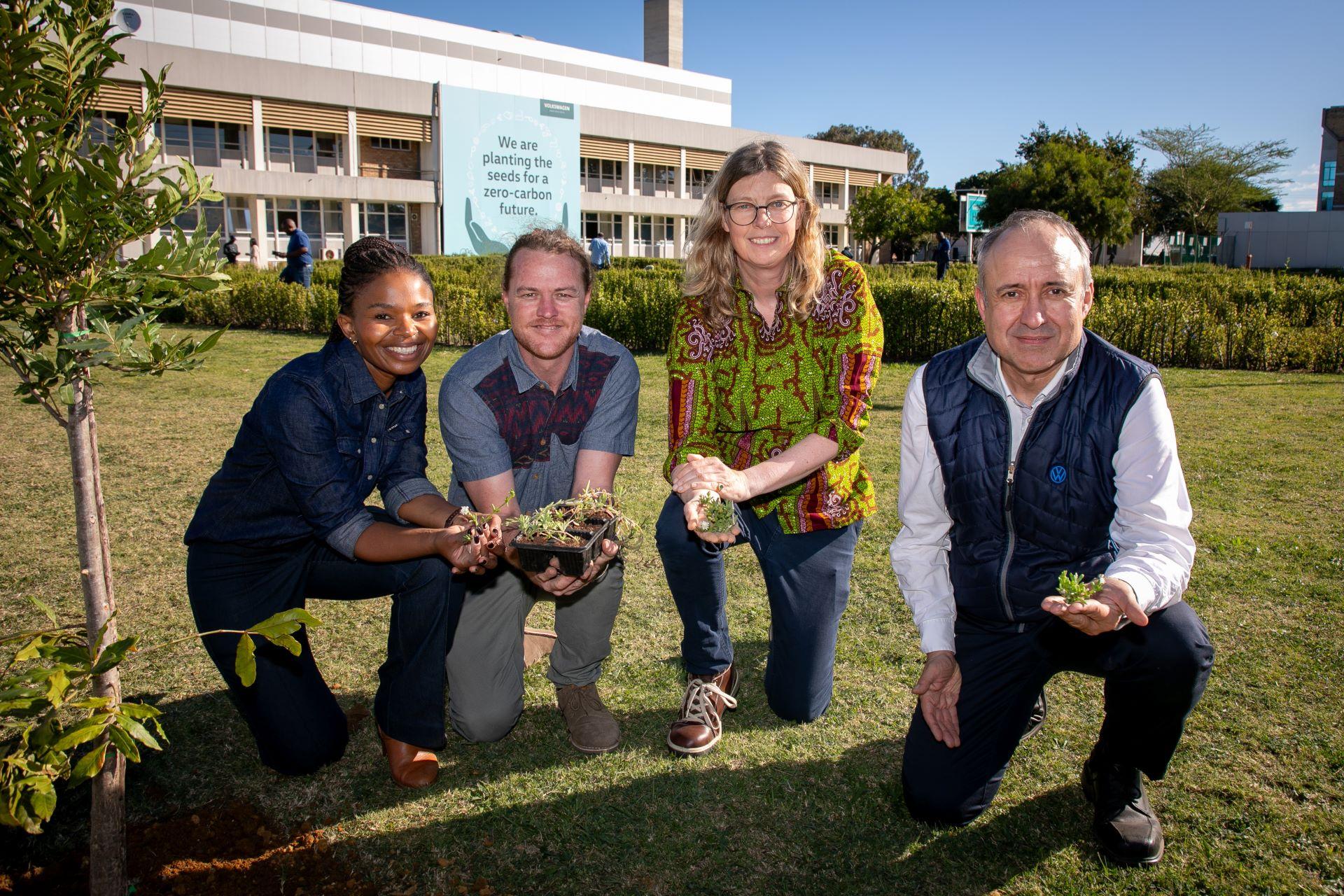
Kariega – June 2025 – In a bold move to protect and enhance South Africa’s natural heritage, Volkswagen Group Africa (VWGA) has taken a meaningful step toward ecological preservation. On Friday, 30 May 2025, the company commemorated International Biodiversity Day by planting over 1,500 indigenous trees, succulents, and bulbs at its Kariega manufacturing facility.
This large-scale tree-planting initiative marks the official launch of VWGA’s new biodiversity strategy—an ambitious programme focused on the conservation and restoration of rare and critically endangered plant species that exist within the bounds of the Kariega Plant.
A Green Legacy in the Making
More than just a symbolic gesture, the planting of trees and indigenous flora forms part of a broader sustainability vision for the automaker. Among the species newly introduced to the plant’s landscape are the White Milkwood, Wild Plum, Cross Berry, and Cape Ash—trees that not only provide ecological benefits, but are also vital for restoring balance to the local habitat.
“This is about more than just planting trees,” said Martina Biene, Chairperson and Managing Director of VWGA. “It’s about acknowledging the unique biodiversity we are privileged to host and taking meaningful action to protect it. Our employees’ involvement across different locations at Plant Kariega speaks volumes about our shared values and our commitment to sustainability.”
The efforts align with the development of a dedicated Arboretum—a curated collection of indigenous trees intended to serve as both a biodiversity reserve and a space for learning and reflection on the importance of ecological preservation.
A Rare and Urgent Mission
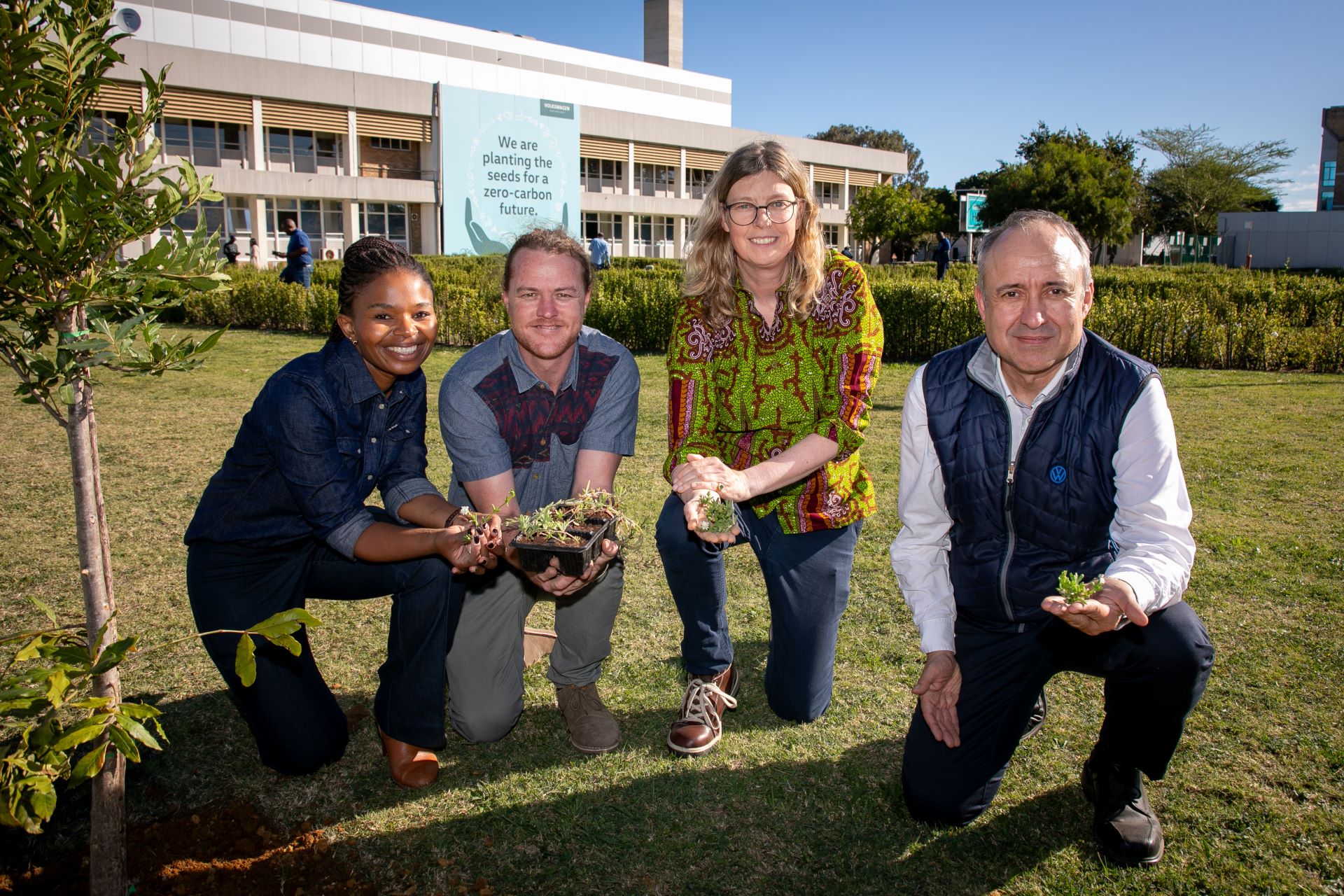
Volkswagen’s Kariega Plant is not only a hub of automotive excellence but also an unexpected refuge for botanical rarity. A recent species assessment commissioned by VWGA in 2024 and led by Principal Ecologist Luc Strydom of Coastal and Environmental Services revealed the presence of three plant species that are either threatened or possibly extinct in the wild.
- Delosperma hollandii, found near the VWGA Test Track and Component Plant
- Trichodiadema stayneri, also identified within the Test Track area
- Tritonia dubia, located at the Production Development facility
“These species are possibly extinct due to habitat loss caused by urban and industrial development,” said Strydom. “Their discovery on VWGA premises is both significant and urgent. They need to be protected to safeguard biodiversity and maintain healthy ecosystems. I am equally pleased to witness the company’s commitment to biodiversity.”
Rooted in Responsibility
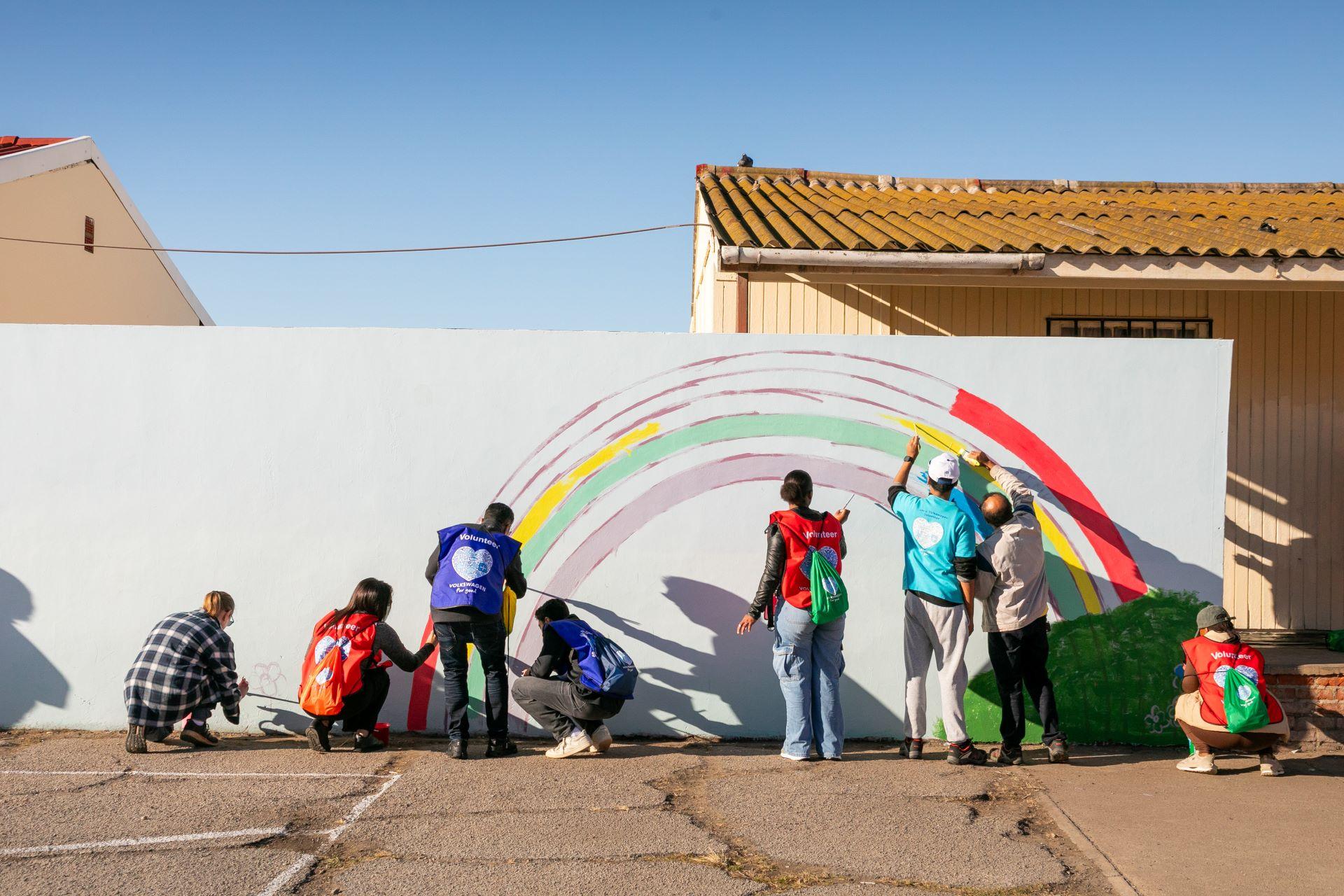
The event also served as a call to action for employees, who joined hands to dig, plant, and nurture over 1,500 indigenous specimens—highlighting that the preservation of biodiversity is not the responsibility of specialists alone, but a shared mission that starts from within the organisation.
“The tree-planting event is particularly significant this year as it marks the launch of VWGA’s biodiversity strategy,” said Ntsapokazi Ningiza, Environmental Sustainability Manager at VWGA. “This strategy encompasses the preservation and restoration of rare and critically endangered species that are found on our property.”
A Model for Industry and Community
As global climate and biodiversity crises deepen, VWGA’s initiative stands as a model of how corporations can play an active role in local environmental stewardship. From restoring habitat to empowering employees, Plant Kariega’s biodiversity programme is sowing the seeds for a more sustainable future—one tree at a time.
Through this initiative, Volkswagen Group Africa affirms its commitment not only to manufacturing excellence, but also to nurturing the delicate ecosystems that surround and support its operations.