




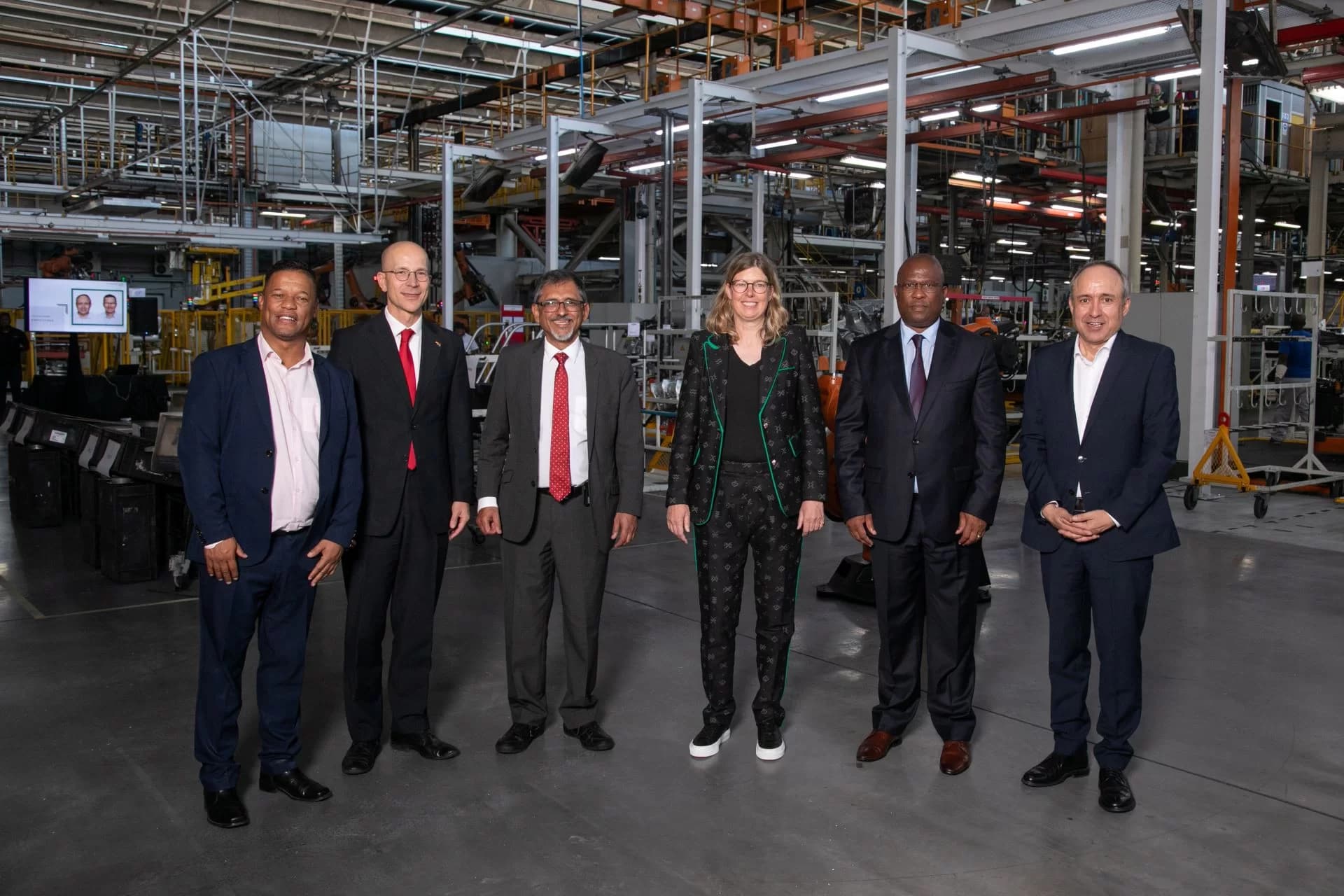
Volkswagen Group Africa has declared a significant R4 billion investment in its Kariega manufacturing facility, marking a strategic expansion of its production capabilities. This substantial investment aims to enhance the plant’s infrastructure in readiness for a new SUV model set to join its production line in 2027.
The lion’s share of the investment will focus on capital improvements across production facilities, manufacturing and local content tooling, as well as quality assurance processes. A considerable portion, nearly R877 million, will be allocated to increase automation in the Body Shop, while the Press Shop will see an investment of around R418 million for new press tooling. The upgrade’s initial phase is scheduled to commence by the end of 2024 during a planned plant shutdown.
Martina Biene, Chairperson and Managing Director of Volkswagen Group Africa, emphasized the investment’s role in reinforcing Volkswagen’s long-standing commitment to South Africa, a country where it has been producing vehicles for nearly 73 years. “This investment not only demonstrates our confidence in the Kariega plant’s future but also ensures the preservation and creation of jobs, extending its benefits to our local supplier network,” Biene stated.
The introduction of the third model, an SUV, will see it being produced alongside the Polo and Polo Vivo, which are currently Volkswagen’s top-selling passenger vehicles in South Africa. This expansion also opens up significant training and upskilling opportunities for the plant’s employees.
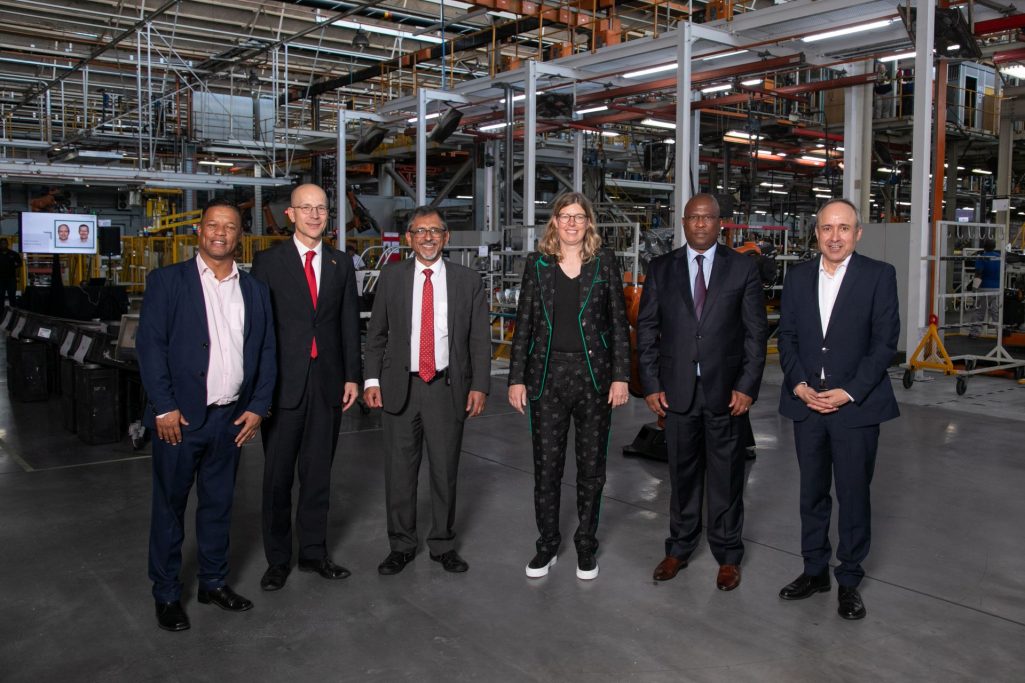
Volkswagen remains committed to increasing local content in its vehicles. The Polo and Polo Vivo currently boast local content levels of 46% and 58%, respectively, with the upcoming model projected to achieve around 40% local content, supported by an additional R1.2 billion investment.
The design and development of the new SUV are being led by Volkswagen Brazil, with the Volkswagen Group Africa Engineering team collaborating to tailor the vehicle to meet local and continental specifications, including the adaptation for right-hand drive.
Highlighting South Africa’s pivotal role in Volkswagen’s African strategy, Biene added, “Renaming our local operation to Volkswagen Group Africa reflects our strategic intent to expand our footprint across the continent, recognized as the last frontier in automotive development.”
In her closing remarks, Biene touched on the global shift towards electric vehicles (EVs), noting that while most markets are transitioning to EVs, South Africa and other African markets will continue to focus on internal combustion engines (ICEs) in the near term due to ongoing demand. However, Volkswagen is not overlooking the shift to electrification, as evidenced by the launch of the ID.4 test fleet in South Africa and Rwanda, marking the beginning of its electrification journey in the region.
Comments
Newest firstLoading comments…