



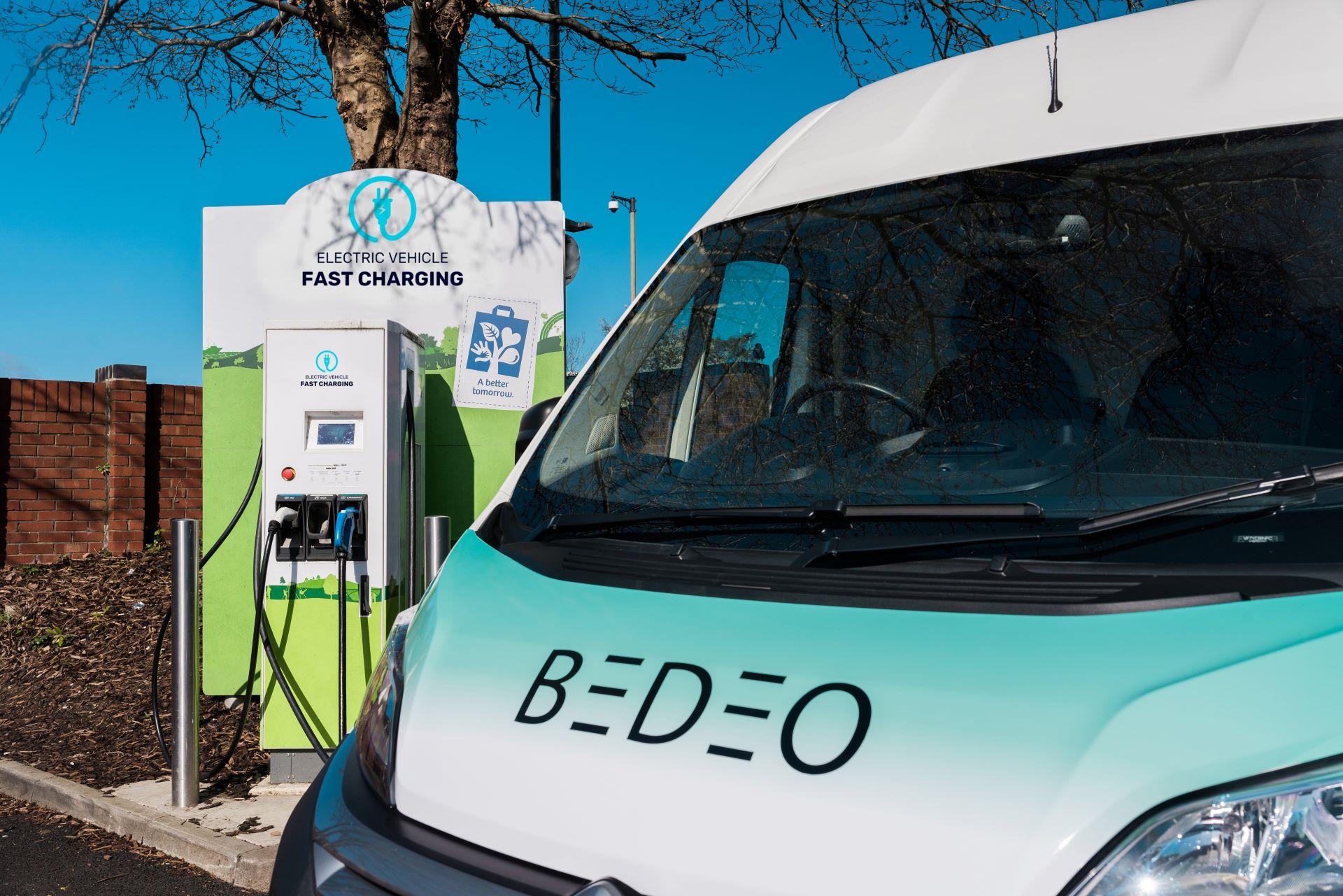
Farnham, 4 September 2025 – Vans have overtaken taxis as the leading source of nitrogen oxides (NOx) in central London, raising fresh concerns about public health and air quality. The finding, revealed by the London Atmospheric Emissions Inventory (LAEI), shows vans emitted 108 tonnes of NOx in 2022 – compared with 78 tonnes from taxis and 60 tonnes from cars.
NOx contributes to nitrogen dioxide (NO₂), a harmful gas linked to asthma attacks and reduced lung growth in children. Despite improvements across London’s transport network, the capital continues to exceed both UK legal limits and the stricter guidelines set by the World Health Organization.
The think tank Clean Cities has called on the Mayor of London to offer full Congestion Charge discounts for electric vans operated by small businesses and charities. Nearly 100 organisations have already petitioned City Hall, urging greater support to help smaller operators transition to cleaner vehicles.
City Hall reports that van emissions in central London fell by 14 per cent between 2019 and 2022, while overall road transport NOx has decreased by 52 per cent since 2016. Taxi emissions, by contrast, have plummeted following widespread fleet electrification, demonstrating that rapid progress is achievable when incentives, infrastructure, and policy align. Yet, according to BEDEO, a UK pioneer in large van electrification and retrofit technology, this progress is insufficient.
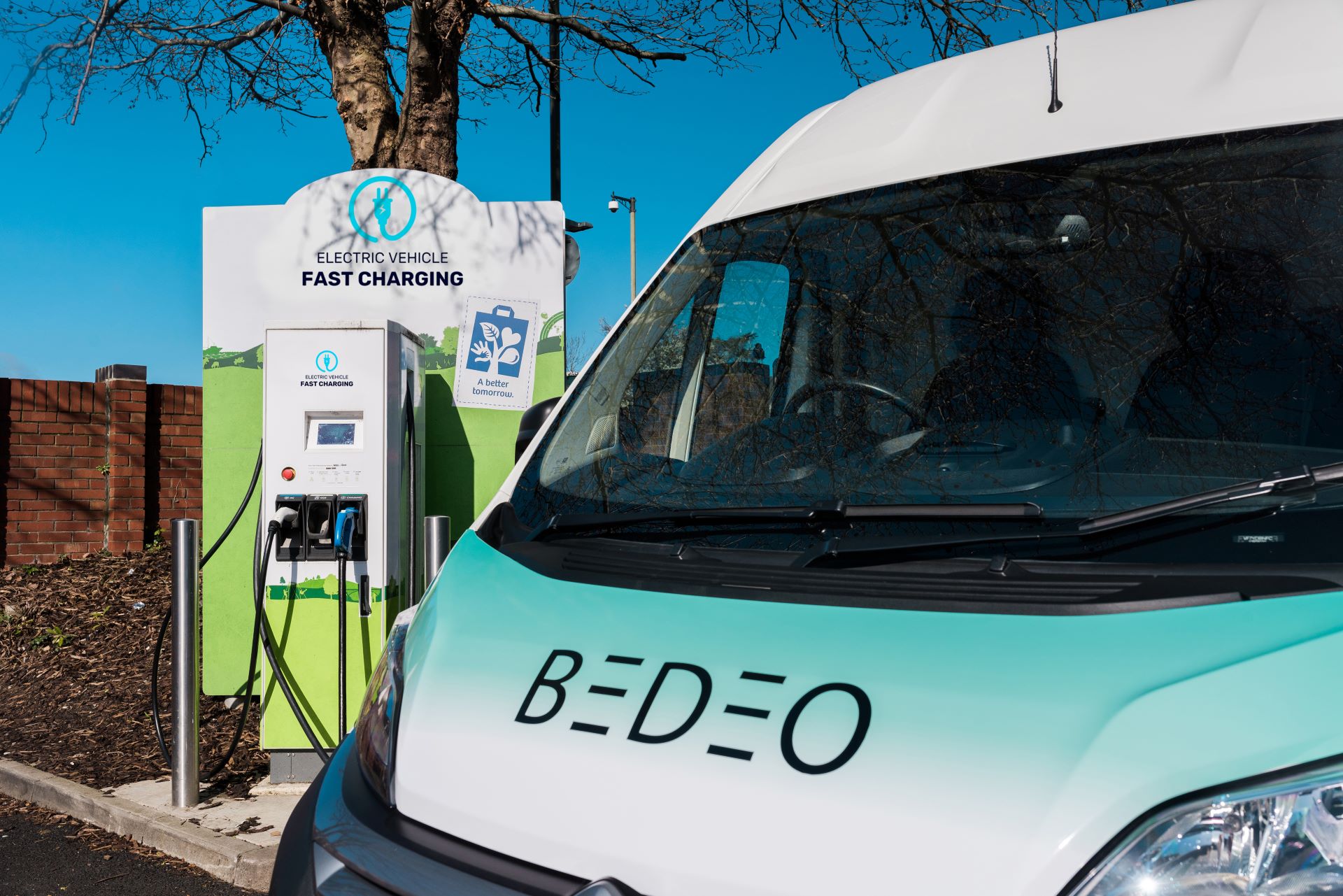
“Vans are essential to London’s economy, but they are now the city’s top source of NOx,” said Osman Boyner, Founder and CEO of BEDEO. “We cannot allow these emissions to undermine public health. Supporting the electrification of vans – including retrofitting existing diesel fleets – is a critical step to cleaner, safer streets. In the era of last-mile deliveries and next-day drop-offs, vans are a lifeline to many; however, they are proving to also be causing life-altering emissions in the short term.”
BEDEO’s retrofit programme, including its RE-100 Range Extender, enables businesses to convert diesel vans into fully electric vehicles. This solution preserves payload capacity and vehicle performance while eliminating tailpipe emissions, offering a cost-effective and rapid route to zero-emission operation without the need to purchase new vehicles. For small businesses and charities, retrofitting provides a practical way to meet environmental targets with existing fleets.
Unless a greater number of operators switch to electric, the LAEI analysis forecasts that vans will remain the largest road contributor to NOx in central London by 2030. BEDEO is calling on businesses, fleet managers, and policymakers to act urgently, protecting public health and accelerating the city’s transition to cleaner air.
The company has previously highlighted to the UK Government that the large van sector risks falling short of the country’s zero-emission vehicle (ZEV) and net-zero targets without immediate intervention. This latest report reinforces the sector’s critical role and the pressing need for action.


