





Sunderland, UK – November 20, 2024: The UK’s ambitious Zero Emission Vehicles (ZEV) Mandate is facing a critical challenge as the country’s automotive sector risks falling short of its 2024 electric vehicle (EV) sales target. Despite manufacturers offering significant discounts to stimulate consumer demand, EV sales are predicted to hit just 18.5% of the total market share—well below the 22% threshold set for the year.
The ZEV Mandate, designed to encourage the transition from petrol and diesel vehicles to EVs, assumed a consistent surge in consumer demand seen in prior years. However, a slowdown in uptake now threatens to impose severe penalties on manufacturers, forcing them to purchase credits from EV-only brands. Since these brands do not manufacture in the UK, the penalty system risks diverting investment overseas—potentially jeopardizing jobs and the future of UK automotive manufacturing.
Nissan Calls for Immediate Government Intervention
Nissan, the UK’s largest carmaker, has issued a stark warning, urging the Government to implement urgent reforms to the ZEV Mandate. The company, which has been a pioneer in EV innovation since launching the Nissan LEAF in 2010, is investing heavily in its UK operations through its EV36Zero blueprint—a holistic approach to EV and battery manufacturing powered by renewable energy.
Guillaume Cartier, Chairperson for Nissan’s Africa, Middle East, India, Europe, and Oceania (AMIEO) region, outlined the gravity of the situation:
“The Mandate risks undermining the business case for manufacturing cars in the UK, and the viability of thousands of jobs and billions of pounds in investment. We now need to see urgent action from the Government by the end of the year to avoid a potentially irreversible impact on the UK automotive sector.”
Proposed Solutions: A Balanced Approach
To mitigate the immediate threat of penalties, Nissan has proposed the following adjustments to the ZEV Mandate:
- Short-Term Flexibility: Allow manufacturers to borrow credits from future years to meet current targets.
- Two-Year Monitoring Period: Replace 2024–2025 penalties with a transitional phase, enabling companies to adapt their strategies without the financial strain of fines.
These measures would ensure the UK remains on track to meet its 2030 target of 80% EV sales, without the risk of deterring essential investment in innovation, infrastructure, and workforce development.
Sustaining UK’s Leadership in Automotive Manufacturing
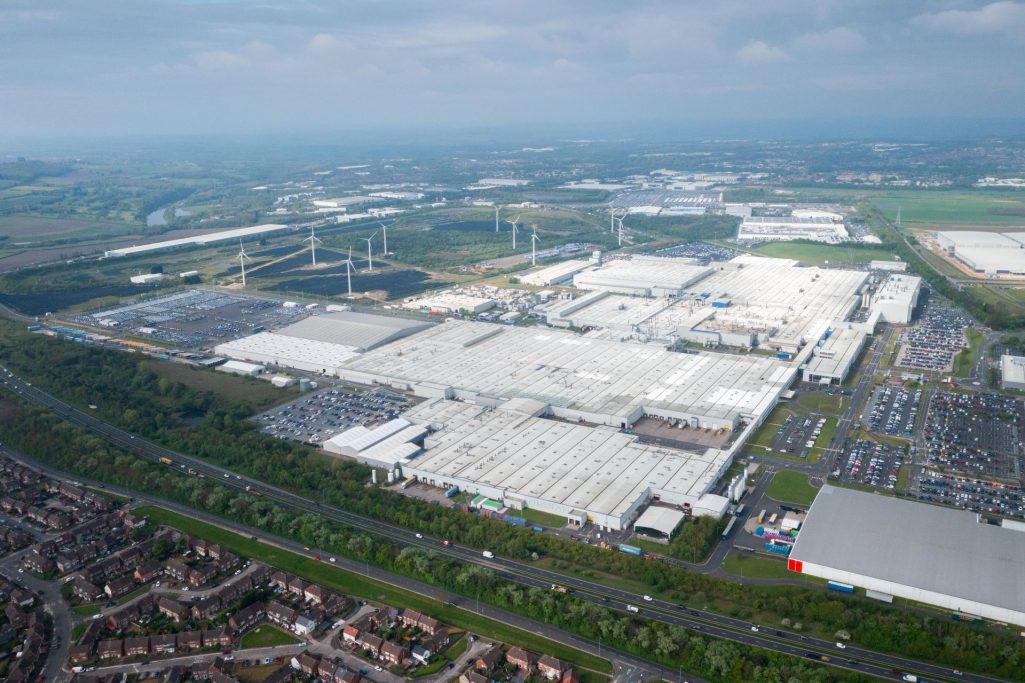
The UK’s automotive industry contributes 12% of the country’s exports and employs hundreds of thousands of people. Nissan alone generates over £2 billion annually for the UK economy, employing 7,000 people at its Sunderland plant and supporting numerous suppliers and partners.
Nissan’s commitment to the UK is evident in its plans for three new EV models to be produced domestically. This is complemented by investments in battery recycling, skills development, and vehicle-to-grid technology to support a sustainable, fully-electric future. However, these efforts are at risk if manufacturers are forced to allocate resources to fines rather than innovation.
Long-Term Considerations: Consumer Incentives and Charging Infrastructure
While addressing immediate ZEV Mandate challenges is critical, Nissan also highlighted the need for broader discussions around enhancing consumer incentives and improving charging infrastructure to accelerate EV adoption.
Cartier concluded:
“We are committed to working with Government and industry partners on a long-term solution, but action is needed urgently to ensure we protect UK car manufacturing and support the transition to zero emissions and carbon neutrality.”
A Critical Juncture for UK Automotive
As the UK Government’s Industrial Strategy emphasises, the automotive sector is a cornerstone of the nation’s economic growth. Yet, without immediate reforms to the ZEV Mandate, the industry faces penalties that could undermine its global competitiveness. Nissan’s call for pragmatic, cost-neutral changes presents a viable pathway to safeguarding UK manufacturing, protecting jobs, and maintaining momentum toward a sustainable automotive future.
The clock is ticking for the Government to act—ensuring that the UK’s automotive sector can thrive amidst the evolving demands of a zero-emission future.
Comments
Newest firstLoading comments…