



30 June 2025 – South Africa – In the complex ecosystem of road freight transport, much attention is devoted to driver fatigue, reckless road behaviour, and vehicle overloads—rightly so. But a perilous issue often slips under the radar: truck fires. These catastrophic events not only pose severe risks to human life but also result in extensive damage to cargo, vehicles, and surrounding infrastructure.
In the United States alone, an estimated 7,000 truck fires occur annually. The frequency and intensity of these fires underscore a significant blind spot in global road safety strategies. Locally, this concern is echoed by Eugene Herbert, CEO of MasterDrive, who warns that:
“Most often, these fires are caused by fluid leaks, overheated brakes or wheel bearings, and damage to the exhaust system.”
Beyond the tangible costs to fleets—lost vehicles, spoiled goods, and potential legal implications—the greatest tragedy lies in the human cost. Drivers are placed in immense danger, often with little warning or time to react.
Fires That Escalate in Seconds
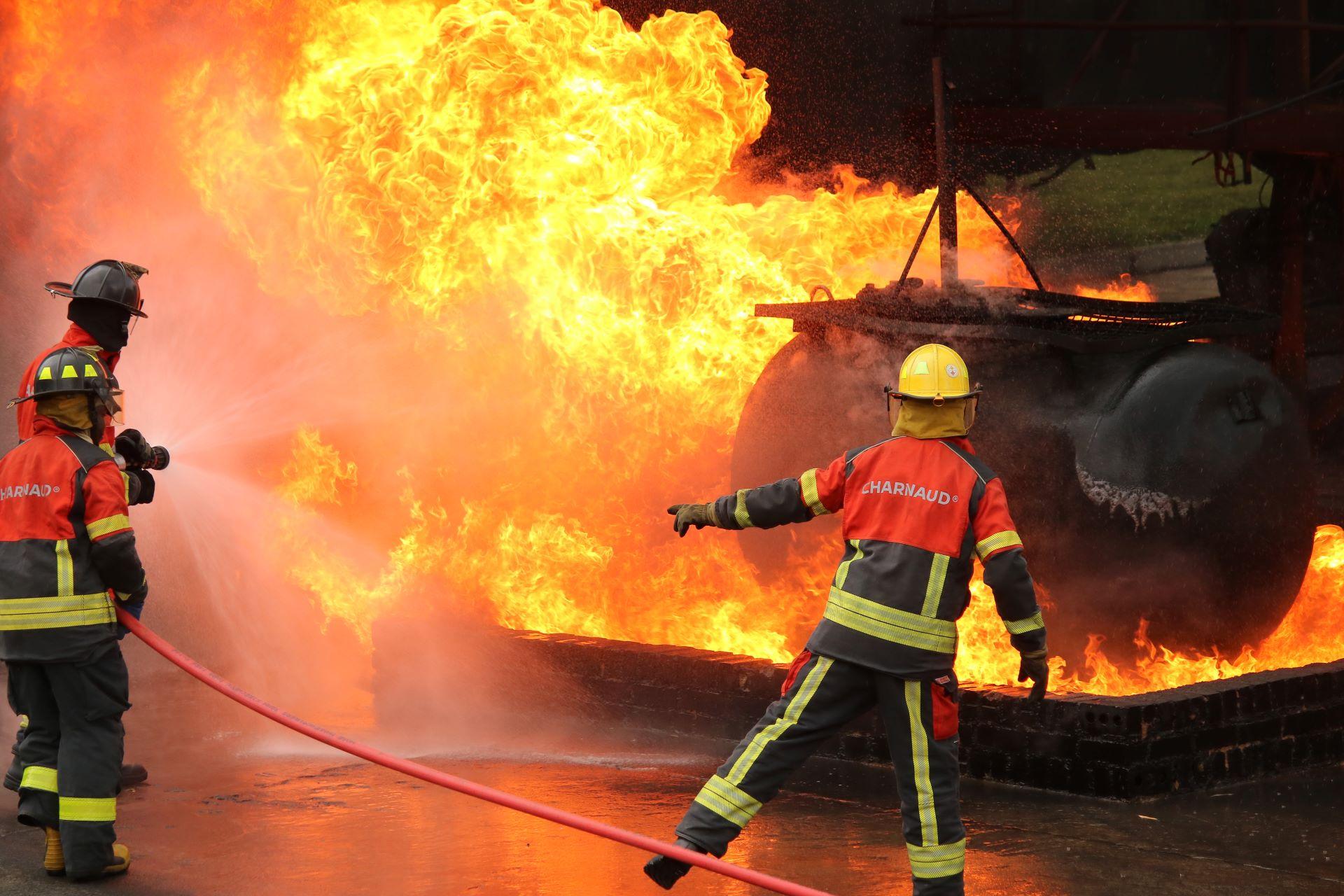
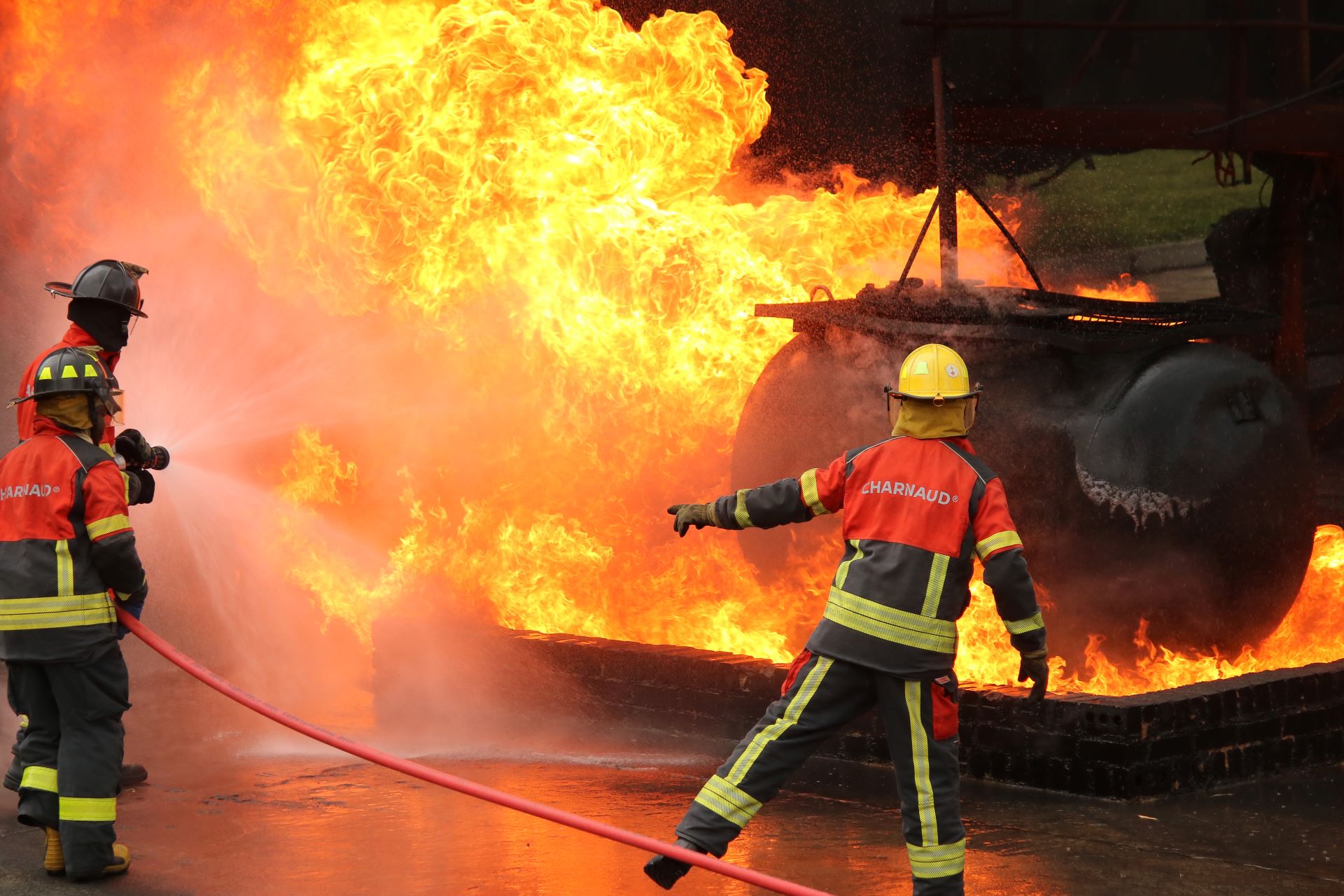
At a recent truck fire simulation hosted by RNS Occupational Health and Safety, attendees witnessed just how quickly a minor incident can spiral into a full-blown emergency. Using tankers, tyres, and various cargo materials, the demonstration replicated real-world scenarios where fires begin inconspicuously but escalate with terrifying speed.
Bobby Shemmans, CEO of RNS Occupational Health and Safety, explains:
“It is important to note that these fires often start off small but end up becoming uncontrollable. A fire needs three elements to sustain its growth: heat, air and a fuel source. As trucks often carry goods that are flammable, these vehicles are a breeding ground for flames.”
The demonstration illustrated this perfectly. A single overheated wheel bearing or leaking fuel line can create just enough heat to ignite a flame. And with flammable materials onboard, the conditions for a fire to spread are ideal.
Interestingly, the session also explored the science behind how certain materials exacerbate or slow the spread of fires. For instance, while tyres ignite easily due to their rounded shape that retains heat, similarly composed flat pallets do not. This insight highlights the critical importance of selecting materials that reduce fire risk where possible.
Prevention Is Better Than Catastrophe
Given the magnitude of this threat, both fleet operators and drivers must be proactive in mitigating risk. Herbert advocates for a strategic approach to fire prevention, grounded in both education and practical preparation.
Key steps to reduce the risk of truck fires include:
- Early Detection: The most effective way to manage fires is to prevent them from escalating. If heat is detected, act immediately to cool or eliminate the source.
- Vehicle Maintenance: Regular inspections, especially of brakes, bearings, exhaust systems and fluid lines, can stop a fire before it starts.
- Appropriate Fire Extinguishers: Equip every truck with a fire extinguisher suitable for the type of cargo onboard. It must be easily accessible and regularly inspected.
- Emergency Protocols: Train drivers to follow clear procedures, including evacuation routes, emergency numbers, and safe distancing practices for other motorists.
- Fire Awareness Training: Simulations like those conducted by RNS are essential to embed knowledge and sharpen response instincts.
A Call to Action for the Transport Industry
The stakes could not be higher. As Herbert succinctly puts it:
“Equipping drivers with the know-how on truck fires can save their life and limit the loss the organisation faces as well.”
Education and preparedness are the frontline defence against a hazard that is both sudden and deadly. It’s time for the transport industry to widen its lens on road safety and give truck fire prevention the focus it urgently deserves.
Because in the fight against fire, ignorance isn’t just costly—it’s lethal.


