



As the UK automotive industry enters what is being hailed as its “green growth decade,” more than 700 new apprenticeships are set to be created in 2025. This is part of a significant push by top automotive employers, bolstered by over £20 billion in investment for the country’s electric vehicle (EV) transition, aiming to build a future-ready workforce for the booming green economy.
National Apprenticeship Week 2025, running from February 10-16, serves as the perfect backdrop for these exciting new opportunities, which come at a time when the automotive sector is rapidly transforming to meet the demands of a zero-emission future. The growth of this sector is reflected in an anticipated 16% increase in apprenticeship numbers, with over 740 roles currently available. In fact, with more than 550 apprentices already onboard this academic year, the momentum for green jobs in automotive is gaining speed.
This surge in demand for skilled talent is a direct result of the UK’s ambitious EV transition. Over the past two years, investments in electric vehicles have not only accelerated innovation but have also created new and evolving roles within the industry. Design engineers, EV technicians, and specialists in batteries and vehicle software are just a few of the highly sought-after positions as manufacturers adapt to electrification and sustainable vehicle technologies. As of now, more than 180 different zero-emission vehicle models, including cars, vans, trucks, and buses, are already available in the UK, with more to join the market in 2025.
With this transformation comes the need for a highly skilled workforce capable of driving the green revolution forward. From R&D and manufacturing to the maintenance and repair of EVs, apprenticeships are central to ensuring the sector has the capabilities to keep pace with technological advances. As the industry evolves, the demand for apprenticeship training that incorporates the very latest in vehicle technology – from design and construction to testing and repair – has never been greater.
Mike Hawes, Chief Executive of the Society of Motor Manufacturers and Traders (SMMT), emphasized the importance of nurturing homegrown talent: “Britain’s automotive sector is on the cusp of a ‘green growth decade’ with billions being invested in EVs and, crucially, in a new generation of talent to design, build, and maintain them. There is little doubt that automotive is one of the world’s most exciting industries and, as we seek growth, we need new-skilled apprentices that can grow with us. Our promise is well-paid, rewarding careers for years to come.”
To support this talent pipeline, new initiatives such as Skills England and the Growth & Skills Levy are stepping in to provide essential training resources. The aim is to ensure that businesses of all sizes – from large manufacturers to smaller enterprises – can access and deliver the upskilling necessary to build a workforce equipped for the challenges of the green economy.
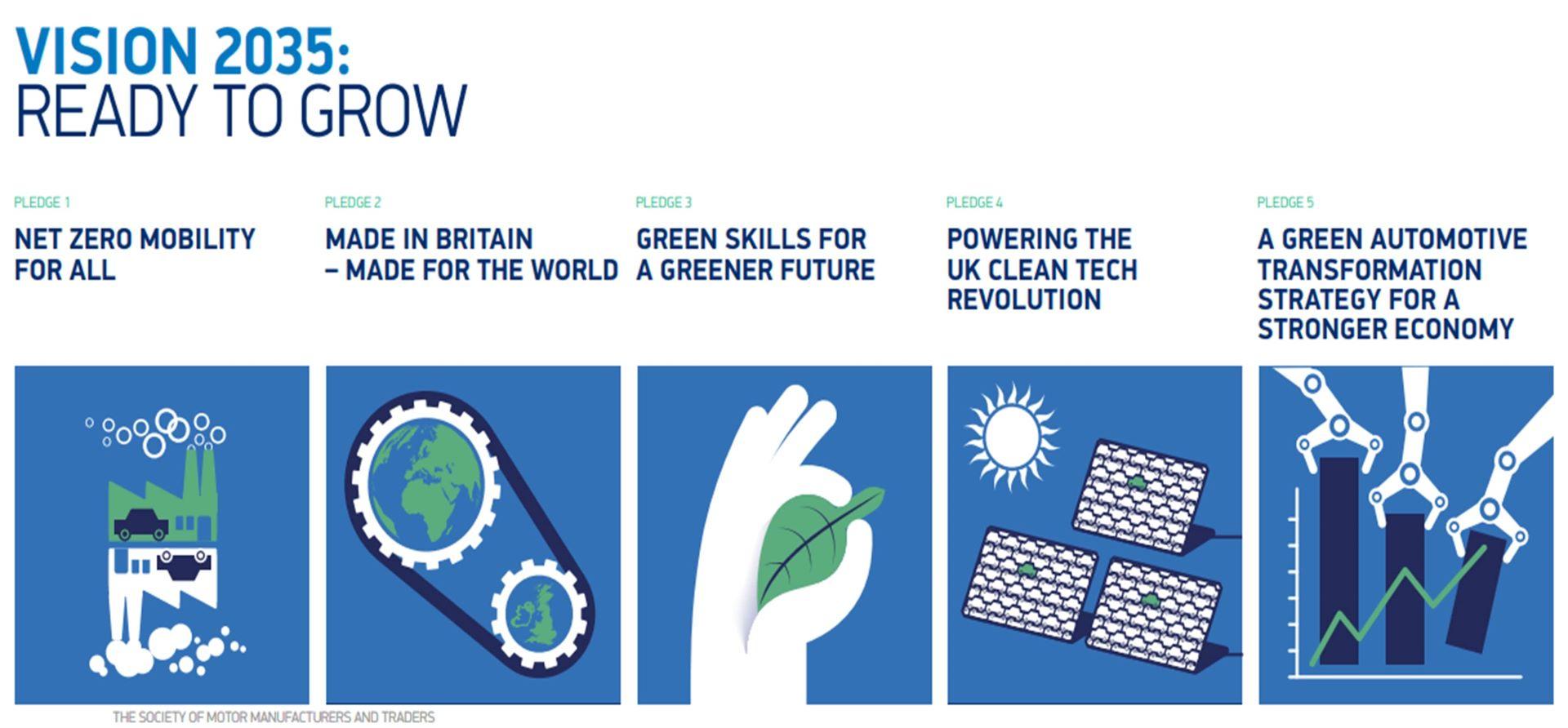
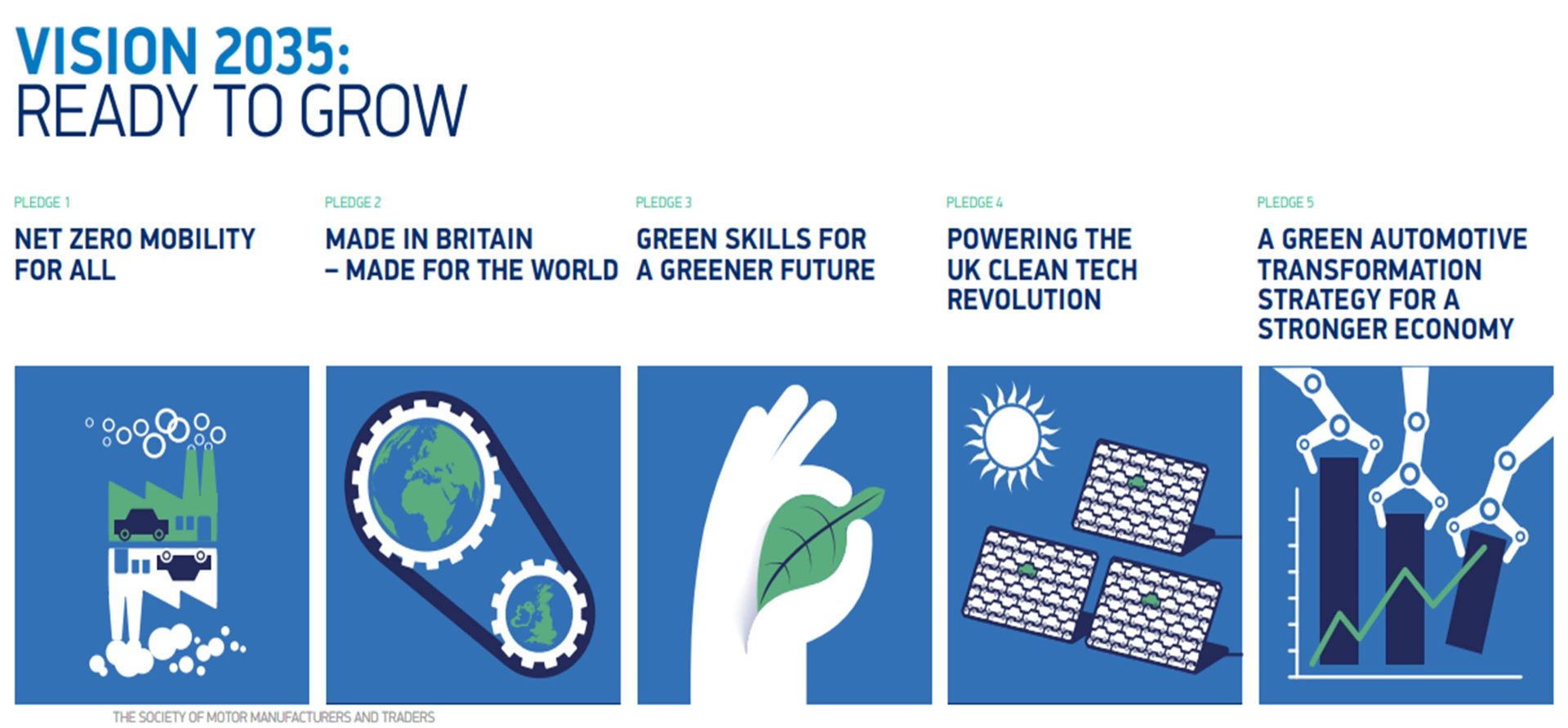
The UK automotive sector is positioning itself to deliver more than £50 billion in green growth over the next decade, with sustainable talent development forming a key pillar of this strategy. Vision 2035, as outlined by SMMT, places a strong emphasis on green skills and workforce development as essential drivers of this growth. The strategy focuses on:
- Developing Future Talent: Ensuring that the next generation of workers is ready to contribute to the green transition while supporting the upskilling of the existing workforce.
- Raising the Profile of STEM: Promoting science, technology, engineering, and mathematics (STEM) careers, and automotive and manufacturing roles in Further Education to encourage more young people to enter the industry.
- Upskilling Platforms: Providing accessible, online National Upskilling Platforms to help automotive businesses stay informed and take part in ongoing workforce development.
- Reforming the Apprenticeship Levy: Offering targeted training to current employees, especially those transitioning to EV-related roles, by supporting short-term training programs in areas like electrification and digital skills.
As the UK strives for a more sustainable and innovative future, the automotive sector stands as a central player in the nation’s green agenda. The expansion of apprenticeships is not just about meeting the immediate demand for skills; it is an investment in long-term, high-quality careers. For those seeking a rewarding career path in a rapidly changing industry, the automotive sector offers unmatched opportunities.
Whether in design, engineering, or cutting-edge EV technologies, apprenticeships in the automotive sector promise a prosperous future for those ready to take on the challenge of shaping a greener tomorrow.


