



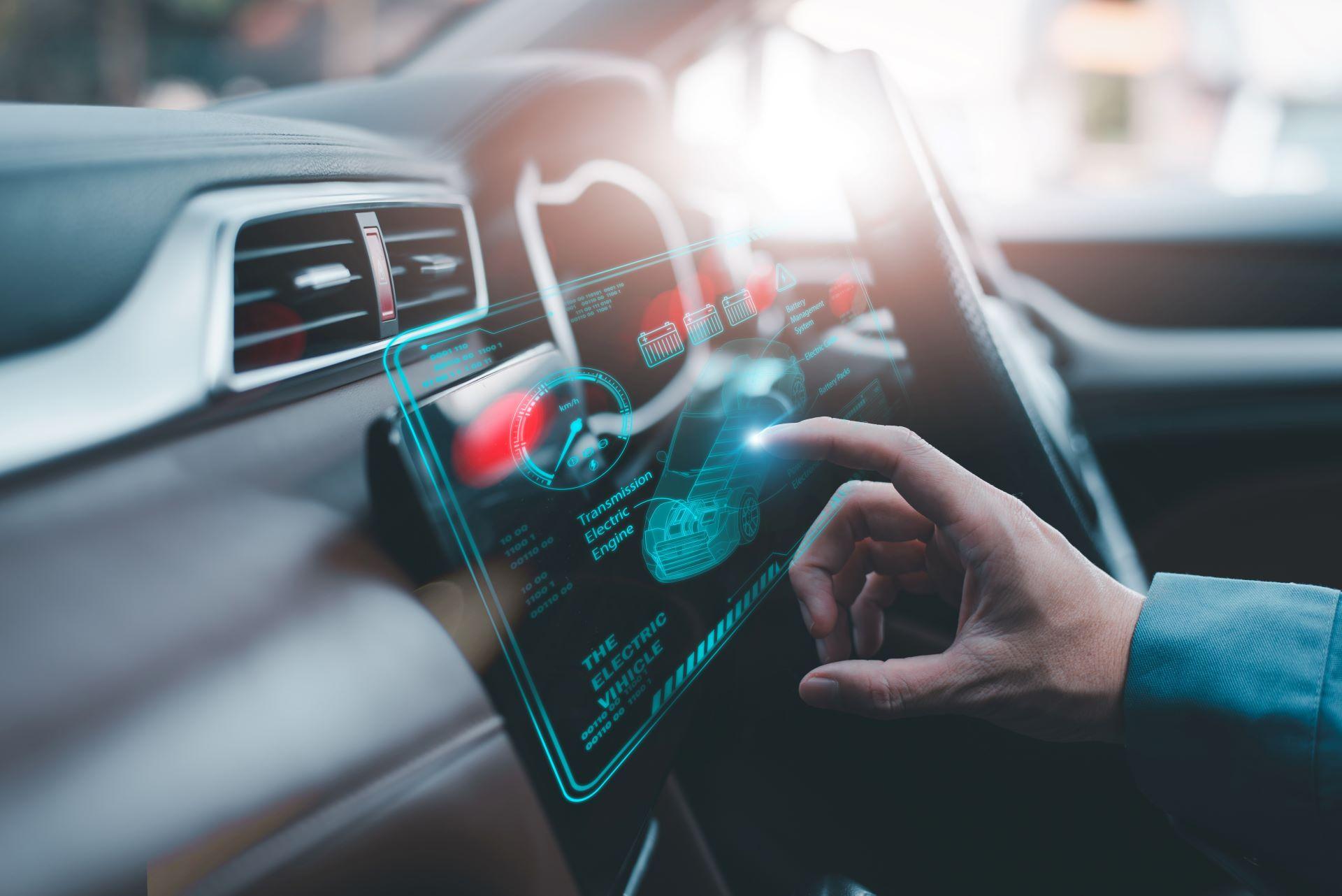
A landmark new study has revealed that the future of connected car services hinges on a key convenience feature: in-car payments. According to the 2025 In-Car Payments User Experience Report, conducted by Drive Research and backed by mobility leaders Parkopedia and Valtech Mobility, drivers in the United States and Germany not only crave this functionality, but are also willing to pay for it — provided the user experience is seamless.
The study is the first of its kind to explore the entire user journey of in-car payment systems, with participants completing tasks on two different platforms: a current in-production OEM system and an updated prototype co-developed by Parkopedia and Valtech Mobility. The findings were clear: ease-of-use can make or break adoption.
A Feature Drivers Are Willing to Pay For
In-car payment functionality has moved well beyond novelty and into necessity. Every single US driver and 93% of German motorists surveyed agreed that an intuitive, easy-to-use in-car payment system would enhance their driving experience. What’s more, 70% of US drivers and 67% of Germans stated they would pay more upfront for a vehicle equipped with this capability.
Such insights reveal a major opportunity for OEMs to not only improve customer satisfaction but also increase revenue through value-added features. The report shows that in-car payment functionality isn’t just a tech perk — it’s a differentiator.
Streamlined UX Drives Adoption
A major theme emerging from the study is the importance of simplicity. Participants overwhelmingly favoured the updated Parkopedia-Valtech Mobility system (System B), which featured streamlined enrollment, intuitive prompts, and frictionless payment processes. In fact, over 90% of US and German drivers said they were more likely to use this updated version compared to the standard OEM system.
More than just preference, the findings indicated that poor UX can actively deter usage. A staggering 90% of US participants described the current industry-standard registration process as “complex,” while 77% of German and 70% of American drivers admitted that a convoluted sign-up journey would discourage them from even getting started.
Connected Convenience at the Core
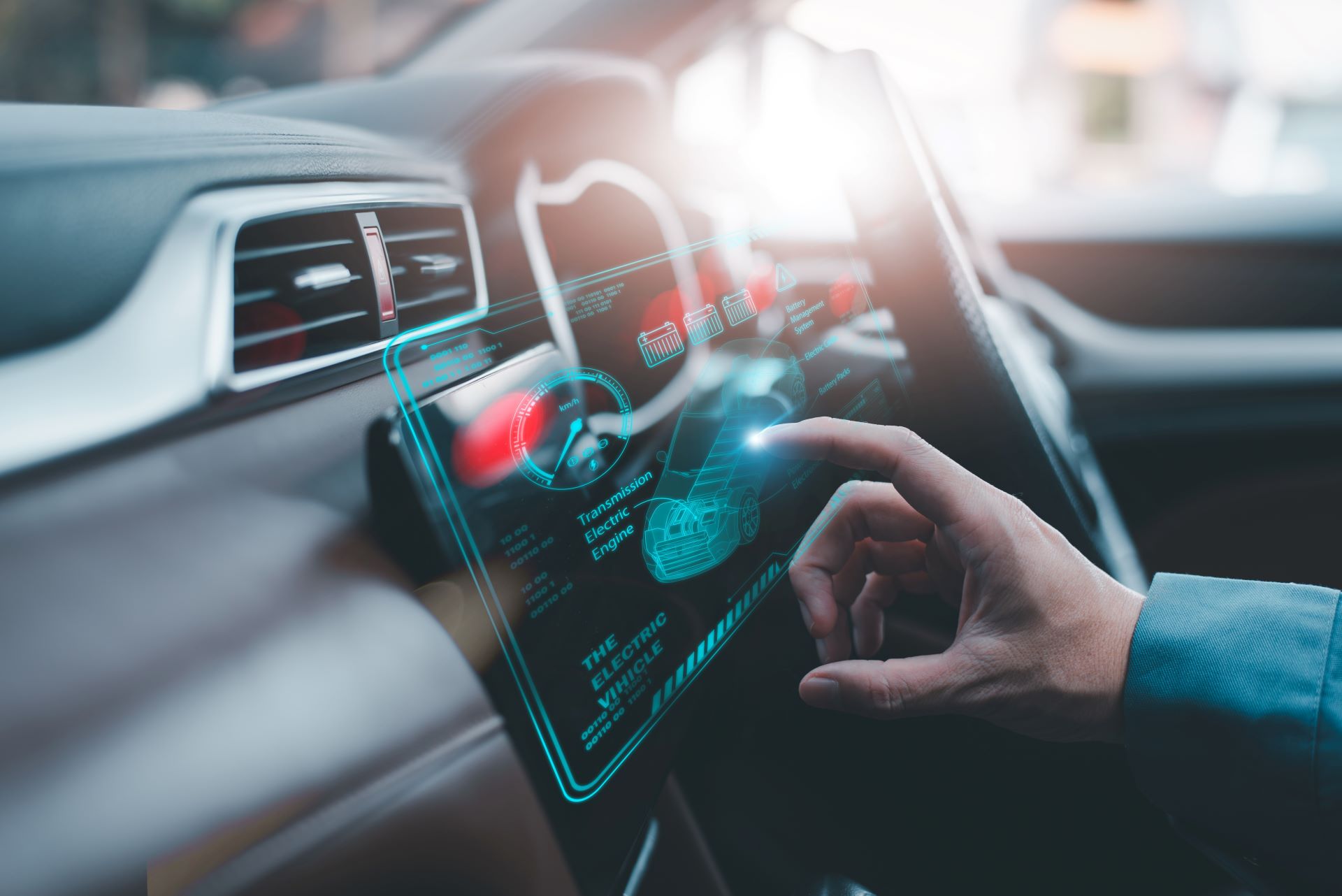
Modern drivers want more than just a payment button. They want integrated, intelligent systems that adapt to their environment and provide real-time prompts when payments are possible — whether for parking, EV charging, tolls, or fuel.
In fact, 93% of German and 87% of US drivers valued being notified via their infotainment system when in-car payments were available nearby. 80% of US respondents said they would feel frustrated if their vehicle failed to flag such opportunities.
Additionally, nearly all participants preferred an all-in-one solution that removes the need for mobile devices, with 97% stating they’d rather have access to multiple connected services via a single in-car platform.
In-Car Payments: A Brand-Defining Experience
The implications for carmakers are significant. In-car payment UX is becoming a key factor in brand perception and even purchase decisions. 97% of US participants said their opinion of a brand would improve if it offered smart, well-integrated in-car payments. Even more striking, 87% reported they would be more likely to purchase another vehicle from the same brand in future if their experience with in-car payments was positive.
Conversely, poorly implemented systems risk doing the opposite. 87% of US drivers and 63% of Germans said they’d be deterred from using in-car payments if the feature required excessive screen navigation or menu layers.
A Changing Landscape, Driven by Electrification
Commenting on the report, Adam Calland, Global Marketing Director at Parkopedia, noted the strategic importance of in-car payments in the broader shift towards electrification:
“The demand for connected car services continues to rise rapidly around the world, and this research shows that in-car payment functionality in particular is now becoming a must-have feature for motorists who highly value convenience and are willing to pay for this.”
Calland added that as EV adoption grows, the ability to integrate payments for services like charging directly within the vehicle becomes not just helpful but critical. The key lies in making such features intuitive, visible, and user-friendly.
A Call to Action for OEMs
This report offers a clear message to automotive manufacturers: the market is ready for in-car payments — and willing to pay for them — but only if the experience is seamless. With convenience now a key metric in driver satisfaction, OEMs that get it right stand to gain loyalty, revenue, and brand equity. Those that don’t risk losing ground to more digitally savvy competitors.


