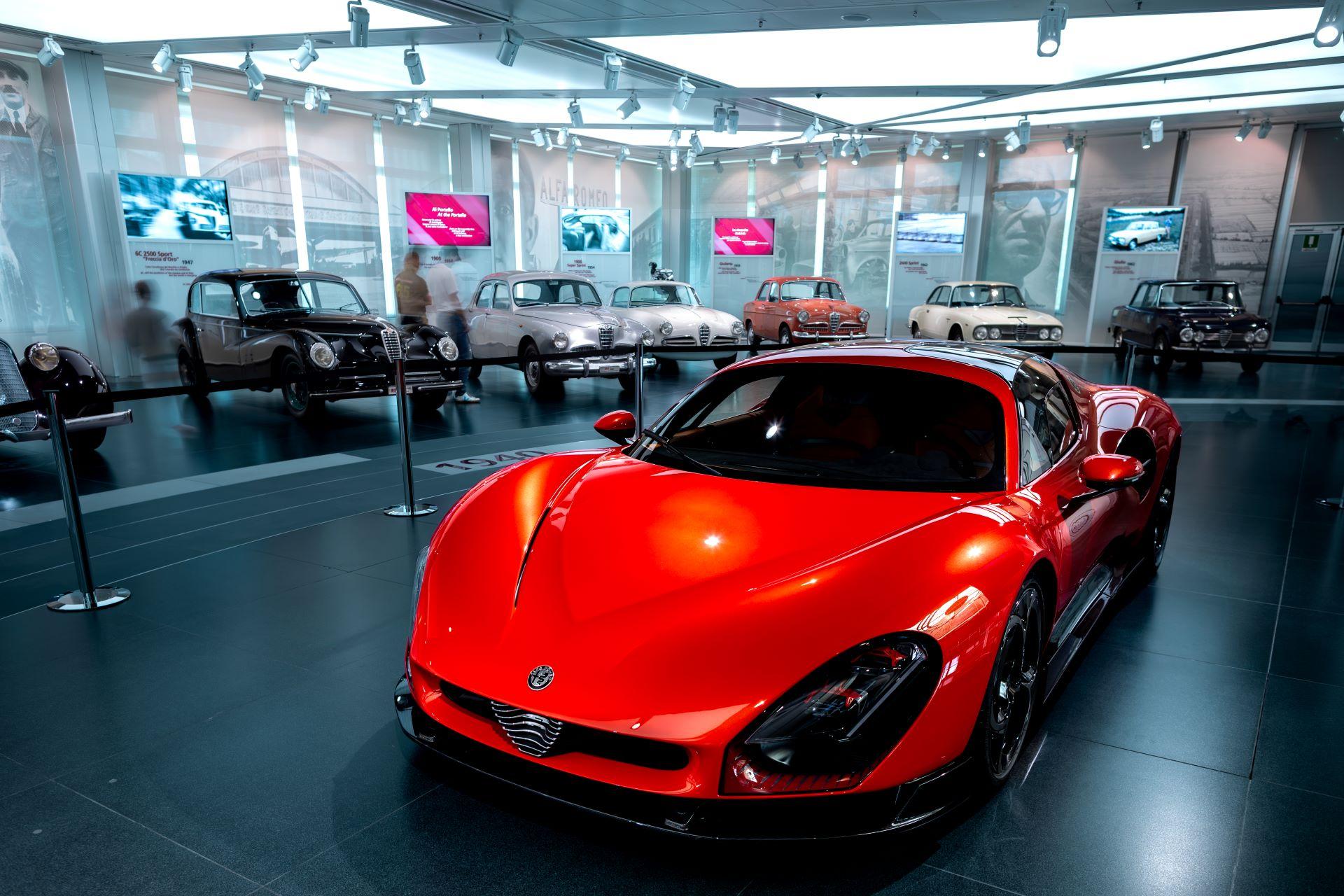



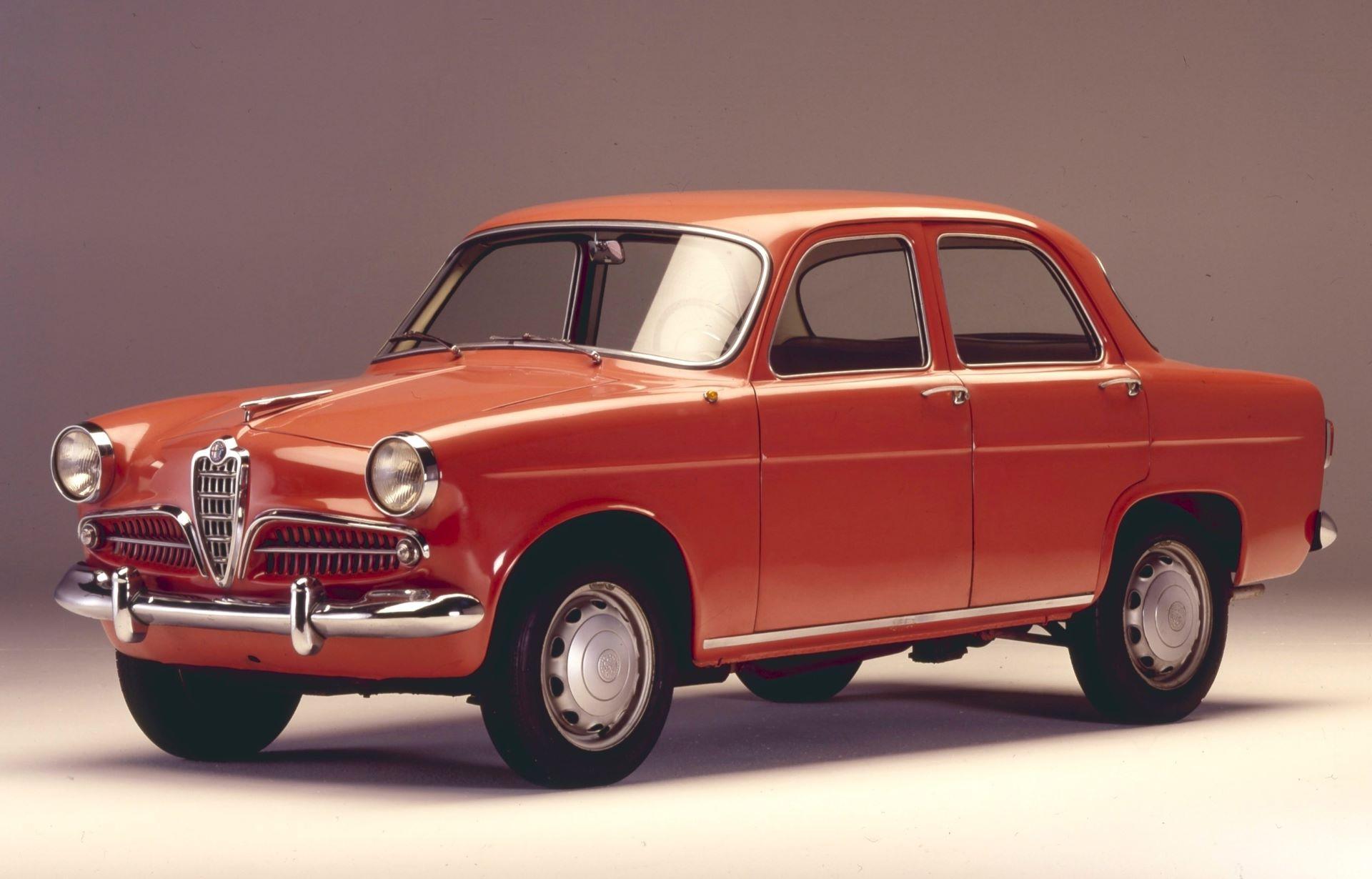
On April 20, 1955, amid the grandeur of the Turin Motor Show, Alfa Romeo unveiled a car that would change the fabric of Italian life and the direction of the automotive world: the Giulietta Berlina. This was not merely the launch of a new model. It was the birth of a movement—an Italian answer to the post-war dream of mobility, style, and modernity. Seventy years on, the Giulietta Berlina is remembered not just as a milestone in Alfa Romeo’s history, but as a pivotal moment in the story of industrial Italy.
Before the Giulietta, Alfa Romeo was a brand of exclusivity and prestige, more likely to be found on a racetrack or gracing the driveway of the well-heeled than in the average Italian garage. But in the early 1950s, fresh off back-to-back Formula 1 championships with the Alfetta, Alfa Romeo was poised to democratise its DNA. What began with the 1900 found its full expression in the Giulietta—a car that offered race-bred engineering to everyday drivers.
The Giulietta Berlina arrived with a clear mission: bring high performance and exquisite Italian styling to the emerging middle class. And it delivered. Beneath its refined yet modest silhouette beat the heart of a thoroughbred: a 1290 cc, twin-camshaft aluminum engine—an engineering marvel at the time. It produced 53 horsepower, could hit 140 km/h, and was light, agile, and perfectly balanced thanks to its innovative use of aluminum in the engine, gearbox, and differential.
This was no mere family car—it was a revolution on wheels. It was “the family car that wins races,” as Alfa put it. A saloon that offered track-inspired driving to the masses, without sacrificing practicality. With the Giulietta, Alfa Romeo didn’t just build a car—they created a new category: the premium compact sports saloon.
Technically, the Giulietta was leagues ahead of its contemporaries. With independent suspension front and rear, a steering-column gear shift, and drum brakes forged through a proprietary Alfa casting process, it boasted a sophistication that few rivals could match. Even its manufacturing marked a shift in gears. Under Austrian engineer Rudolf Hruska, Alfa Romeo reimagined its Portello plant for true mass production, boosting output from 50 to 200 units a day. Suddenly, Alfa Romeo was not just a boutique automaker—it was a serious industrial force.
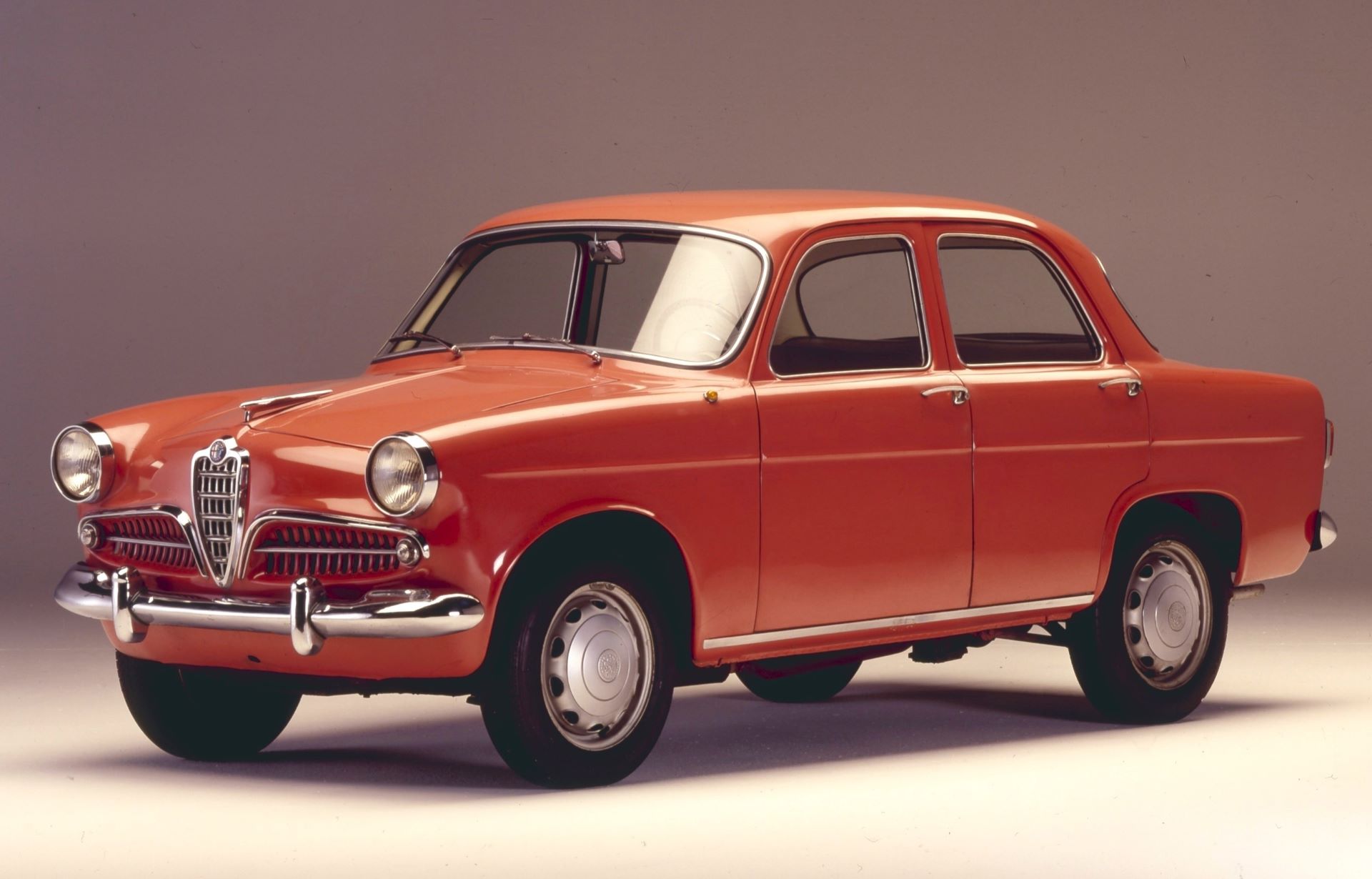
Yet the Giulietta’s impact went far beyond mechanics. It became a cultural icon, interwoven with the spirit of the Italian economic boom. It appeared in films like Opiate ’67, rubbing shoulders with cinematic royalty—Marcello Mastroianni, Sophia Loren, Vittorio Gassman. Its 100,001st unit was commemorated by Giulietta Masina herself, muse to Fellini and symbol of post-war Italian cinema. It graced the first-ever cover of Quattroruote magazine in 1956, cementing its place in the national consciousness.
And the name “Giulietta”? It’s the stuff of legend. One version credits the wife of poet Leonardo Sinisgalli, who suggested it during a conversation. Another speaks of a Russian prince at a 1950 Paris gala, lamenting that there were “eight Romeos but not a single Juliet” among Alfa’s executives. Either way, the name stuck—and became immortal.
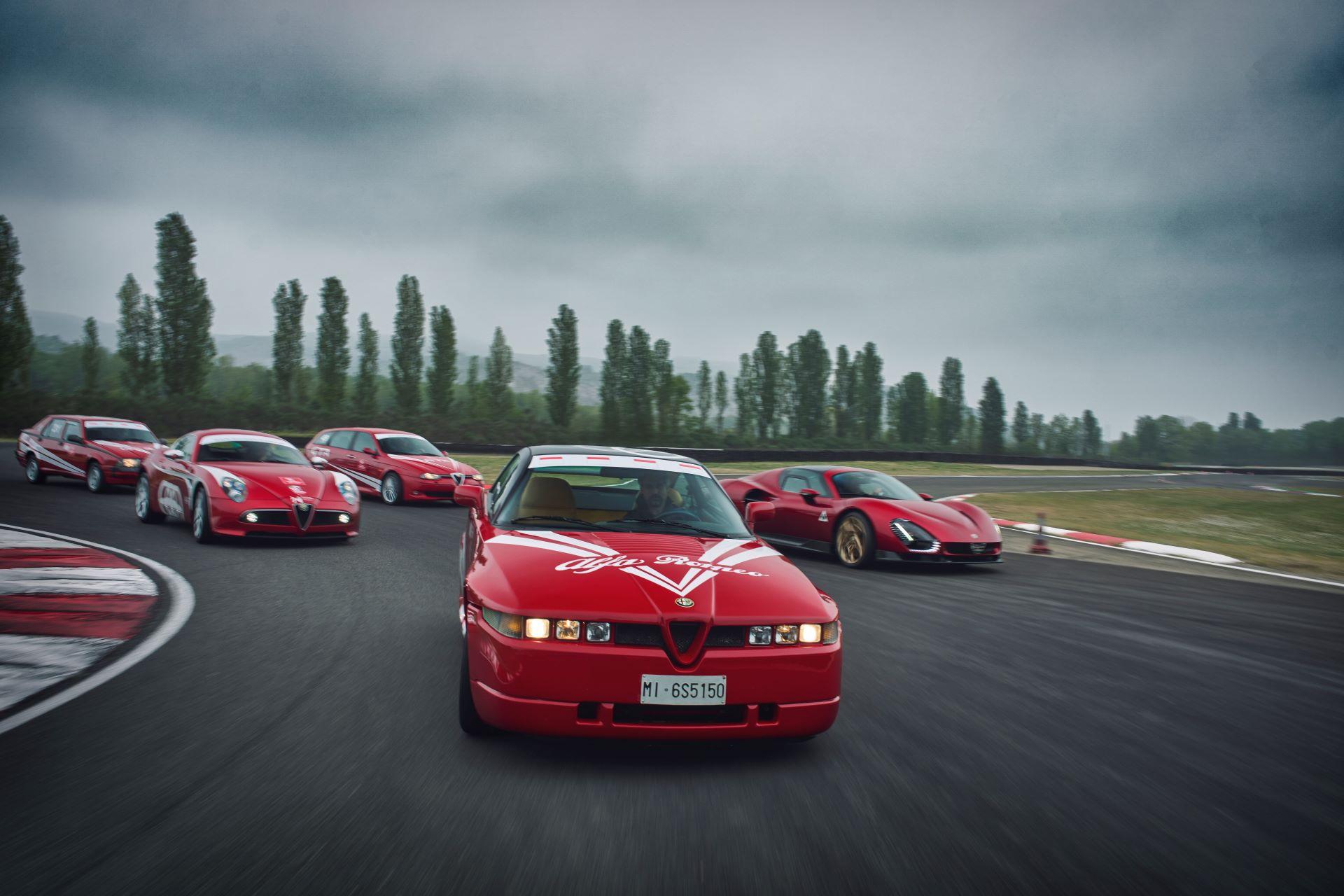
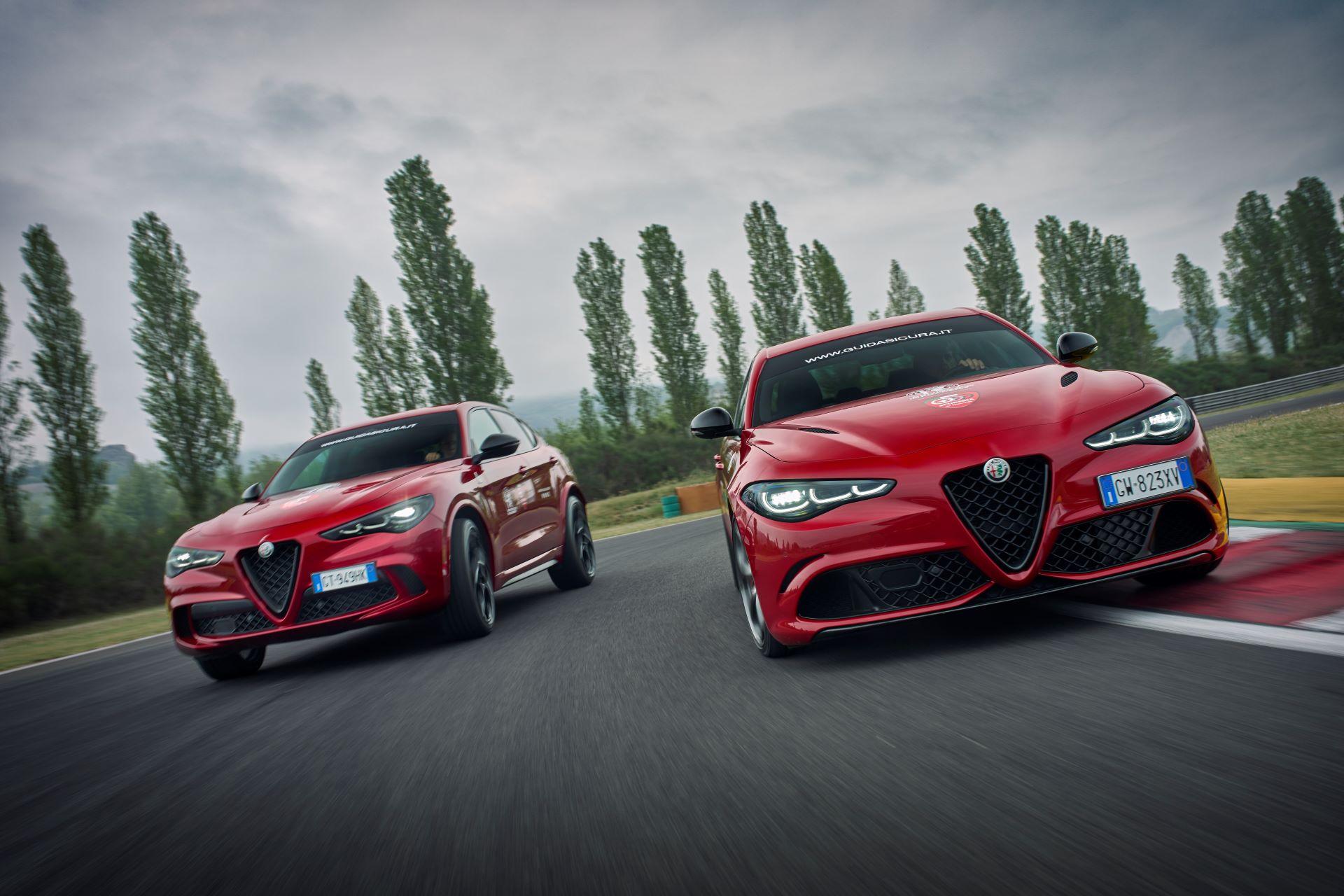
The Giulietta’s influence would ripple across decades. Its DNA lives on in models like the Giulia, which would refine and elevate the Giulietta’s blend of performance and accessibility. In many ways, the Giulietta Berlina did for Alfa Romeo what the Beetle did for Volkswagen or the Mini for BMC—it made the brand universal, accessible, and essential.
Between 1955 and 1964, more than 130,000 Giulietta Berlinas rolled off the line, with total Giulietta production—including the Sprint, Spider, Sprint Speciale, and SZ—topping 177,000 units. Each carried with it a promise: that sportiness, elegance, and innovation weren’t just for the privileged few—they were for everyone.
Seventy years later, the Giulietta Berlina remains more than a car. It is a symbol of rebirth, of aspiration made real, of Italy’s post-war rise. It represents the moment Alfa Romeo shifted from legend to legacy—bringing the spirit of the racetrack to the boulevards of Milan, the hills of Tuscany, and the cobbled streets of Rome. And in doing so, it gave Italians not just a way to get from A to B, but a way to dream.