




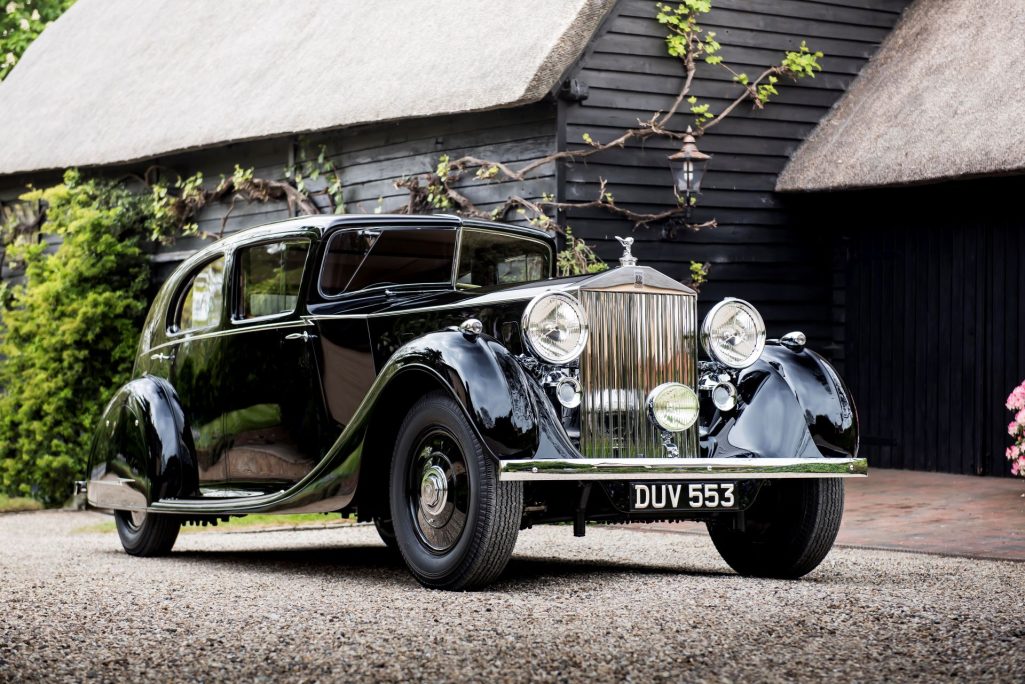
The fourth installment in the ‘Models of the Marque’ series highlights the iconic Rolls-Royce Phantom III. Launched in 1936, this model was not only the first Rolls-Royce to be powered by a V12 engine but also the last major design overseen by Sir Henry Royce before his passing in 1933. This article delves into the history, design, and enduring influence of the Phantom III, a car that set new standards for luxury and performance.
A Brief History of the Phantom III
The Visionary Design
The Rolls-Royce Phantom III holds a special place in automotive history. Introduced in 1936, it was the first model from the marque to feature a V12 engine, setting a precedent for future Rolls-Royce vehicles. This innovation marked a significant shift from the previous in-line six-cylinder engines, reflecting Sir Henry Royce’s foresight in recognizing the limitations of the existing technology and the need for more powerful engines.
Technical Innovations
Royce’s V12 engine was a marvel of engineering, shorter than the Phantom II’s in-line six-cylinder unit, with a capacity of 7.3 liters. This compact design allowed for a shorter bonnet and a larger passenger compartment, providing coachbuilders with more creative freedom. The engine initially produced 165 horsepower, later increasing to 180, significantly boosting the vehicle’s performance.
Design and Performance
Advanced Engineering
The Phantom III’s chassis was another groundbreaking development. Royce introduced independent front suspension, a first for Rolls-Royce, which greatly enhanced ride comfort and steering control. The design team also incorporated numerous smaller engineering advancements that minimized noise, vibration, and harshness, making the Phantom III one of the quietest and smoothest-riding cars of its era.
Experimental Models
Before his death in 1933, Royce saw the completion of experimental versions of the V12 engine. These experimental Phantom III cars, built between 1934 and 1937 under the codename Spectre, paved the way for the marque’s first all-electric model, also named Spectre, in homage to these pioneering vehicles.
Market Impact and Legacy
Production and Reception
The first production Phantom III chassis, with a body built by H. J. Mulliner, was delivered in August 1936. A total of 710 units were produced before Rolls-Royce halted production in 1939. Despite its brief production run, the Phantom III left a lasting impact on the automotive world, showcasing Rolls-Royce’s commitment to innovation and excellence.
Post-War Changes
The outbreak of World War II meant that Rolls-Royce had to adapt to a rapidly changing world. Post-war, the company shifted its focus to models more suited to the new era, yet the influence of the Phantom III’s design and engineering persisted. Its technical brilliance and performance set a benchmark that future Rolls-Royce models would strive to meet.
Conclusion
The Rolls-Royce Phantom III is a testament to Sir Henry Royce’s visionary talents and the marque’s dedication to engineering excellence. Its introduction of the V12 engine and advanced chassis design not only revolutionized the brand but also left an indelible mark on the luxury automotive industry. As we celebrate the 120th anniversary of the first meeting between Henry Royce and Charles Stewart Rolls, the Phantom III stands as a proud symbol of innovation and heritage, inspiring future generations of Rolls-Royce motor cars.


