



When it comes to ensuring the safety of vehicles on the road, roadworthy checks are not just a legal obligation—they are a fundamental aspect of responsible vehicle management. Although the law dictates certain requirements, particularly for public transport and commercial vehicles, neglecting roadworthy checks for passenger vehicles can lead to devastating consequences.
Legal Requirements for Roadworthy Testing
Under current regulations, roadworthy checks are mandatory for vehicles in specific circumstances. Passenger vehicles are required to undergo a roadworthy inspection only when ownership changes hands. On the other hand, public transport vehicles, including minibuses, and heavy commercial vehicles are subject to annual roadworthy checks to ensure they meet safety standards. Buses, by law, are required to have roadworthy checks every six months.
However, relying solely on legal requirements for ensuring a vehicle’s roadworthiness leaves room for neglect. The consequences of ignoring the condition of a vehicle until it is legally required to undergo testing can be grave, especially when safety is compromised on the road.
Legal Obligations vs Moral Responsibilities
Eugene Herbert, CEO of MasterDrive, cautions that while roadworthy checks are legally required, there is a deeper moral responsibility involved in maintaining vehicles. “Especially in passenger vehicles, which can remain in service for many years before a roadworthy check is required, fleet managers should make roadworthy inspections a regular part of their maintenance program, regardless of legal requirements,” he says.
Herbert, whose company specializes in driver training, underscores the importance of roadworthy vehicles in training environments. “Training cannot take place in vehicles that fail to meet basic roadworthy standards. Unfortunately, we see more vehicles arrive for training in poor condition than we would like,” he admits. This statistic highlights the failure of some drivers and fleet managers to recognize the importance of preemptive maintenance.
The Shared Responsibility of Fleet Managers and Drivers
The onus of ensuring that vehicles meet roadworthy requirements falls on both fleet managers and individual drivers. Fleet managers are responsible for initiating repairs and replacements to ensure that vehicles are roadworthy, but it is often the drivers who are the first to spot problems.
Herbert advocates for a zero-tolerance approach when it comes to neglecting pre-trip inspections. “These inspections should be an integral part of the daily routine, as they are the first line of defense in identifying potential issues,” he explains. “If problems are caught early, corrective actions can be taken in a timely manner, reducing the risk of accidents or breakdowns on the road.”
Safety is a collective effort, and both fleet managers and drivers must work together to maintain the roadworthiness of their vehicles. This approach ensures a proactive, rather than reactive, stance towards vehicle maintenance, reducing the likelihood of accidents due to neglected vehicle issues.
How to Conduct Roadworthy Checks
Regular roadworthy checks can be performed in two primary ways: through self-inspection or by enlisting a professional. While drivers and fleet managers can inspect basic vehicle components, it is often recommended that a trained professional conduct more thorough roadworthy checks.
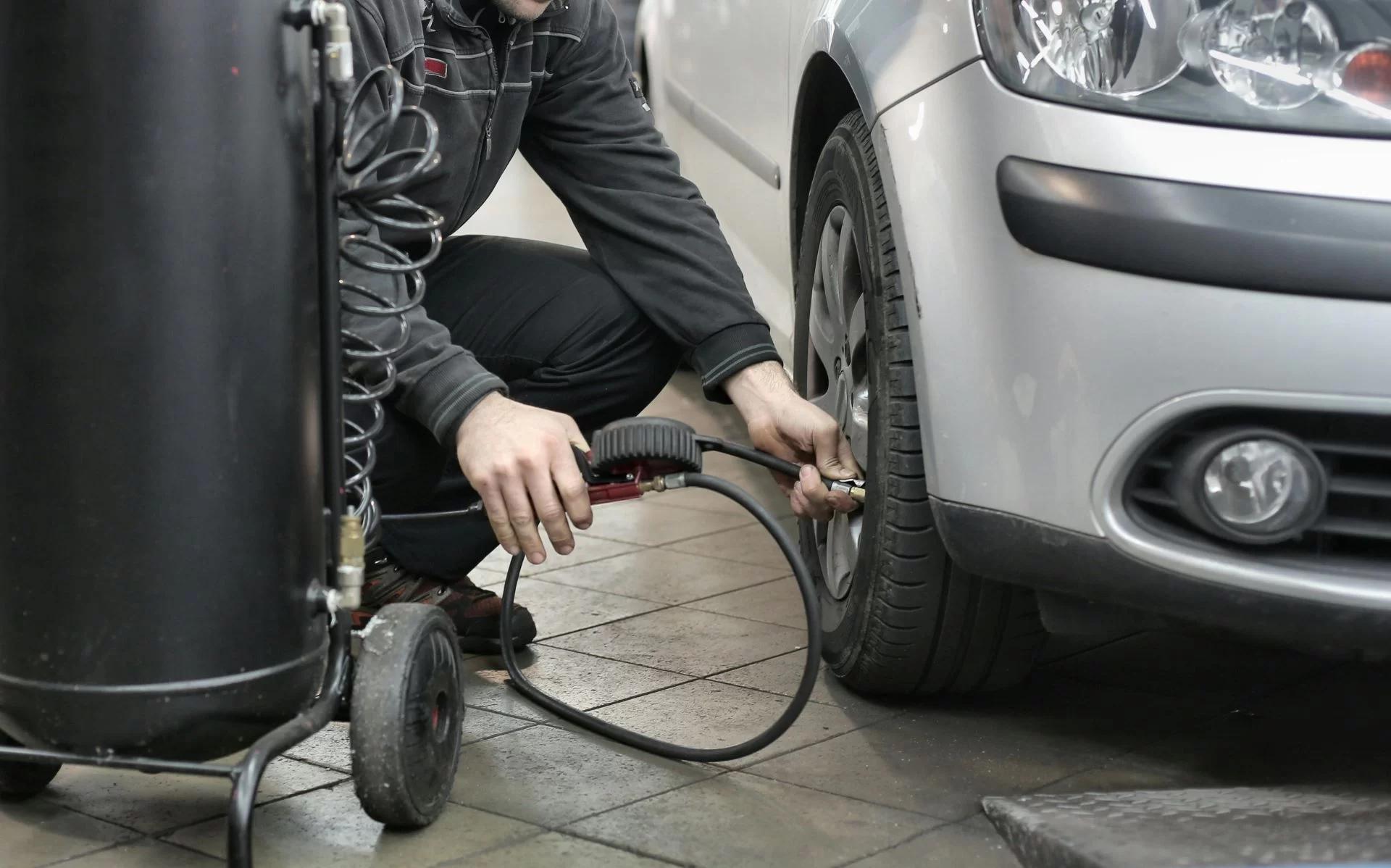
Typical components that are checked during a roadworthy inspection include the engine, lights, indicators, tyres, brakes, brake fluid, handbrake, steering and alignment, shocks, exhaust system, windows, windscreen, windscreen wipers, and doors. These elements are crucial for the safety of the vehicle, and any issues with them can put both the driver and other road users at risk.
Herbert emphasizes that while fleet managers can carry out basic checks, it is beneficial to have a professional perform comprehensive inspections. “Professionals, such as those from the Vehicle Testing Association (VTA), can quickly identify potential issues and resolve them more efficiently than a fleet manager or driver could,” he says. This additional layer of expertise helps ensure that any vehicle on the road is genuinely roadworthy, providing peace of mind to both drivers and fleet managers.
Trusting the Roadworthy Vehicle
A roadworthy vehicle, trusted by both the fleet manager and driver, can make the difference between a safe journey and an avoidable tragedy. “Each time a vehicle leaves an organization, both fleet managers and drivers need to be sure that the vehicle will not fail them in the worst possible way,” says Herbert.
The safety of the vehicle is not just a legal obligation—it is a moral duty to everyone on the road. From training vehicles to daily drivers, roadworthy checks are an essential part of ensuring safety and reliability. By taking a proactive approach and involving professionals when necessary, fleet managers and drivers can prevent breakdowns and accidents, ultimately saving lives and fostering a culture of responsibility on the road.


