





Since Sunday, many parts of the country have experienced heavy rainfall, disrupting road conditions and often creating hazardous driving situations. While this rainfall brings much-needed relief to areas that have seen drought, it also presents new challenges for motorists. Among the most critical, and sometimes overlooked, aspects of driving in wet weather is the use of headlights.
Despite the diminished visibility caused by rain, some drivers neglect to switch on their headlights. While it may seem like a small detail, switching on your headlights in rainy conditions has several key safety benefits, beyond merely improving your ability to see.
The Visibility Benefits: More Than Meets the Eye
Eugene Herbert, CEO of MasterDrive, strongly advocates for keeping your headlights on in all weather conditions, including rain. “If the safety benefits of having your lights on day and night and in all weather have not convinced you, the importance of switching your lights on during a storm should,” he says.
Even in light rainfall, your vision can be compromised. Central vision, for instance, is often impacted when your windscreen wipers struggle to keep up with the rain. In these conditions, drivers tend to focus more on what’s directly ahead of them, unintentionally reducing their peripheral vision and making it harder to spot other road users. In turn, switching on your headlights not only makes it easier for you to see, but it also helps others see you.
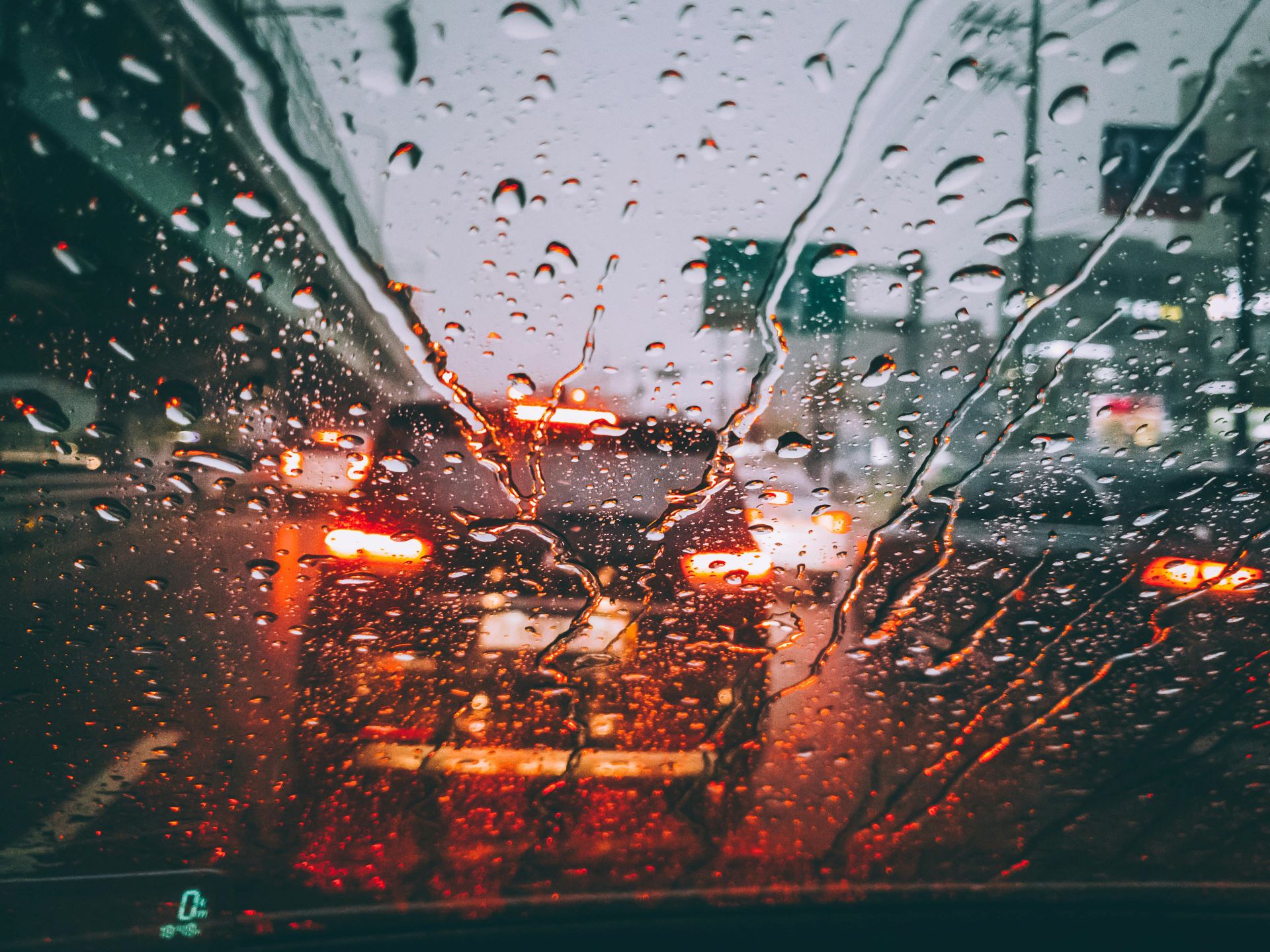
The Safety Implications of Having Your Lights On
When it comes to rain, the advantages of headlights go beyond just helping you navigate the road. Here are some reasons why it’s crucial to turn them on during wet weather:
- Increased Visibility From Behind
Switching on your headlights also activates your taillights, enhancing your visibility to drivers approaching from behind. This can prevent rear-end collisions, especially when the road is slick and visibility is poor. - Outdated Headlights Still Offer Protection
Headlights with older technology may not seem as effective in heavy rain because the light beams get scattered by the precipitation. However, even older headlights can significantly improve your visibility and alert other drivers to your presence, reducing the risk of accidents. - Don’t Wait for the Rain to Start
The rain doesn’t have to be pouring for you to switch on your headlights. As weather conditions begin to change, it’s wise to turn them on before the rain intensifies, ensuring you’re visible in the shifting light conditions. - Avoid Using Bright Lights in the Rain
While it might seem tempting to use high beams, doing so in wet weather can create intense glare, blinding other drivers and pedestrians. This not only puts you at greater risk but also makes the driving environment more dangerous for everyone on the road. - Fog Lights Can Help in Dense Rain
In heavy rain where visibility is severely reduced, fog lights can often provide better illumination than low beams. Fog lights have a wider, lower beam that reduces glare, ensuring other drivers can still spot you without blinding them. - Hazard Lights: Use Them Only When Necessary
Although it might seem logical to switch on hazard lights during a downpour, they should only be used in an emergency. Overuse of hazard lights can confuse other drivers, who may mistake your vehicle for being stationary, leading to unnecessary and dangerous evasive maneuvers. - Automatic Headlights: A Set-and-Forget Safety Feature
For vehicles equipped with automatic headlights, it’s best to leave this feature activated. Automatic lights adjust to weather changes without you having to remember to do so, ensuring you’re never caught off guard in poor visibility conditions. - Ensure Your Lights Are in Good Condition
Regularly check that both your head and taillights are functioning properly. You can do this by asking someone to help you check them or by shining your vehicle’s lights against a wall or window to ensure they’re working as they should.
A Matter of Life and Death
International studies show that low-light conditions, including rain, are a significant factor in up to 50% of road fatalities. As Herbert explains, “We encourage everyone to use their lights no matter the condition or to keep them switched to auto. In low-light conditions like rain, however, headlights are a non-negotiable.”
The road may seem deceptively safe when the rain is light, but the risk increases dramatically when the visibility is reduced, even marginally. By making a habit of turning on your headlights, regardless of the weather, you’re not just improving your ability to see the road—you’re also making sure that others can see you.
In summary, driving with your headlights on during wet weather is a simple but effective way to increase road safety. The benefits are clear: better visibility, reduced risk of accidents, and a safer driving environment for everyone on the road. So, the next time you hit the road on a rainy day, make sure your headlights are on—because in weather like this, they could save a life.
Comments
Newest firstLoading comments…