



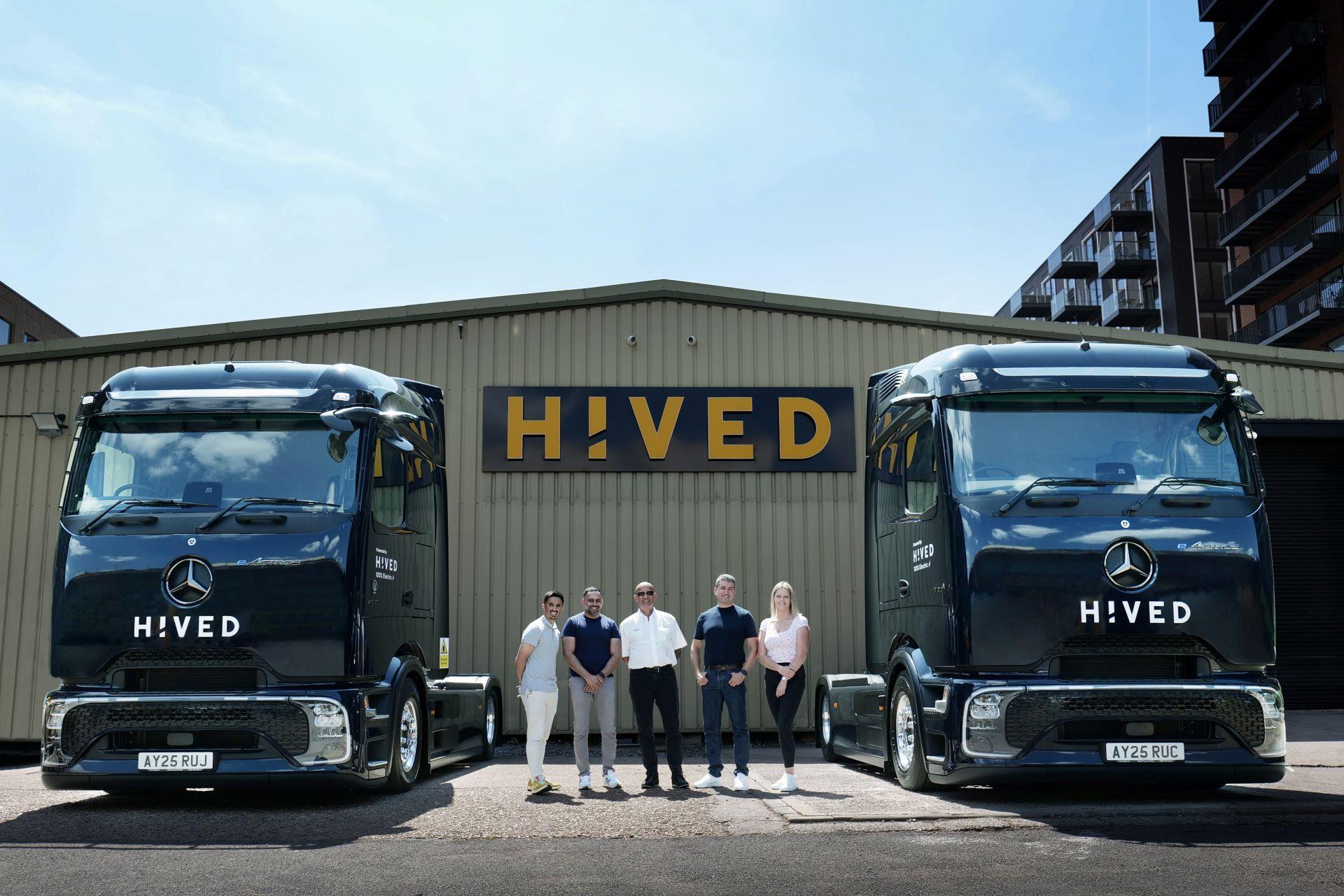
As the UK government pledges £30 million for its new Depot Charging Scheme (DCS), Daimler Truck UK’s Head of Future Sustainability, James Venables, has welcomed the initiative but urged policymakers to accelerate support for the development of a robust public charging network tailored to heavy goods vehicles (HGVs).
“This is a great start, but there is more to do,” Venables stated. “It’s clear that to boost the take-up of battery-electric vehicles further, we need more places where they can be charged. But that’s a simplistic statement—the truth is a little more nuanced.”
Indeed, the nuances are critical. While depot-based charging will form a cornerstone of electric fleet operations, Venables argues that the broader adoption of electric HGVs depends on smart, high-powered public infrastructure located where it’s truly needed.
Charging Where It Counts
“For dedicated HGV charging points to be truly effective, they must offer high enough power ratings and be sited in the right places,” Venables explained. “It’s not enough to simply dot chargers along the motorway. They need to be positioned at key logistical junctions, transport corridors and rest stops to support real-world operations.”
To that end, Daimler Truck UK has launched TruckCharge, a holistic advisory and infrastructure support service designed to help operators transition to electric fleets. The programme provides free consultation, site planning, cost-benefit analysis, and digital charging management solutions. It’s all about simplifying what can seem like a daunting leap into electrification.
Integrating Charging into Daily Workflows
A key tenet of Daimler Truck UK’s approach is ensuring that charging aligns seamlessly with existing work patterns.
“High-powered and megawatt charging systems are incredibly effective for electric HGVs and allow battery top-ups to be perfectly integrated with mandatory driver breaks, which really does make perfect sense,” said Venables.
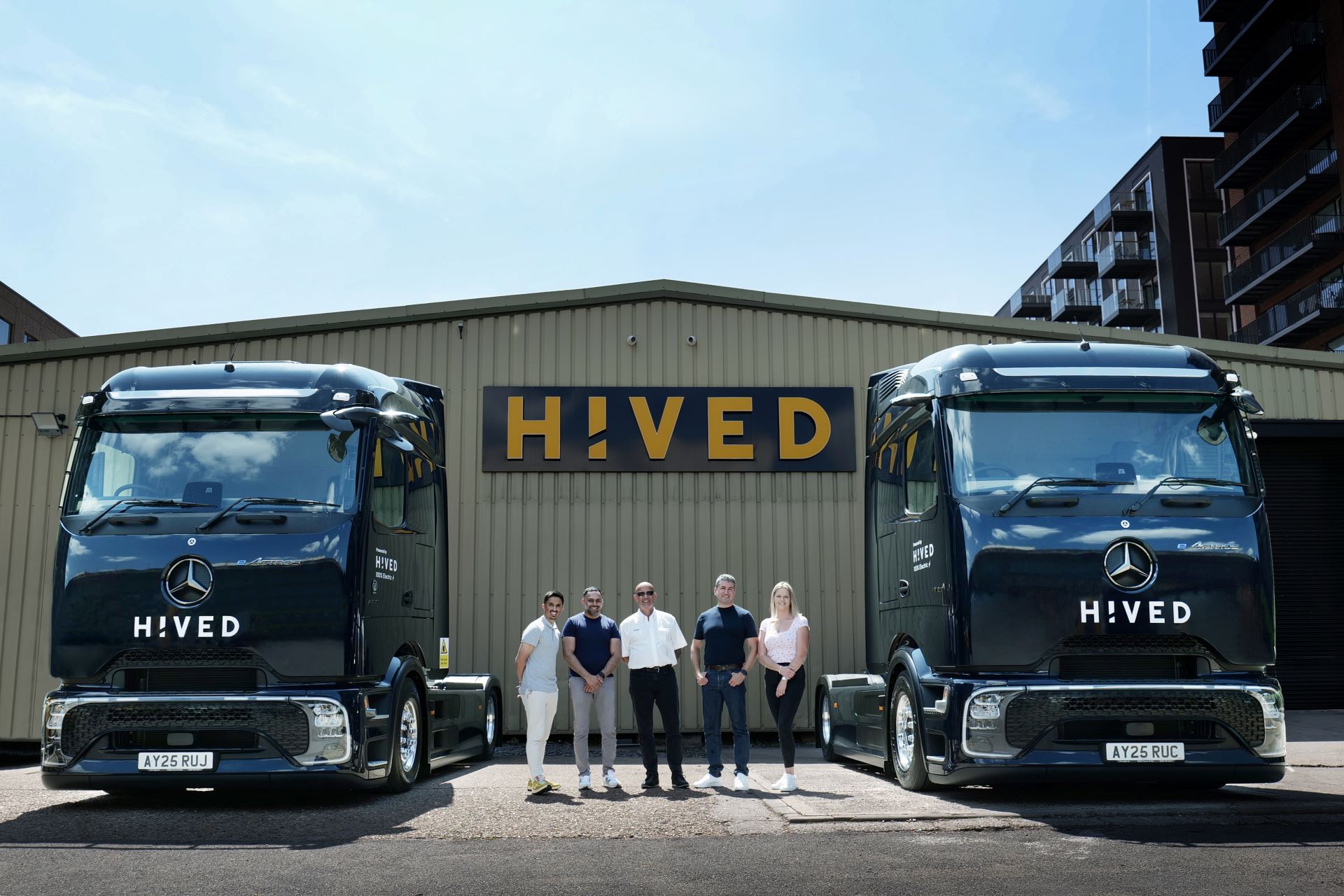
He cited the eActros 600—a flagship electric truck with a real-world range of over 500 km on a single charge. With 400kW charging, its batteries can reach 80% in under 60 minutes. Future megawatt charging capability could cut that to just 30 minutes, enabling vehicles to potentially travel 1,000 km per day—without sacrificing efficiency.
Smart, Accessible and Affordable
Beyond technical capability, cost and user experience are equally important pillars.
“In addition to the technical and power needs, public charging should be cost competitive,” said Venables. “It also needs to work intelligently – for example, allowing drivers to pre-book and view availability of the network in advance of their journey.”
Without these features, public infrastructure risks being underutilised or overlooked altogether. Venables stressed the need for a system that enables operators to run eHGVs at maximum efficiency, delivering both environmental and financial benefits.
Private Sector Momentum – But Public Support Essential
While private initiatives are already gaining traction—such as Milence, Daimler Truck’s joint venture with Volvo Group and the Traton Group—Venables believes this is only one part of the equation.
“Milence is taking charge of building public charging across Europe, and we’ve already opened our first UK site in Immingham,” he said. “But we also need coordinated government investment and long-term policy support to scale this effort meaningfully.”
Confidence Through Visibility
According to Venables, early adopters have a crucial role to play in driving broader confidence across the logistics sector.
“The more we can do to support early adopters of electric trucks, the more vehicles will be seen out and about on our roads, covering the distances, and hauling the loads that are typical in UK logistics,” he said. “And that visibility is what will give other operators the confidence that electric trucks can work successfully in the real world.”
Leading the Charge to Zero Emissions
Looking ahead, Daimler Truck is preparing its entire ecosystem—from dealer training to eConsulting services—for a zero-emission future. The company is pursuing a dual-technology strategy, balancing battery-electric vehicles with hydrogen fuel cells, and aiming to have an entirely zero-emission model line-up by 2039.
“We want to help operators overcome any perceived obstacles, and we have the knowledge, tools, and support in place to make that happen,” Venables concluded. “Now all the industry needs is the investment in public charging stations to remove any final doubts that electric trucks are the future.”


