



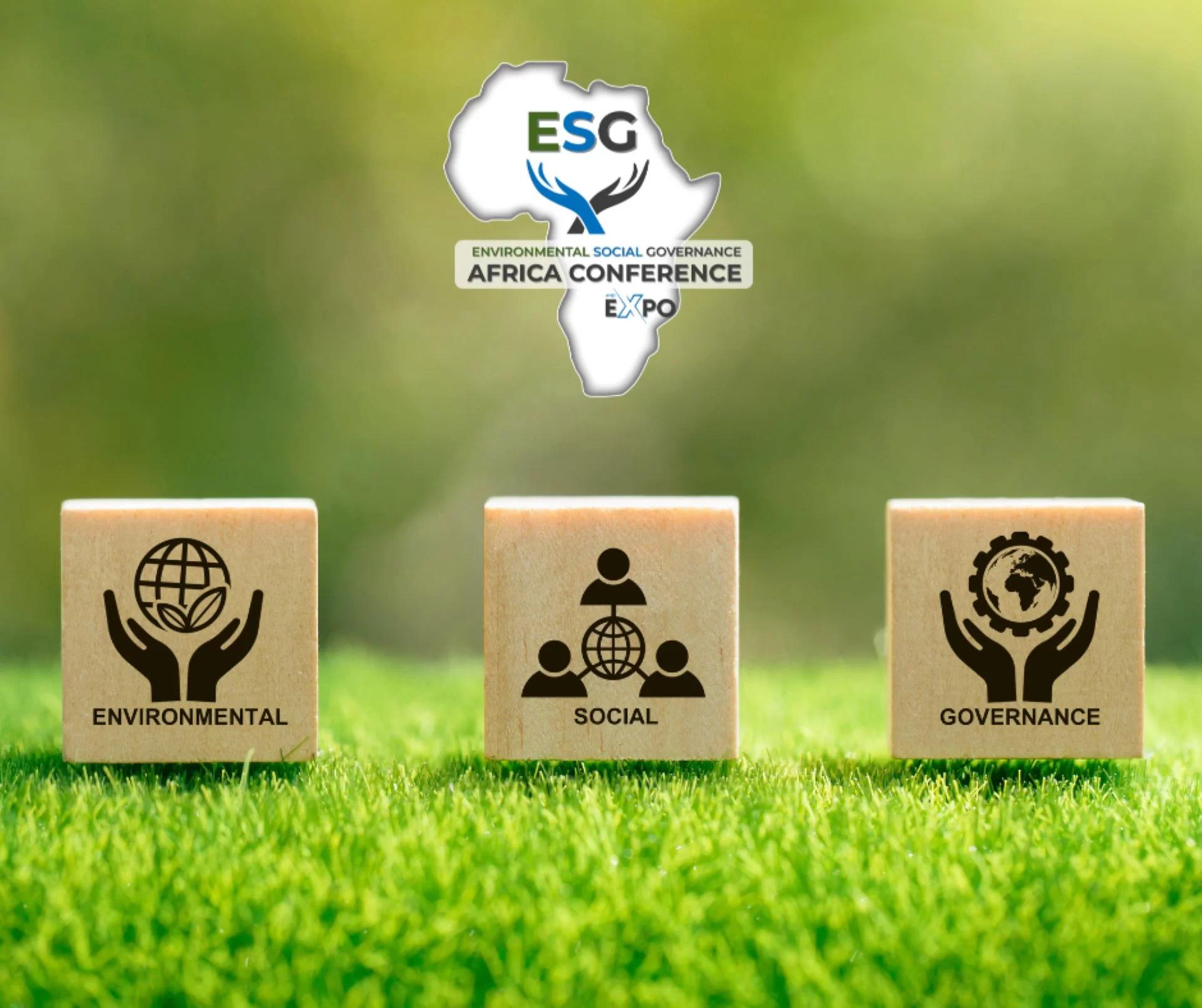
In recent years, Environmental, Social, and Governance (ESG) practices have gained significant attention. However, it’s essential to understand that ESG is neither a fleeting trend nor a mere movement as some have suggested. Rather, ESG represents a vital framework for achieving sustainability and addressing global challenges. Far from being an imposition by so-called “woke capitalism,” it is an opportunity to turn risks into actionable opportunities for businesses and societies alike.
ESG: A Framework for Accountability and Resilience
At its core, ESG is a way to measure an organisation’s impact on the environment and society while also evaluating its resilience to financial risks. With the world facing a rapidly escalating climate crisis and deepening social inequality, ESG is more than a buzzword—it is an essential tool for driving transparency, accountability, and long-term value.
As ESG reporting standards evolve, the public disclosures required of companies make it impossible for organisations to make unsubstantiated claims about their sustainability efforts. From 2025, non-financial metrics will be audited with the same rigour as financials, ensuring that ESG performance is not just a matter of public relations but a critical part of corporate strategy.
Globally, companies are aligning their strategies with frameworks such as the Sustainable Development Goals (SDGs) and the UN Global Compact to substantiate their environmental and social commitments. In Africa, the Johannesburg Stock Exchange’s Sustainability Disclosure is already setting a progressive benchmark by aligning with global standards such as the Global Reporting Initiative (GRI) and the EU taxonomy.
Ubuntu and ESG: An African Perspective
The concept of ESG, while rooted in global frameworks, resonates deeply with Africa’s own values of shared prosperity and collective effort. The African philosophy of Ubuntu, which emphasises that “I am because we are,” reflects the idea that success is best achieved through the inclusion of all members of society. ESG, therefore, isn’t an external imposition on Africa—it is a natural extension of the continent’s cultural commitment to shared responsibility and inclusive development.
Africa’s ESG Imperative
Africa’s abundant natural resources have long been a source of global wealth, yet they have not consistently delivered equitable social benefits across the continent. The legacy of exploitation, combined with weak institutions and regulatory frameworks, has often led to a culture of corporate impunity. But Africa’s integration into global markets means that companies operating on the continent can no longer afford to ignore ESG practices if they wish to attract capital and participate in global supply chains.
European markets, in particular, are ramping up their regulatory demands on sustainability. African companies seeking to do business internationally will need to align with these standards to remain competitive. The regulatory push is creating a new urgency for African businesses to embrace ESG—not just as a compliance exercise, but as a pathway to long-term value creation.
ESG Africa Conference 2024: A Platform for Action
As Africa grapples with these challenges, the upcoming ESG Africa Conference offers a vital platform for debate, collaboration, and learning. Taking place from October 1-2, 2024, at the Sandton Convention Centre, the conference will gather more than 400 leaders from across the continent to explore how best to integrate ESG into business practices.
Wendy Poulton, co-founder and organiser of the conference, emphasised that participation is expected to significantly exceed previous years. “Our conference has really advanced our collective understanding of ESG, from initially defining it to looking at how business responded to market shocks. This year, we are exploring how we move beyond compliance to achieve positive impact,” Poulton said.
The two-day event will focus on six key themes, including the role of governance in driving ESG, integrating ESG into strategy, and the circular economy. One crucial topic of debate will be whether ESG is driven more by regulation or by business ethics—a question with significant implications for how organisations engage with sustainability.
Participants will also have the opportunity to learn from case studies, youth perspectives, and small enterprise experiences. These discussions are particularly important in the African context, where the sustainability journey is diverse and non-homogeneous. By coming together, stakeholders can identify solutions that drive both social and environmental justice while supporting sustainable growth.
Looking Forward
The stakes have never been higher. Africa’s journey towards ESG integration is both a challenge and an opportunity. As global regulatory frameworks become stricter, African companies have the chance to lead the way in sustainable development. By embracing ESG principles, organisations on the continent can enhance their resilience, improve their financial performance, and contribute to a more equitable future for all Africans.
The ESG Africa Conference is a crucial step in advancing this dialogue. The willingness of African businesses and civil society to participate in the event demonstrates a clear intent not only to integrate ESG but to shape it as a tool for long-term success.


