



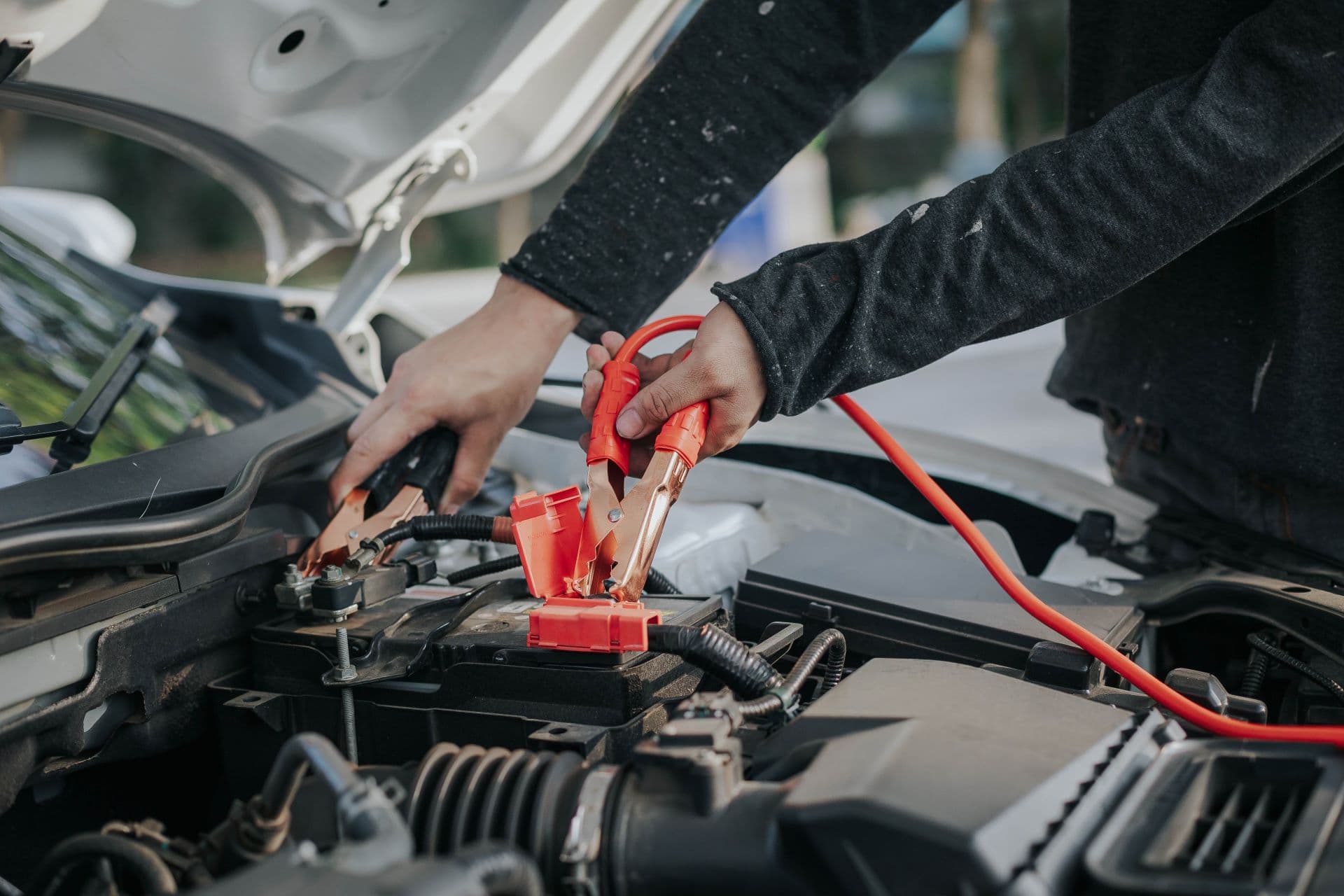
A flat battery is every driver’s nightmare. Whether it’s the result of leaving your headlights on overnight or hosting an impromptu car-audio session at the lake, a drained battery can leave you stranded. While jump-starting your vehicle or enlisting a push from some helpful friends might offer a quick fix, persistent battery issues require expert attention.
Vishal Premlall, National Director of TEPA (Tyre, Equipment, Parts Association), a proud affiliate of the Retail Motor Industry Organisation (RMI), sheds light on battery health, the different types available, and what to consider when replacing one.
Understanding Battery Types
Car batteries are not a one-size-fits-all component. Different types cater to different vehicle needs, each requiring specific care:
- Flooded Lead-Acid (Conventional) Batteries – Common in older vehicles without start-stop systems, these require regular maintenance and typically last between three to five years with proper care.
- Enhanced Flooded Batteries (EFB) – Designed for vehicles with basic start-stop systems, these provide more charge cycles than conventional lead-acid batteries. They are generally maintenance-free and can last up to six years.
- Absorbent Glass Mat (AGM) Batteries – Found in vehicles with advanced start-stop systems and regenerative braking, AGM batteries are more durable and vibration-resistant. However, they require special care and can last between three to seven years.
Signs Your Battery Is Failing
A failing battery gives off warning signs that should never be ignored. If you notice any of the following, it may be time to replace your battery:
- Slow engine crank
- Dim headlights and electrical issues
- Clicking sound when turning the key
- Frequent need for jump-starts
- Dashboard battery warning light
- Malfunctions in electrical components (e.g., electric windows, radio, air conditioning)
- Swollen battery case
- Sulphur/rotten egg-like smell from the battery area
- Corroded battery terminals
What to Look for in a Replacement Battery
Not all batteries are created equal. According to Premlall, drivers should focus on four key factors when purchasing a replacement battery:
- Size – Ensure the battery fits correctly in your vehicle’s battery compartment.
- Power Rating – Check the cold cranking amps (CCA) and reserve capacity (RC) to ensure your battery meets your car’s power demands.
- Warranty – A quality battery should come with a reliable warranty, offering peace of mind.
- Brand – Choose a reputable brand known for durability and performance.
“Because a battery is a ‘good deal’ doesn’t mean it’s a good battery,” Premlall cautions. “A cheap battery might cost you more in the long run when it fails prematurely, leaving you stranded.”
The Importance of Professional Installation
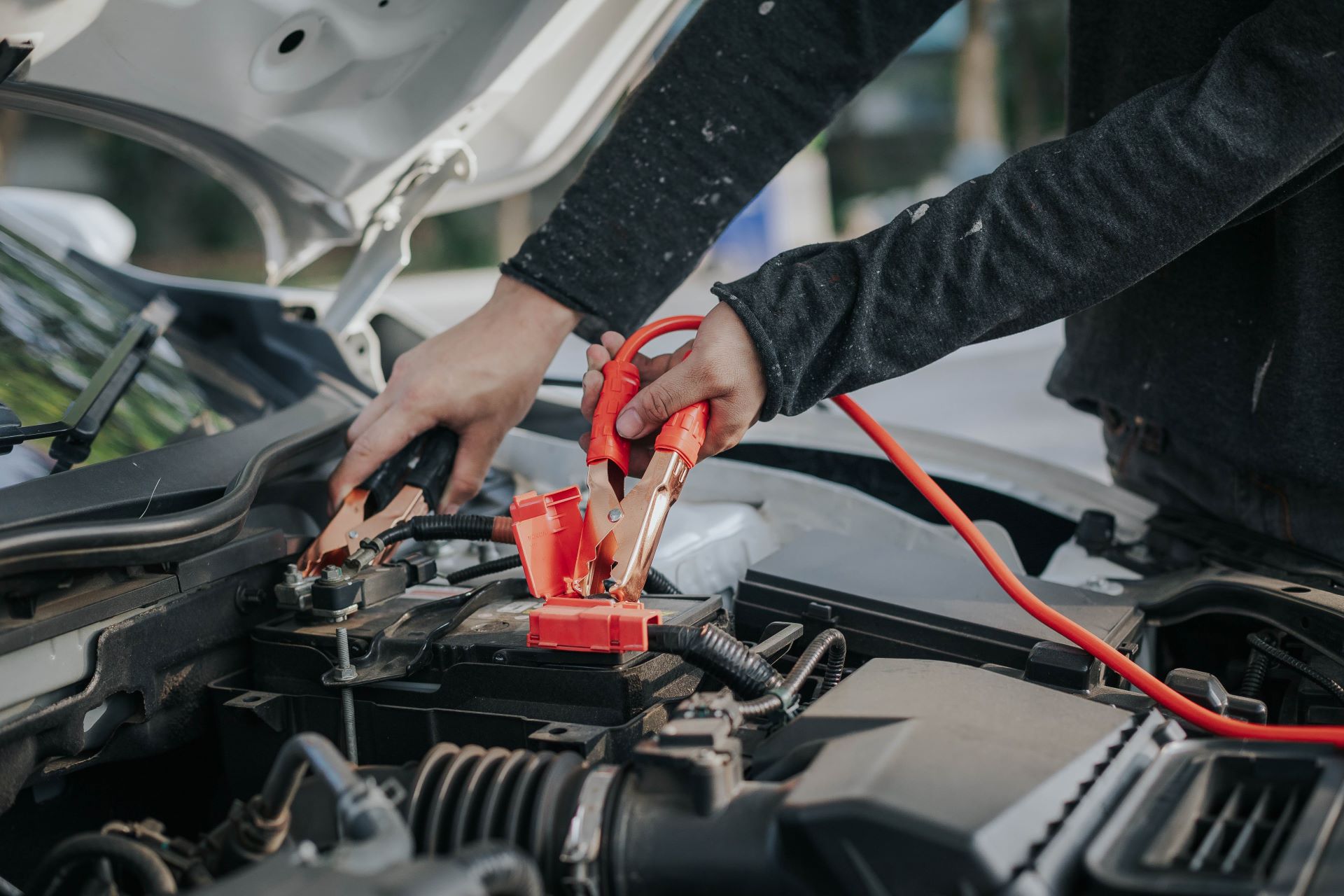
Installing a battery may seem straightforward, but improper installation can cause serious damage. Premlall warns against relying on a well-meaning neighbour or a friend with basic mechanical skills. Mistakes such as reversing the positive and negative terminals can lead to electrical shorts, blown fuses, or even damage to the car’s sensitive electronics.
Loose connections may cause intermittent power loss, while overtightening clamps can crack the battery case, leading to acid leaks. Using an incompatible battery type or one with the wrong voltage can strain the alternator and other electrical components, resulting in premature failure.
To avoid costly repairs, always have your battery professionally fitted at a reputable fitment centre, where proper installation is guaranteed.
Responsible Battery Disposal
TEPA strongly advocates for the safe disposal of car batteries. All reputable fitment centres recycle batteries responsibly, making them the ideal place to dispose of old units.
“Car batteries contain hazardous chemicals like lead and acid, which can pollute soil and water if not disposed of correctly,” says Premlall. “By exchanging your old battery at a fitment centre, you’re contributing to a cleaner, greener future.”
A reliable car battery is essential for smooth and safe driving. By understanding the different battery types, recognising warning signs of failure, and ensuring professional installation, you can extend the life of your battery and avoid unnecessary breakdowns.
When it’s time for a replacement, choose a quality battery from a trusted brand and dispose of the old one responsibly. Taking charge of your car’s battery health ensures you stay powered up and on the road with confidence.
Comments
Newest firstLoading comments…