



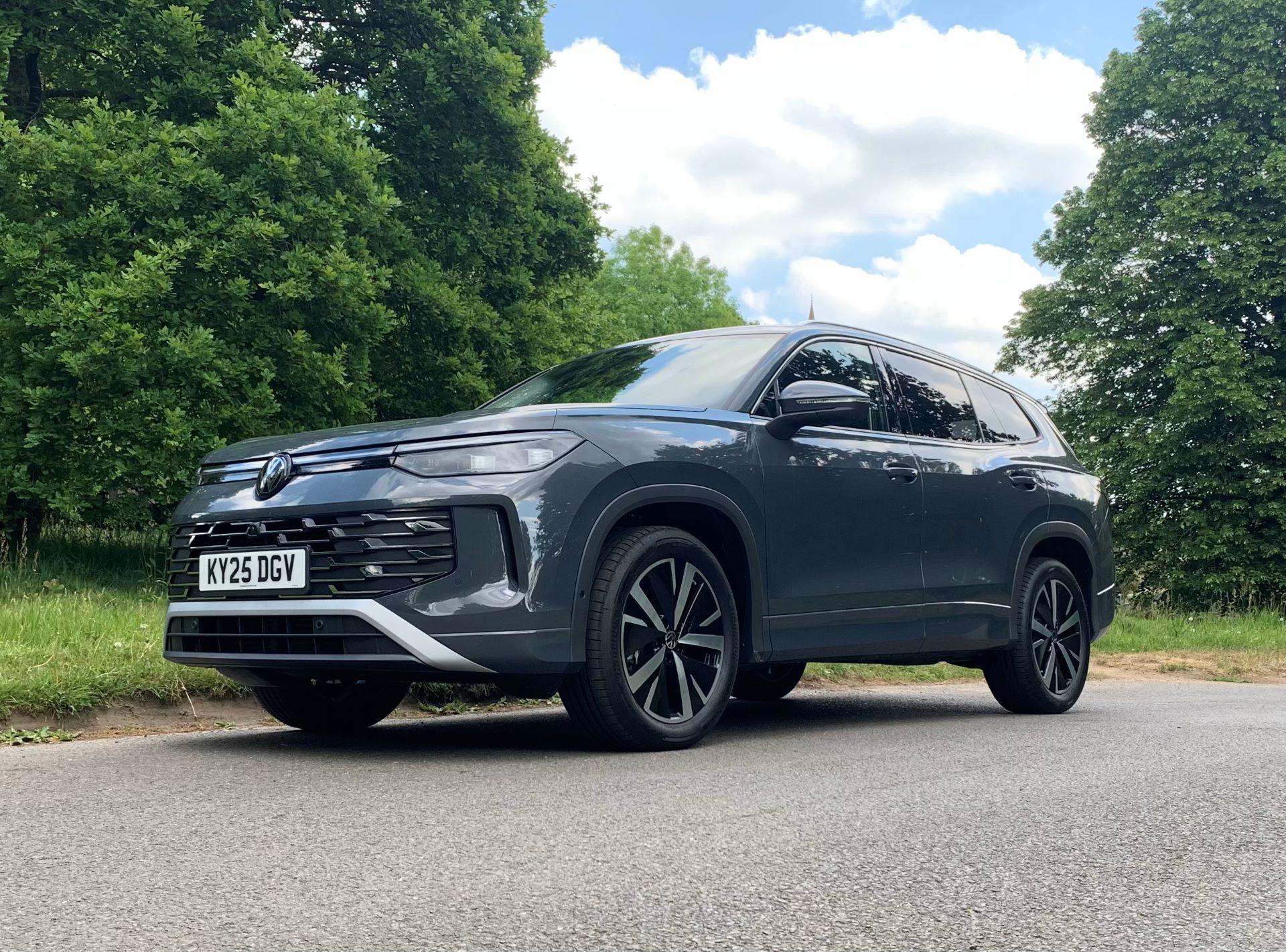
New data from CarGurus reveals that SUVs have officially taken over Britain’s roads — and show no signs of slowing down. According to analysis from the leading automotive marketplace, 52% of all new models from the UK’s top 35 car manufacturers in 2025 are SUVs or crossovers, the highest proportion in the last 25 years.
This surge marks a staggering 543% increase in SUV model availability since 2000, when just 30 models were on offer. Fast forward to 2025, and British drivers can now choose from an unprecedented 193 SUV variants — a number that continues to climb year-on-year, with an 18% rise in options compared to 2024 alone.
From Niche to Norm
Twenty-five years ago, the SUV was something of a novelty. In 2000, fewer than half of the top 35 carmakers offered an SUV in their range. Today, every single one of them does — and 57% of those brands (20 in total) offer five or more models.
At the forefront of this expansive shift are premium German marques. Audi leads the SUV charge with 18 distinct models, followed by BMW with 15 and Mercedes with 13. The mainstream market isn’t far behind either; Ford, Hyundai, and Kia all offer seven SUV models in 2025.
New entrants to the UK automotive scene are also leveraging the SUV body style to gain traction. EV-led brands like BYD, GWM, Omoda/Jaecoo, and Leapmotor are entering the market with at least one SUV in their line-up, reflecting the style’s mass-market appeal and global relevance.
Electrification Fuels Expansion
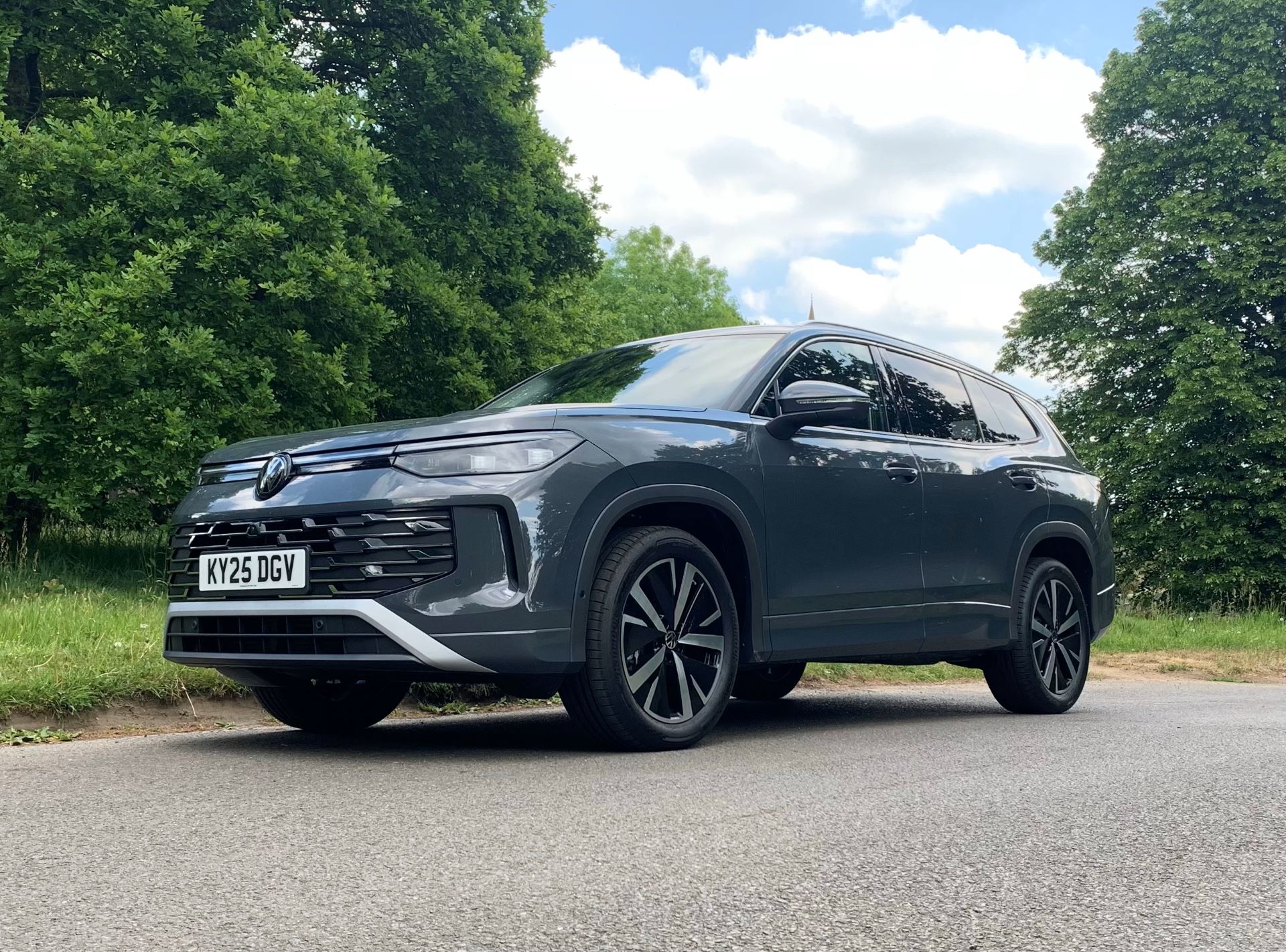
The SUV boom is being further amplified by the rise of electric vehicles. One in three new SUV models (33%) now come with electric powertrains — a figure that underscores how manufacturers are aligning with both consumer demand and regulatory targets for reduced emissions.
As electrification becomes the norm, the combination of EV tech and SUV practicality is proving irresistible. Drivers increasingly seek out models that offer space, efficiency, and a commanding driving position — all of which the modern electric SUV delivers in spades.
The Decline of the Rest
As SUVs climb to dominance, other body styles are steadily losing ground. Hatchbacks, once a staple of the British motoring diet, have seen a 46% decline in availability since 2016–2022. MPVs — once the go-to choice for families — have been hit even harder, with available models down more than 70% from their peak.
In 2025, just 54 hatchback models are available, alongside 39 saloons and 36 estate cars. MPVs, meanwhile, are down to just 22 models. It’s a marked shift from the early 2010s, when each of these body styles routinely offered upwards of 70 variants.
Chris Knapman, Editorial Director at CarGurus UK, notes:
“Features like the high driving position, flexible interior space, big boot, and potential off-road capability make SUVs an appealing body style to consumers, so it’s no surprise that manufacturers have been racing to meet this demand with an increasingly varied supply of new models.”
However, Knapman adds that buyers with a preference for declining body styles shouldn’t despair:
“There’s still a wide variety of saloons, estates, MPVs and more on the used market. It’s a great place to find value and choice that may no longer be available new.”
The Best SUVs for 2025
To support consumers navigating this expansive market, CarGurus has released a comprehensive guide to the best SUVs of 2025. The platform also curates similar guides across various body styles, including the best small cars, used estate cars, and van-based MPVs — helping shoppers make informed decisions no matter their preference.
As Britain’s roads continue to fill with high-riding, tech-packed utility vehicles, it’s clear that the SUV is more than a trend. It’s a dominant force shaping the UK’s automotive future — and with nearly 200 options available this year alone, the choice for consumers has never been greater.


