



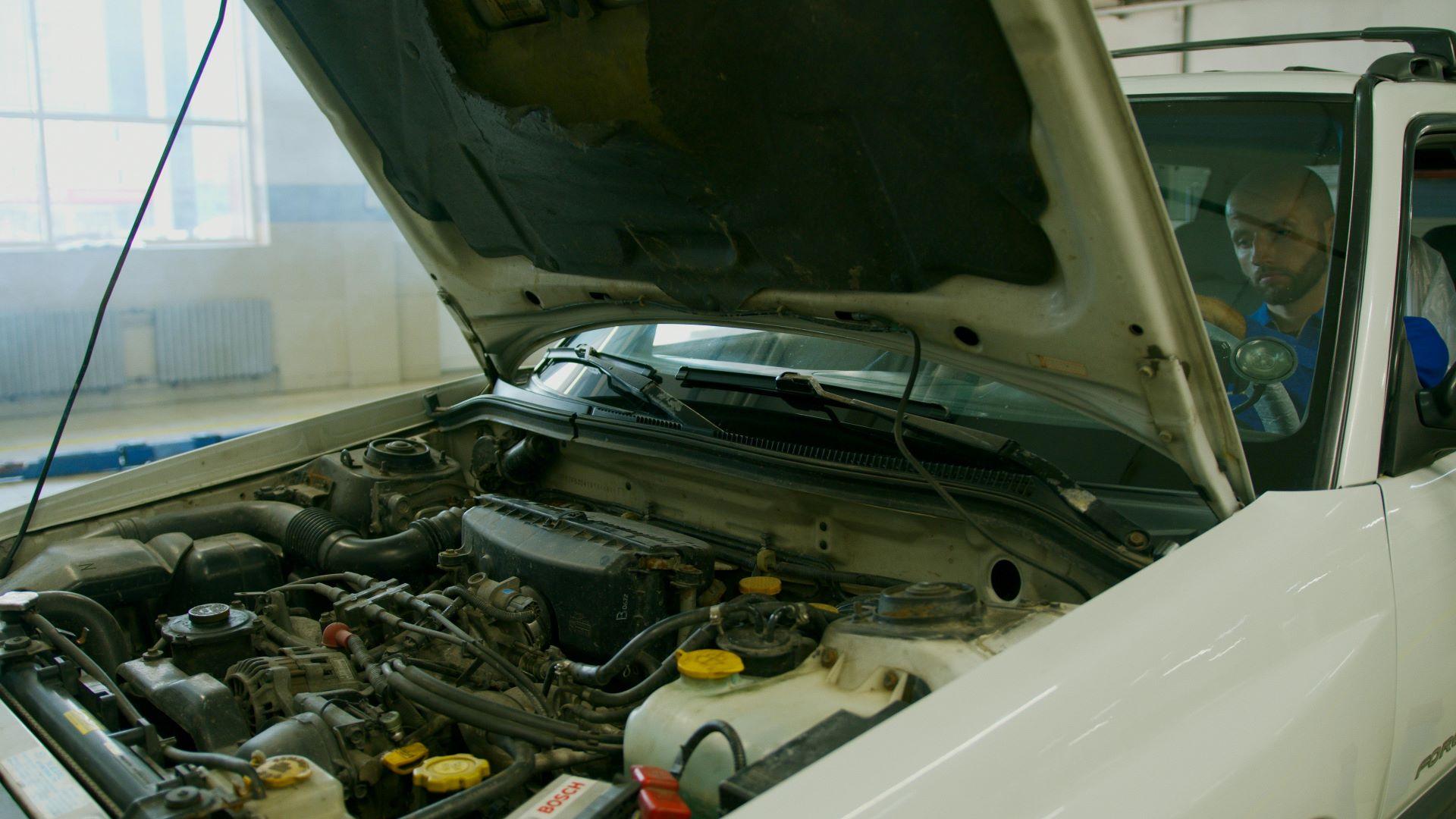
A recent survey by Heavy Duty Truck and Work Truck publications sheds light on the critical safety strategies implemented by fleet managers in the medium- and heavy-duty truck industry. The results from this third Safety Survey reveal a growing consensus that well-maintained vehicles are the cornerstone of fleet safety, with 88% of fleet managers identifying this as their top priority.
This focus on vehicle maintenance is part of a broader strategy that includes written policies, strict driver hiring standards, comprehensive driver training, and fostering a culture of safety. Each of these elements works together to ensure the safety of both drivers and other road users, as outlined by industry expert Eugene Herbert, CEO of MasterDrive.
The Importance of Vehicle Maintenance
The survey underscores that well-maintained vehicles form the foundation of an effective fleet safety strategy. With 88% of fleet managers prioritizing this aspect, it’s clear that regular maintenance checks are not just routine but essential. According to Herbert, ongoing maintenance practices can be seamlessly integrated into any fleet operation, significantly enhancing safety outcomes.
“Ensuring regular maintenance, avoiding shortcuts, and involving drivers in vehicle checks can all make a substantial difference to safety,” says Herbert. He explains that drivers, by performing pre-trip inspections, can detect potential issues before they become hazards. “If a truck shows signs of needing repair, it can be taken off the road to address the problem, reducing the risk to both drivers and the public.”
Written Policies and Procedures
The second most crucial strategy, according to 67% of fleet managers, is the implementation of written safety policies and procedures. However, Herbert notes that having these policies in place is not enough. “Driver training plays a vital role in making these policies effective. Without proper training, drivers may not fully understand their responsibilities, making it difficult for them to comply with the policies.”
Driver training equips drivers with the necessary tools to adhere to these guidelines, ensuring that policies are not just words on paper but active practices in the workplace.
Strict Hiring Standards
Another critical insight from the survey is the role of strict hiring standards in maintaining fleet safety. Nearly 60% of fleet managers emphasized the importance of stringent hiring practices, especially concerning driver training. Herbert highlights that 79% of fleet managers conduct safety training as part of the onboarding process for new hires. “This ensures that every driver entering the fleet is prepared to meet the safety expectations of the organization from day one,” he says.
Creating a Culture of Safety
Building a safety-first culture within the organization is also key to long-term success. More than half of fleet managers (56%) identified this as a priority, pointing to the need for consistent safety practices across all levels of the business. Herbert explains that driver training is a key driver in fostering this culture. “When training is prioritized, safety becomes ingrained in the company’s culture. Leading by example and providing drivers with the tools to succeed is essential.”
The Central Role of Driver Training
What becomes abundantly clear from the survey is that driver training is not only a standalone safety strategy but also a critical enabler for the other four strategies. Herbert stresses that it serves as the backbone of fleet safety. “Through training, drivers gain the knowledge and skills to implement safety measures effectively, whether it’s performing vehicle inspections, adhering to policies, or contributing to a safety-driven culture.”
The message from the survey is evident: if organizations do not currently prioritize driver training as part of their safety protocols, it is time to reconsider. As Herbert advises, “If you implement these strategies, make sure to highlight your commitment to road safety by entering the Fleet Safety Awards 2024.”
By focusing on these core strategies—well-maintained vehicles, clear policies, strict hiring, driver training, and safety culture—fleet managers can significantly enhance safety across their operations, ultimately safeguarding both drivers and the public on the road.


