



14 January 2025 – In a bold step toward a sustainable future, the British Overseas Territory of St. Helena, nestled 1,200 miles off Africa’s south-western coast, has become the site of a groundbreaking trial for electric vehicle (EV) technology. Subaru UK, in collaboration with Norwegian EV charger brand Easee and the St. Helena Government, has established the world’s most remote public EV charging point to support the island’s ambition to transition to zero-emissions transport by the end of the decade.
Charging the Path to Sustainability
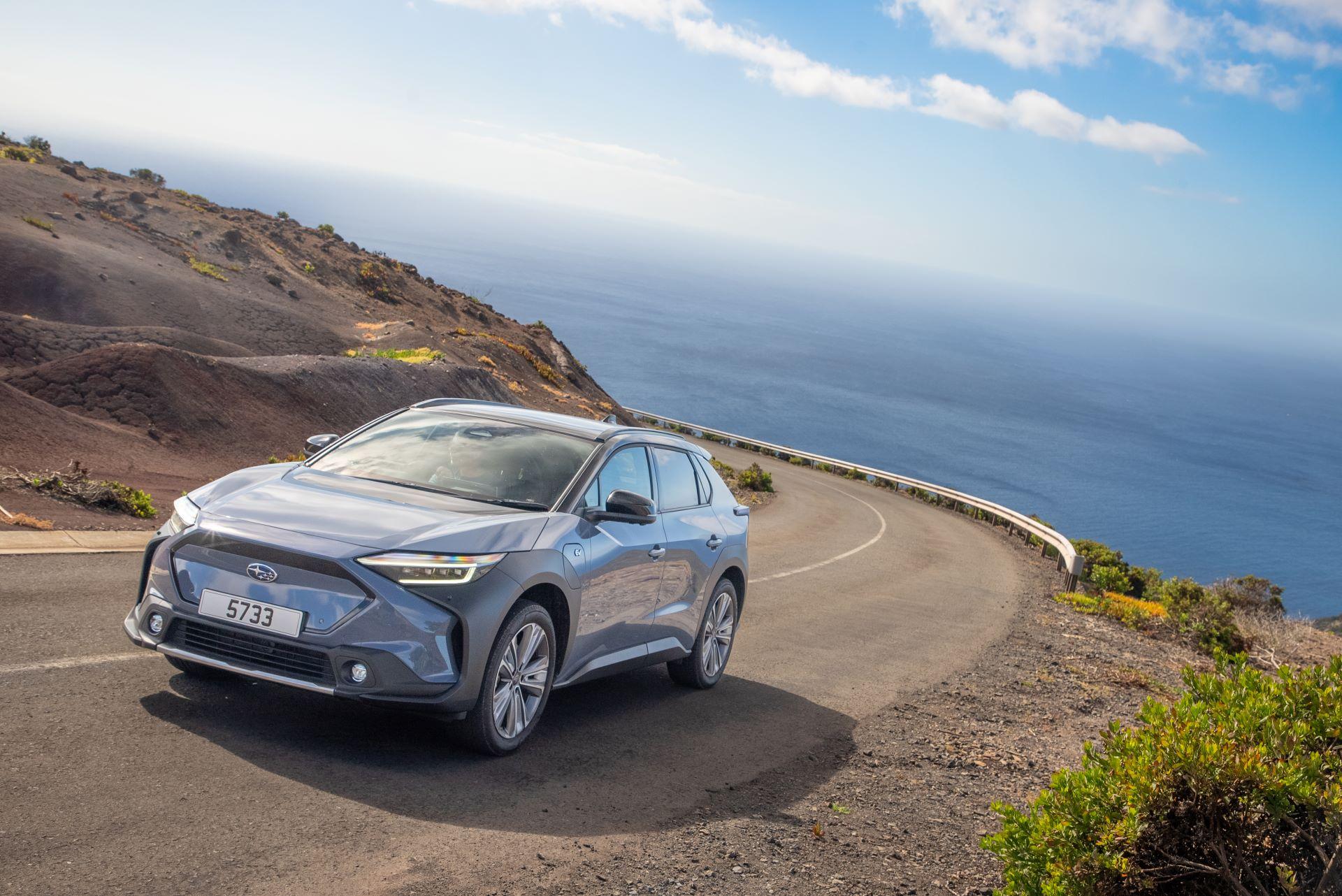
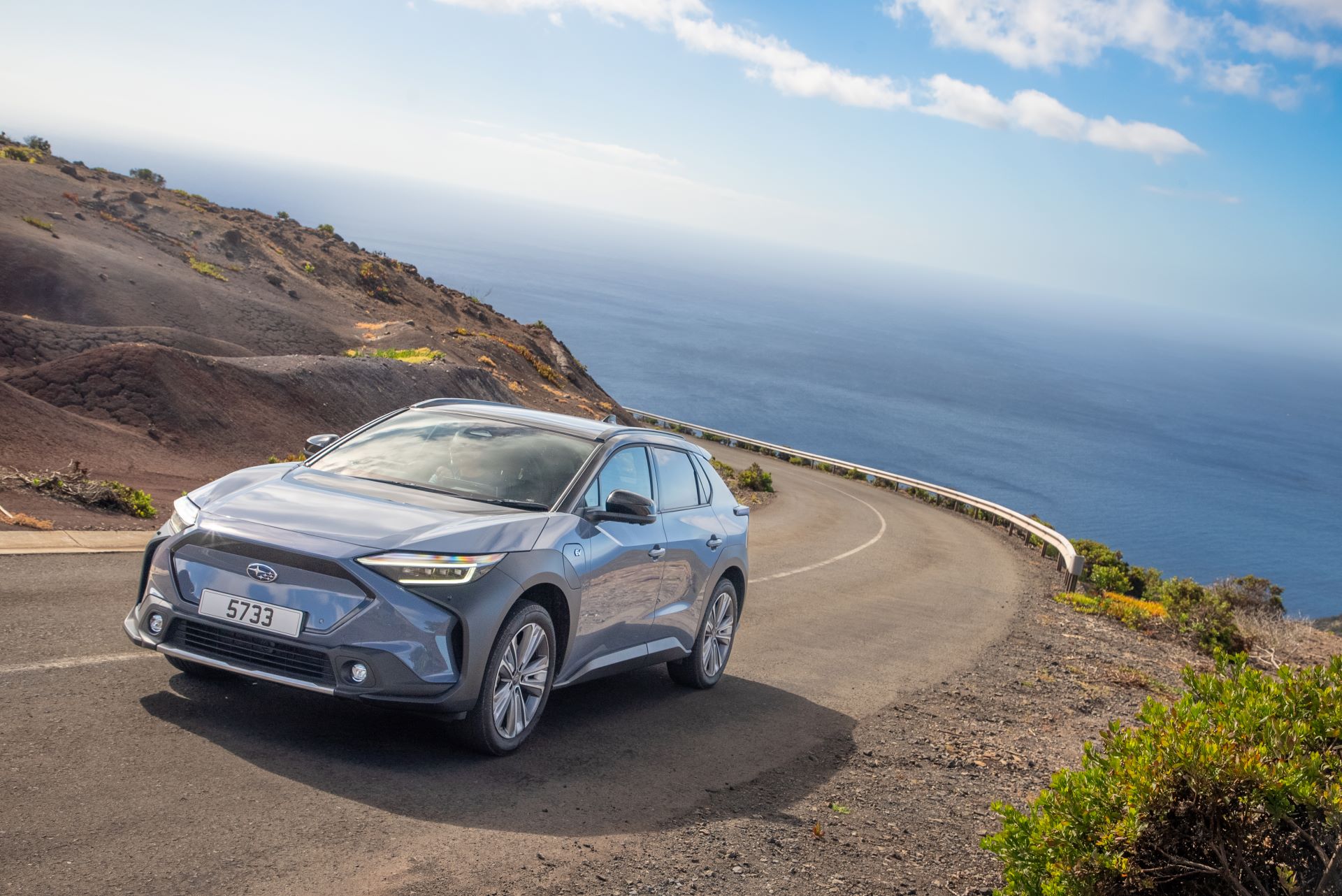
The trial saw the installation of an Easee Charge unit in Jamestown, the island’s historic capital. Connected to the local grid by Connect St. Helena Ltd, the charger served as the power source for Subaru’s all-electric Solterra. Transported to the island via the monthly supply ship, the Solterra embarked on a rigorous two-month test across St. Helena’s challenging terrain.
Subaru UK’s Managing Director, Lorraine Bishton, remarked, “It’s an honour to contribute to a project that could help forge a sustainable future for St. Helena. The Solterra’s reliability in such a remote and demanding environment demonstrates the capability of our first all-electric vehicle. If it works here, it can work anywhere.”
A Perfect Testing Ground
St. Helena’s dramatic landscape, with its steep volcanic slopes and winding roads, provided an ideal proving ground for the Solterra. Over the course of a day, the vehicle covered 50 miles—traversing sealed roads, dirt tracks, and the narrow lanes that cling to the island’s rugged cliffs—using only 20% of its battery. The Solterra’s regenerative braking system excelled on downhill stretches, recapturing energy to extend its range.
The trial has not only validated the feasibility of EV technology in remote regions but also underscored the importance of durable, reliable charging infrastructure. Adam Rodgers, Managing Director of Easee UK, stated, “This project shows that location is no barrier to the EV transition. Our charger’s resilience in such a remote setting ensures that users can depend on it when it matters most.”
Driving Toward a Zero-Emission Future
The project aligns with St. Helena’s ambitious sustainability goals. While the island already generates 25% of its energy from renewable sources, such as wind and solar, its reliance on diesel power incurs significant financial and environmental costs. By 2028, the St. Helena Government aims to generate 80% of its energy from renewables, paving the way for a zero-emission automotive footprint.
Minister for Treasury and Economic Development, Mark Brooks, emphasized the project’s significance: “This trial is a crucial step toward changing behaviors and accelerating the adoption of electric vehicles on the island. With the right infrastructure in place, St. Helena could set an example for the world.”
Community Enthusiasm
The Solterra’s arrival has sparked interest among locals, with many expressing a desire to purchase the vehicle. The Easee charging station, meanwhile, will remain in Jamestown as part of an expanding network to support a growing fleet of EVs intended for both residents and tourists.
As part of its broader initiative, the St. Helena Government is incentivizing the import of low-emission vehicles. Combined with the island’s transition to renewable energy, this could position St. Helena as one of the first regions globally to achieve a zero-emission transport system.
Global Lessons from a Small Island
The trial demonstrates that even the most remote communities can transition to sustainable transport with the right technology and partnerships. As Subaru UK, Easee, and the St. Helena Government work together to lay the foundation for an electric future, they inspire a global audience to reimagine what’s possible.
From the volcanic ridges of St. Helena to the world beyond, the message is clear: sustainability knows no bounds.


