





In recent years, proposals to lower speed limits by 10km/h have emerged as a potential solution to South Africa’s persistently high road fatality rates. Yet, as compelling as the idea may seem on paper, industry experts argue that such measures would have little impact on the country’s most dangerous drivers.
The Reality of South Africa’s Speeding Culture
MasterDrive CEO Eugene Herbert offers a sobering perspective: reducing speed limits by 10, 20, or even 30km/h will not deter the drivers who flagrantly disregard the law. “If a 120km/h limit did little to stop a driver from reaching 245km/h—the record for this season—then merely lowering the limit won’t change the behavior of those who are already breaking the rules,” Herbert explains.
The issue, according to Herbert, lies not in the posted speed limits but in the entrenched attitude among a segment of South African drivers. Many view the “fast lane” as a badge of honor, reserved exclusively for those who exceed the limit. This informal yet widely accepted practice undermines the intended safety benefits of speed regulations.
Lower Speed Limits: A Partial Fix
While a reduction in speed limits might benefit drivers who already adhere to road rules—by reducing the severity of injuries in the event of a crash—it does little to influence the actions of habitual speeders. In South Africa, lowering limits may reduce the number of minor incidents, yet it fails to address the behavior of individuals who pose the greatest risk on the roads.
Herbert emphasizes that the drivers responsible for high-speed, high-impact crashes are not those who tiptoe around the speed limit but those who deliberately ignore it. For these transgressors, the problem isn’t the number on the road sign—it’s a broader culture of disregard for traffic laws.
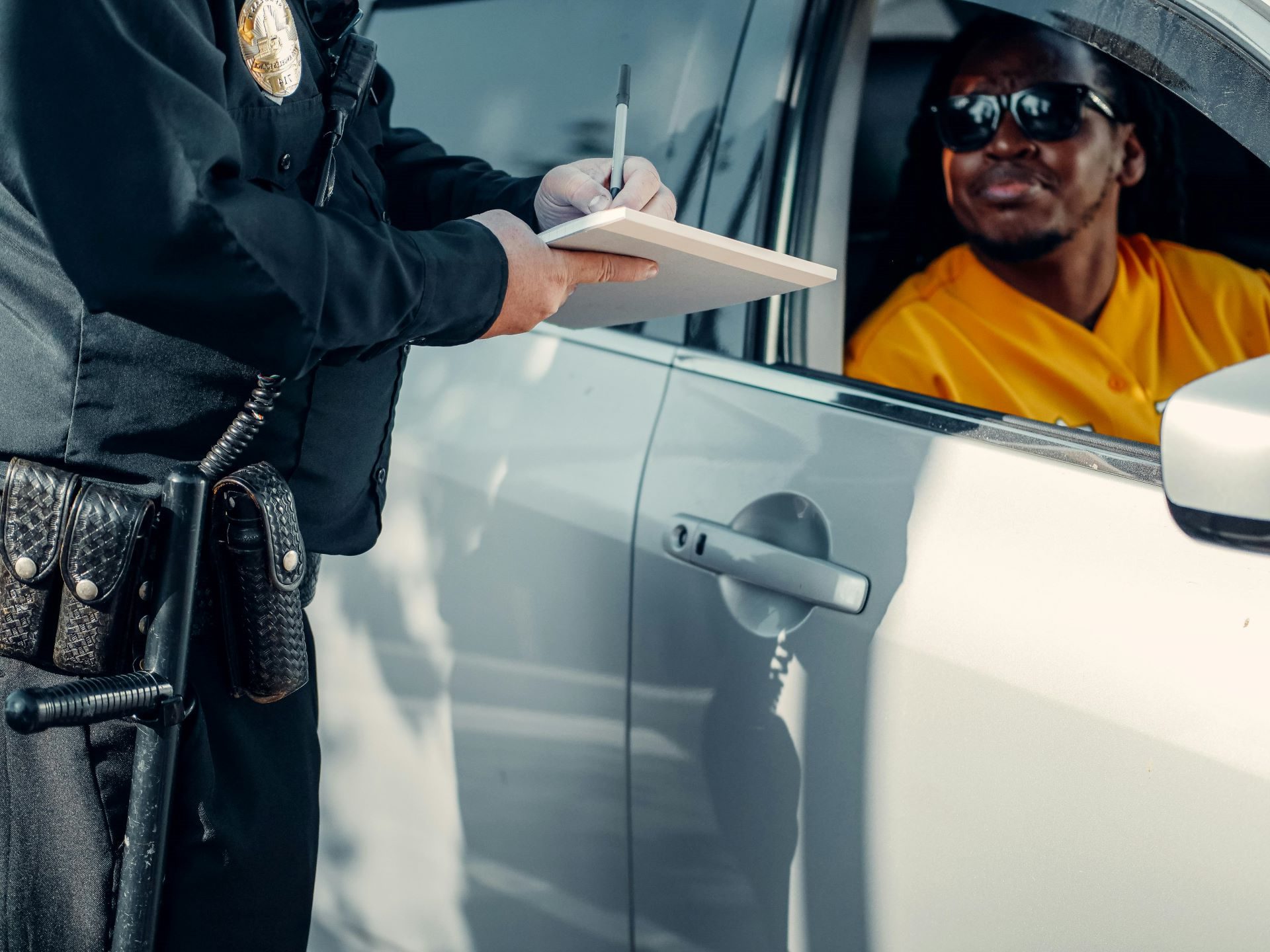
The Need for Rigorous Enforcement
What, then, is the answer to a persistently high rate of road fatalities? According to industry experts, the focus should shift from merely adjusting speed limits to enhancing the enforcement of existing laws. Consistent and stringent enforcement, coupled with severe penalties, is essential in changing driver behavior.
Currently, the system permits drivers to evade serious consequences unless they are arrested and convicted, a process often complicated by the possibility of bribery. Herbert points out that while license suspension or revocation is on the table for repeat or egregious offenders, the reality is that many motorists escape with only monetary fines. “The legislation is in place—the issue is the mindset,” he asserts. Until drivers face tangible consequences every time they choose to speed, the cycle of risky behavior is likely to continue.
A Future with Tougher Consequences?
The anticipated AARTO Bill may bring about significant changes if it overcomes its legislative hurdles. Much of its focus appears destined to be on imposing harsher penalties for speeding, potentially changing the equation for high-risk drivers. However, Herbert cautions that until such measures are fully implemented and effectively enforced, the combined efforts of government resources and individual responsibility remain the best tools for improving road safety.
Lowering speed limits might seem like an attractive quick fix for reducing road fatalities in South Africa. However, as MasterDrive CEO Eugene Herbert illustrates, the core challenge lies in altering a culture of non-compliance among the most dangerous drivers. Without stringent enforcement and real consequences for speeding, minor adjustments to speed limits will have little impact on the high number of preventable deaths and injuries on South African roads. The true solution calls for a comprehensive approach—one that combines legislative reform with a fundamental shift in driver behavior.
Comments
Newest firstLoading comments…