




As the Festive Season draws to a close, many of us find ourselves navigating busy roads during long holiday journeys. This period serves as a timely reminder to prioritize eye care—not just for our health but also for our safety. Eye Care Awareness Month recently highlighted the importance of maintaining good eye health, particularly while driving. Prolonged exposure to sunlight and glare can have serious implications, both immediately and over time.
The Vision Council of America warns that the sun is one of the most underestimated risks drivers face. Eugene Herbert, CEO of MasterDrive, emphasizes this: “Eye care within vehicles should be given as much attention as any other risk. Long-term, it can significantly impact your vision while also posing a daily danger to driver safety. Think of a time you rounded a corner and were suddenly blinded by the sun—it can take up to five seconds to recover full vision. That’s the same amount of time you’re distracted when looking at your phone.”
To ensure your safety and protect your eye health, follow these practical tips for driving in various conditions:
- Invest in Polarized Sunglasses
Polarized sunglasses can significantly reduce glare, enhancing your visibility and protecting your eyes from long-term damage caused by UV rays. For those who wear prescription glasses, consider investing in prescription sunglasses for added convenience and clarity. - Prepare for Known Trouble Spots
If you drive the same route frequently, identify areas where sun glare is particularly problematic. Adjust your sun visors ahead of time to shield your eyes during these stretches. - Keep Your Windscreen Clean
A dirty windscreen can magnify glare and distort visibility. Clean both the inside and outside regularly. Also, address scratches, cracks, and chips, as they can catch sunlight and further impair your vision. - Take Regular Breaks
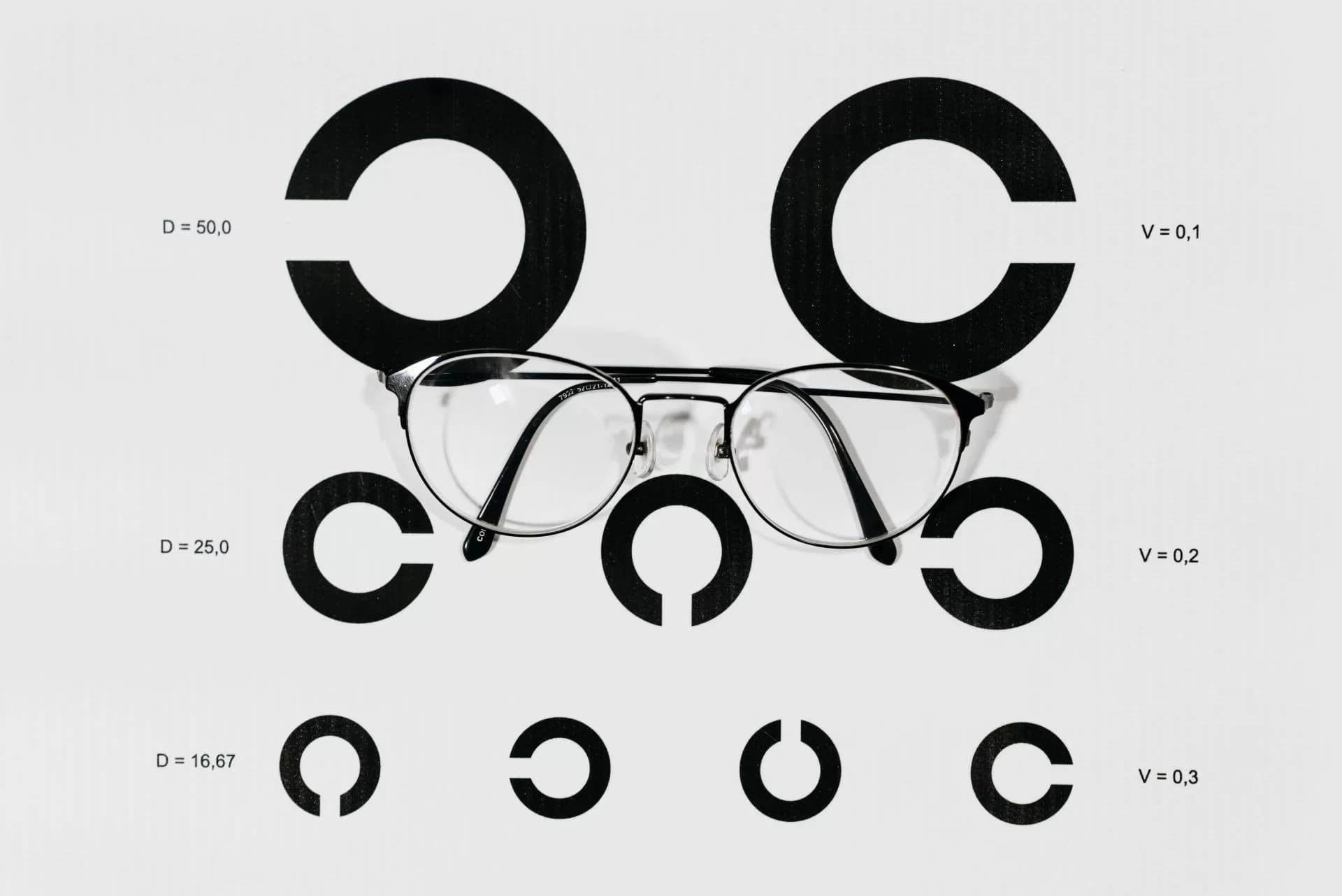
Driving for extended periods can strain your eyes, especially in sunny conditions. Take breaks to rest your eyes and avoid fatigue, which can compromise both safety and comfort. - Schedule Routine Eye Tests
Undergo an eye test annually or at least every two years to ensure optimal vision. Remember, passing a driving license eye test only confirms your vision meets minimum standards—it’s not a guarantee of optimal eye health. - Be Proactive About Night Driving
To minimize the effects of headlight glare, look slightly to the left of oncoming traffic. Glasses with an anti-reflective coating can also help reduce glare. However, avoid wearing sunglasses or yellow-tinted lenses at night, as these can further limit your visibility. - Monitor Overall Eye Health
Regular health screenings can detect underlying conditions like diabetes or hypertension, which may affect your vision. Early detection is key to managing such issues effectively.
By incorporating these simple yet effective practices into your driving routine, you can not only enhance your safety on the road but also protect your vision for the long term. As Herbert aptly concludes, “Following these steps can play a significant role in reducing risk on the road and ensuring the care of your eye health for years to come.”
Take the time to prioritize your eye care—it’s an investment that ensures clearer, safer journeys ahead.
Comments
Newest firstLoading comments…