



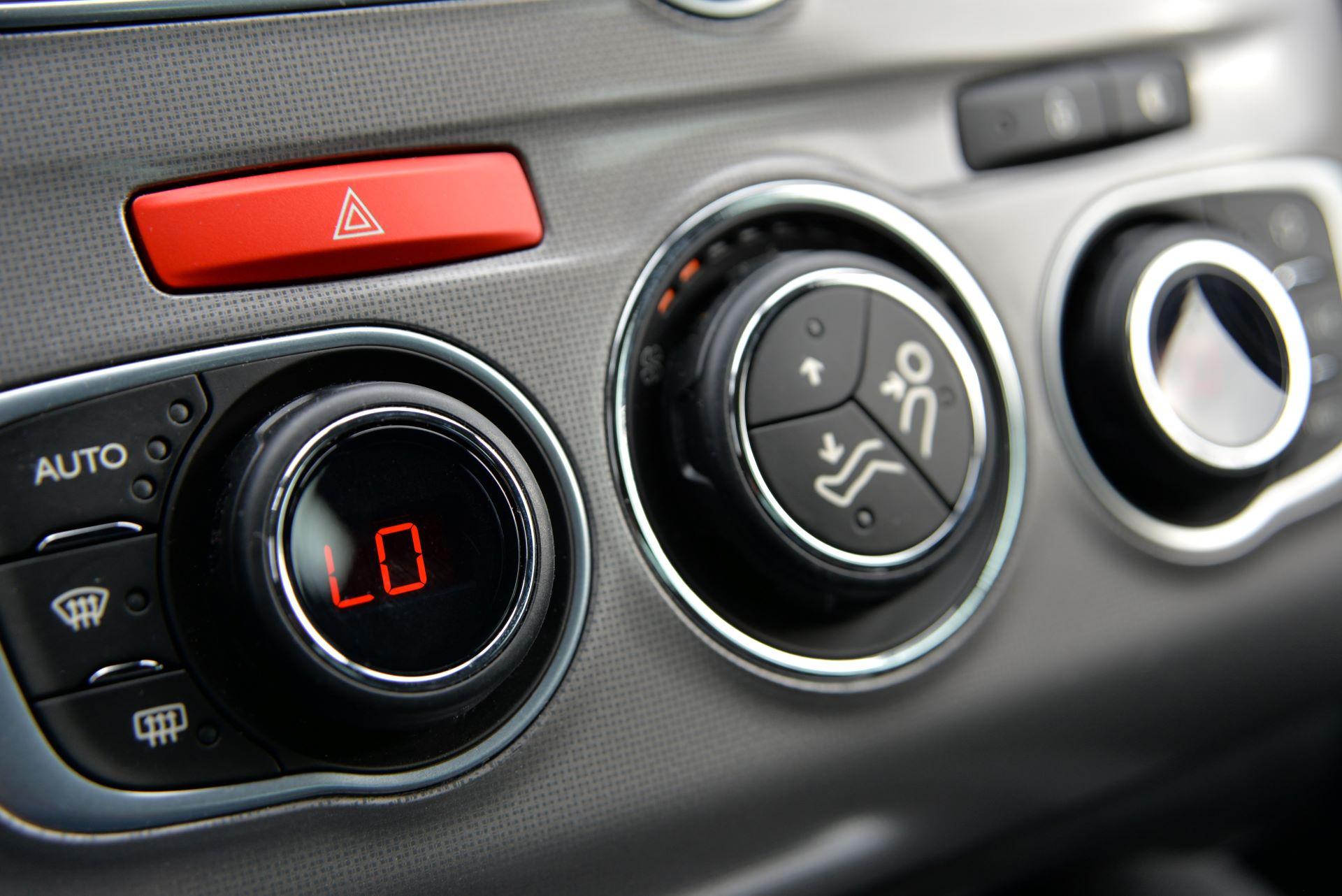
In a welcome shift back to simplicity, UK breakdown provider Start Rescue has come out in strong support of the return of physical dashboard buttons in modern vehicles—an approach increasingly being embraced by leading car manufacturers in response to safety concerns and driver feedback.
With touchscreens now dominating automotive interiors, performing basic functions like adjusting climate controls or demisting a windscreen can require multiple taps and swipes through on-screen menus. Safety experts have warned this increases eyes-off-road time and contributes to driver distraction. The issue is serious enough that Euro NCAP will enforce new testing protocols in 2026, requiring physical buttons for essential in-car functions.
“We’re receiving more and more calls from customers experiencing touchscreen issues that disrupt their journeys,” says Lee Puffett, Managing Director of Start Rescue. “Screens freezing or buttons failing to respond can lead to panic, with drivers fearing a wider system failure. In many cases, the solution could be as simple as bringing back traditional buttons.”
Start Rescue, which operates a 24/7 UK support centre, reports a noticeable uptick in call-outs where touchscreen malfunctions—such as frozen displays or unresponsive interfaces—are to blame. These seemingly minor issues can leave drivers unable to activate critical features or navigate digital dashboards, forcing them to pull over and seek roadside assistance.
Compounding the issue, some drivers are also reporting problems with Advanced Driver Assistance Systems (ADAS), including sudden steering wheel vibrations triggered by lane-keep assist or drowsiness detection systems. While designed to improve road safety, these alerts can feel intrusive or confusing when they’re not clearly explained or customisable.
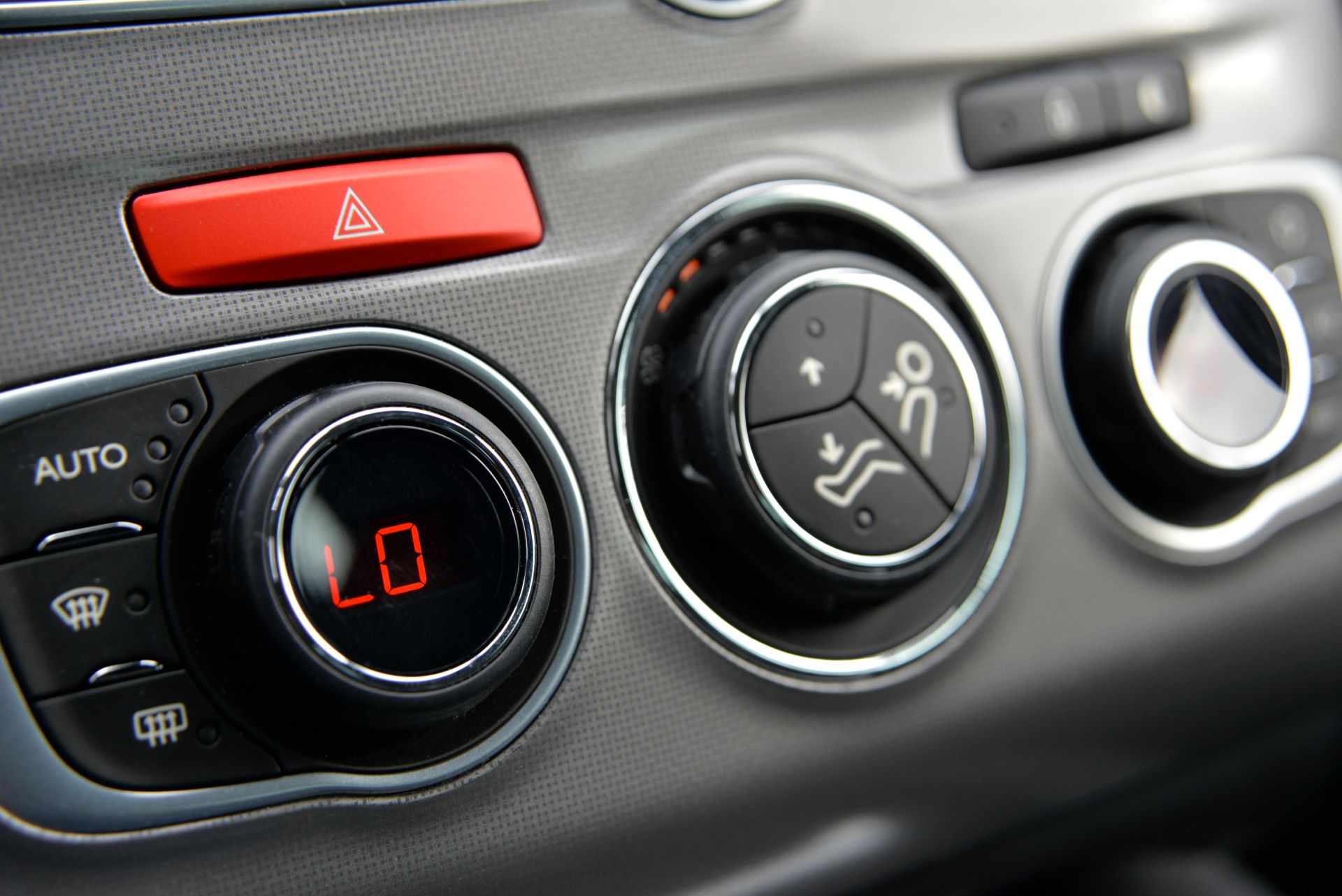
Stuart Masson, Editorial Director of The Car Expert, a leading authority on new and used vehicles in the UK, agrees that a balanced approach is essential. “The good news is that manufacturers are responding,” he says. “Several important new models we’ve tested recently have reintroduced buttons in thoughtful positions, which is a direct response to customer feedback.”
“Drivers are also gaining more control over how and when alerts are activated,” Masson continues. “The ability to store personal settings and reduce unwanted notifications is a significant step forward in improving the driving experience.”
In response to the growing complexity of in-car technology, Start Rescue is urging manufacturers to take a more considered, user-friendly approach. The company has outlined key recommendations:
- Embrace hybrid dashboards that combine intuitive touchscreens with tactile, physical controls.
- Keep safety-critical functions front and centre, never hidden behind multiple menu layers.
- Offer fully customisable driver alerts, with the ability to tailor ADAS notifications to individual preferences.
- Improve software reliability to minimise screen lag, freezing and general unresponsiveness.
“Ultimately, drivers should feel confident—not confused—behind the wheel,” Puffett concludes. “Technology should assist, not obstruct. The move back to buttons isn’t about going backwards; it’s about moving forward in a safer, smarter way.”
Start Rescue continues to uphold industry-leading standards, holding a 4.6-star rating on Trustpilot, a prestigious five-star Defaqto rating, and Which? Recommended Provider status for six consecutive years. The provider also secured top honours in the Finder Customer Satisfaction Awards 2024, with a 94% recommendation rate and an outstanding 4.9 out of 5 overall satisfaction score.
For independent advice on buying and selling cars, as well as expert reviews and motoring insights, visit www.thecarexpert.co.uk.


