




In a bold response to climate change and resource conservation, Renault Group is pushing boundaries in the automotive industry, setting ambitious goals to lead the way in low-carbon mobility. Guided by its Renaulution strategic plan, the Group targets carbon neutrality in Europe by 2040 and globally by 2050. Integral to this mission is Ampere, Renault’s innovative electric vehicle division, which aims to achieve full carbon neutrality by 2035. This move reflects Renault Group’s commitment to a comprehensive, ecosystem-based approach to sustainable vehicle production.
Ampere’s Ecosystemic Approach to Decarbonisation
Renault’s approach to decarbonisation is holistic. With Ampere as the spearhead, Renault’s commitment goes beyond creating eco-friendly vehicles—it extends across all aspects of design, production, and life cycle management, aligning with stringent “cradle-to-grave” sustainability standards. This approach incorporates five critical areas: eco-design, sustainable resource selection, efficient manufacturing, energy-conscious use, and end-of-life recyclability. Ampere’s ethos is that each of these elements must work together to reduce the overall carbon footprint.
Renault Emblème: Redefining the Eco-Friendly Family Car
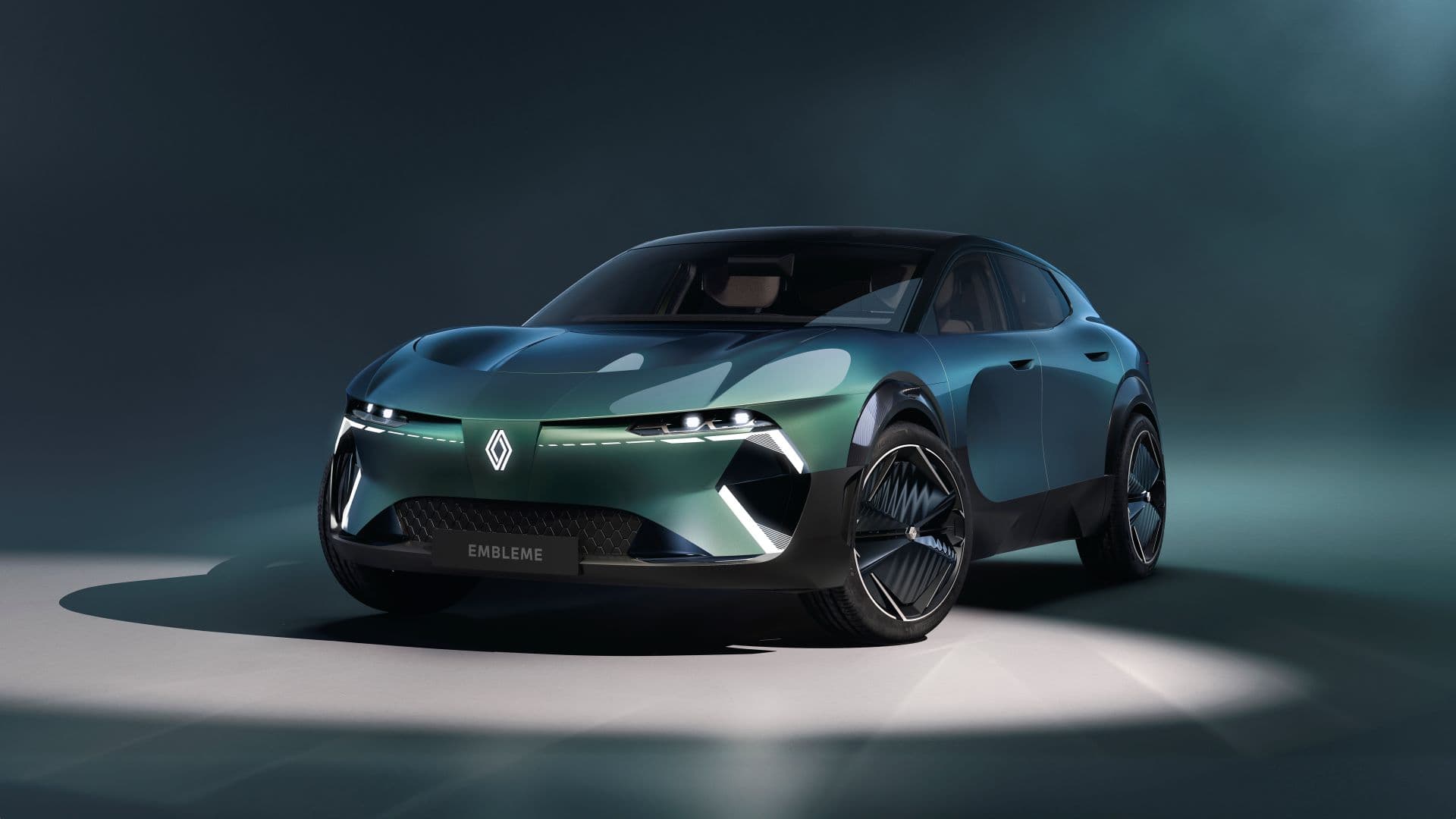
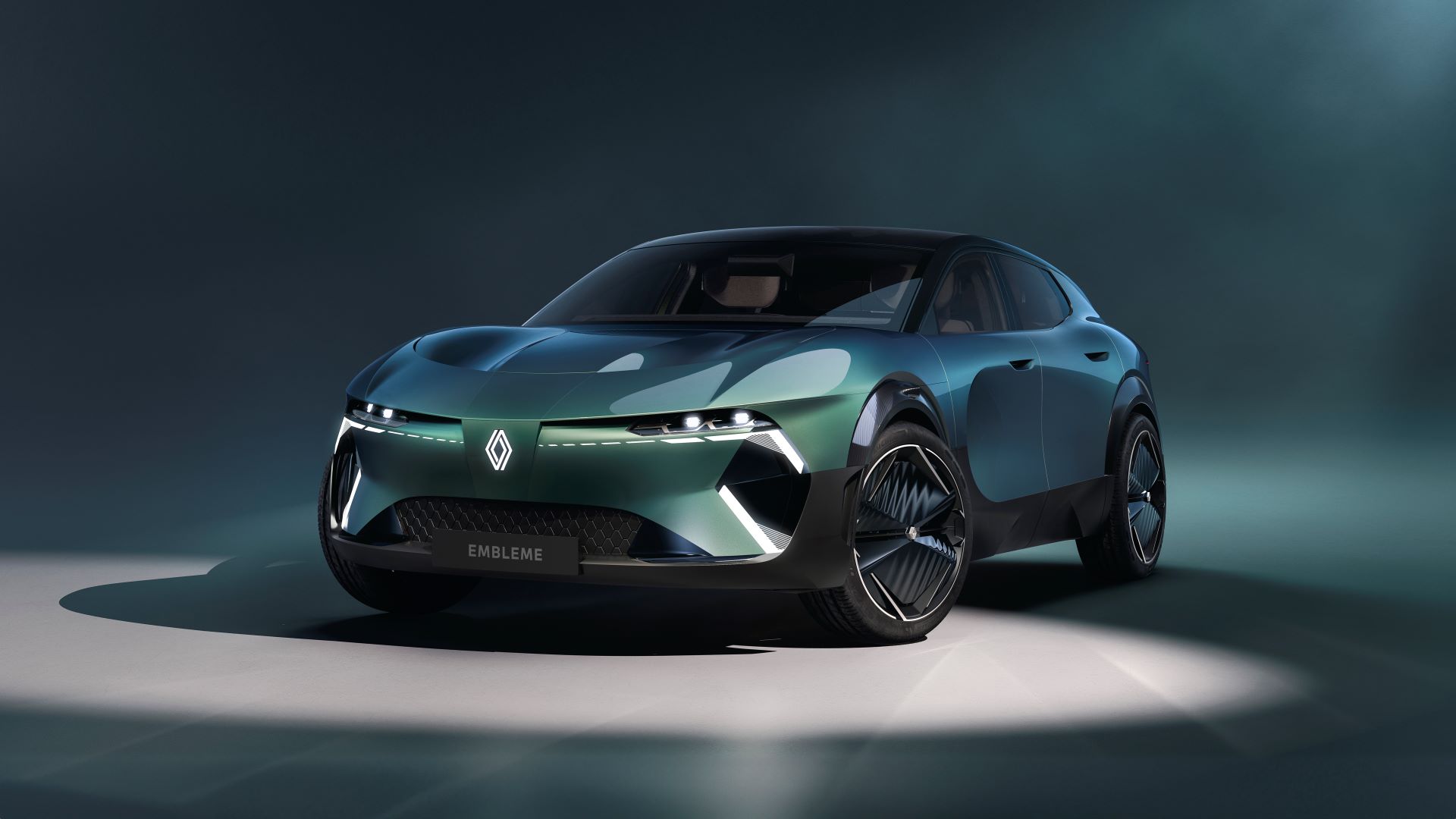
The Renault Emblème, a stunning example of Ampere’s vision, was revealed at Mondial de l’Auto 2024 as a “head-to-toe” decarbonised family vehicle. Emitting 90% less CO₂ over its life cycle than a traditional vehicle, Emblème is a powerful demonstration of how far eco-innovation can go. This groundbreaking vehicle is a real-world prototype, not a mere concept, designed with a spacious, comfortable interior and high-tech features that harmoniously integrate sustainability with modern family needs.
Eco-Design and Technological Innovation
In line with its environmental objectives, every aspect of the Renault Emblème’s design is optimised for sustainability. The car’s eco-design principles achieved a 70% reduction in the carbon footprint of its components, largely due to innovative use of materials. The vehicle incorporates 50% recycled materials, with nearly all materials recyclable at the end of life, showing Ampere’s dedication to circular economy principles.
Renault Emblème’s aesthetics combine elegance with aerodynamics. This 4.8-metre-long shooting brake model offers generous interior space, ideal for families, while maintaining a sophisticated profile. The cabin features a sleek, innovative openR panorama screen, which stretches across the dashboard and is powered by advanced 8K technology. Designed to provide intuitive controls, the cabin’s minimalist approach—what Renault calls “Shy Tech”—ensures an immersive and relaxed driving experience.
A Battery and Supply Chain with a Low-Carbon Footprint
At the core of Emblème’s eco-friendly design is its battery, created with an extensive low-carbon supply chain that prioritises traceability. Renault Group’s partnerships, such as with Terrafame for sustainable nickel and Vulcan Energy for Zero Carbon Lithium™, secure a steady supply of essential materials while ensuring low-carbon extraction methods. By 2030, Renault aims to produce new batteries with up to 80% recycled materials, reinforcing its commitment to a sustainable future.
Rethinking Interior Materials for Maximum Recyclability
Renault’s approach to the interior of the Emblème reflects a deep commitment to innovation and sustainability. Polyester, used extensively within the car, is crafted from recycled materials, allowing it to be reprocessed efficiently. Even the colours in the cabin are achieved through a sustainable method known as additive synthesis, weaving four basic coloured threads to create a spectrum of 62 shades without the use of dyes, reducing CO₂ emissions. The seats are upholstered in biocircular foam, derived from biological waste, while the dashboard is made from linen produced in Normandy, a renewable resource that also serves as a carbon sink.
The Future of Safe, Efficient Driving with AI and Advanced Features
Renault Emblème integrates artificial intelligence to support both safety and efficiency. The car’s sophisticated driver assistance systems adapt to driving conditions and provide real-time eco and safety scores to encourage optimal driving behaviours. By analysing driving patterns, the Emblème’s AI supports energy-efficient journeys and offers recommendations for improvement. Emblème’s suite of apps, similar to those found in fitness devices, helps drivers track and improve their driving, while also offering rewards for sustainable practices.
Ampere’s Vision for the Future: Setting Clear Goals
Renault Group’s vision for sustainable mobility doesn’t stop with the Emblème. By 2030, Renault aims to increase the recycled content of its vehicles to 33% by weight, while reducing procurement-related CO₂ emissions per vehicle by 30%. Renault also aims to increase recycled material use, targeting 55% for steel, 60% for glass, and 82% for flat aluminium by 2035. These initiatives, together with Ampere’s dedication to technological innovation, position Renault Group at the forefront of sustainable automotive practices.
The Renault Emblème encapsulates the future of sustainable family transportation, balancing environmental responsibility with cutting-edge technology. As an embodiment of Renault’s “La Nouvelle Vague” design philosophy, it is both a beacon of innovation and a practical solution to the challenges of the modern world. The Emblème’s low-carbon, high-tech design not only sets a new standard for eco-friendly vehicles but also exemplifies Renault Group’s commitment to a truly sustainable future. This visionary model serves as proof that, with Ampere leading the charge, Renault Group is poised to make significant strides in decarbonising mobility worldwide.
Comments
Newest firstLoading comments…