




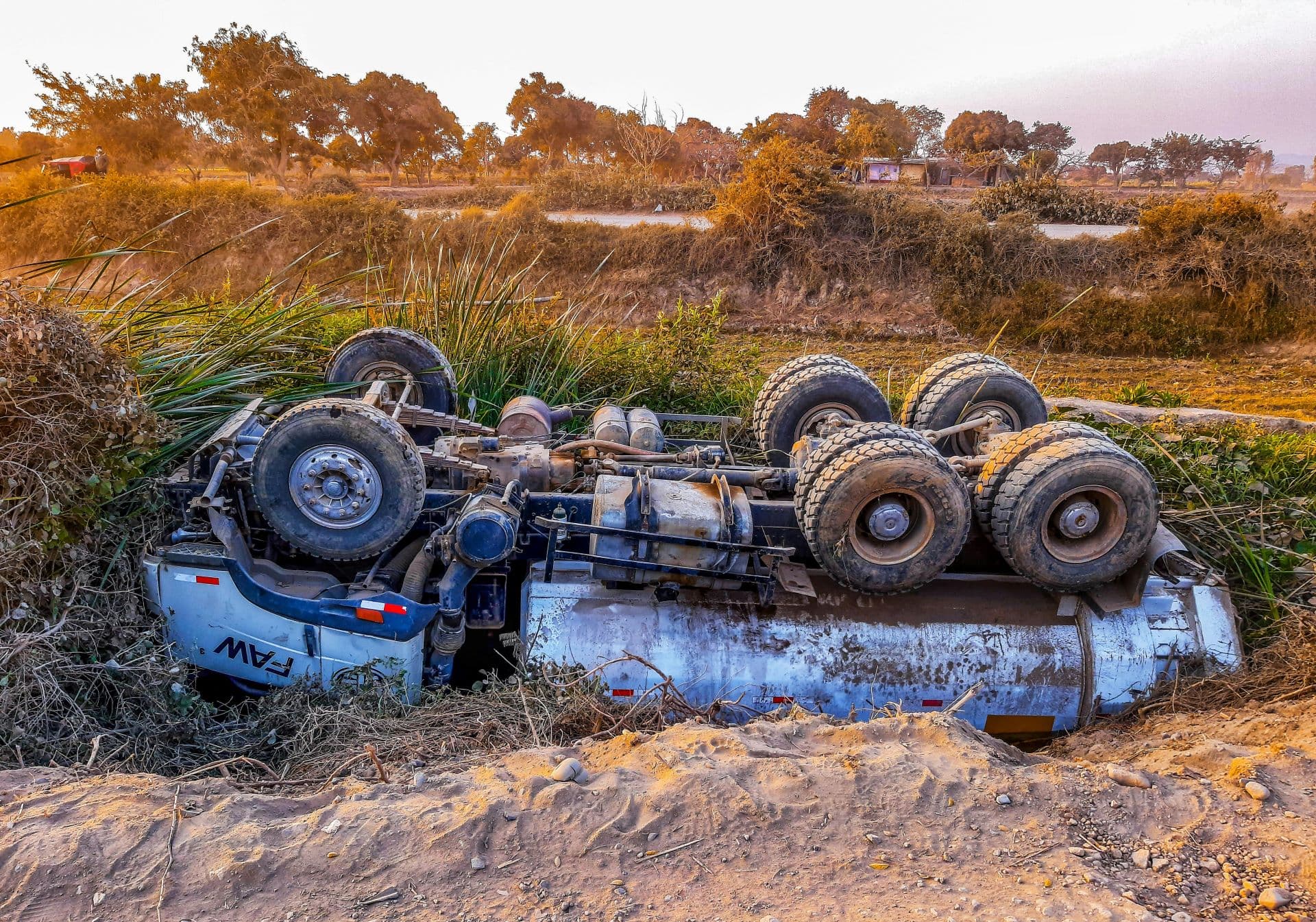
Truck rollovers are one of the most catastrophic and costly incidents that can occur on the road. While human error is frequently cited as a leading cause, environmental and road factors also play a critical role in these accidents. With the financial repercussions of a single rollover potentially soaring into the millions, fleet managers must adopt a comprehensive approach to mitigating risks.
Eugene Herbert, CEO of MasterDrive, emphasises the gravity of the issue:
“When passenger vehicles are involved, consequences can be significantly more devastating due to size differences. Even if the crash involves another truck, loss of life is still common. Additionally, a truck rollover often results in the loss of cargo, expensive repairs or replacements to rigs, time off for injured drivers, and cleanup costs—expenses that far surpass those of passenger vehicle crashes.”
Given these severe consequences, fleets cannot afford to overlook any scenario that jeopardises the safety of drivers, vehicles, and cargo. Below, we explore some of the primary environmental and road factors contributing to rollovers and how fleet managers can prepare drivers to navigate these challenges effectively.
1. Rural Roads: Hidden Hazards
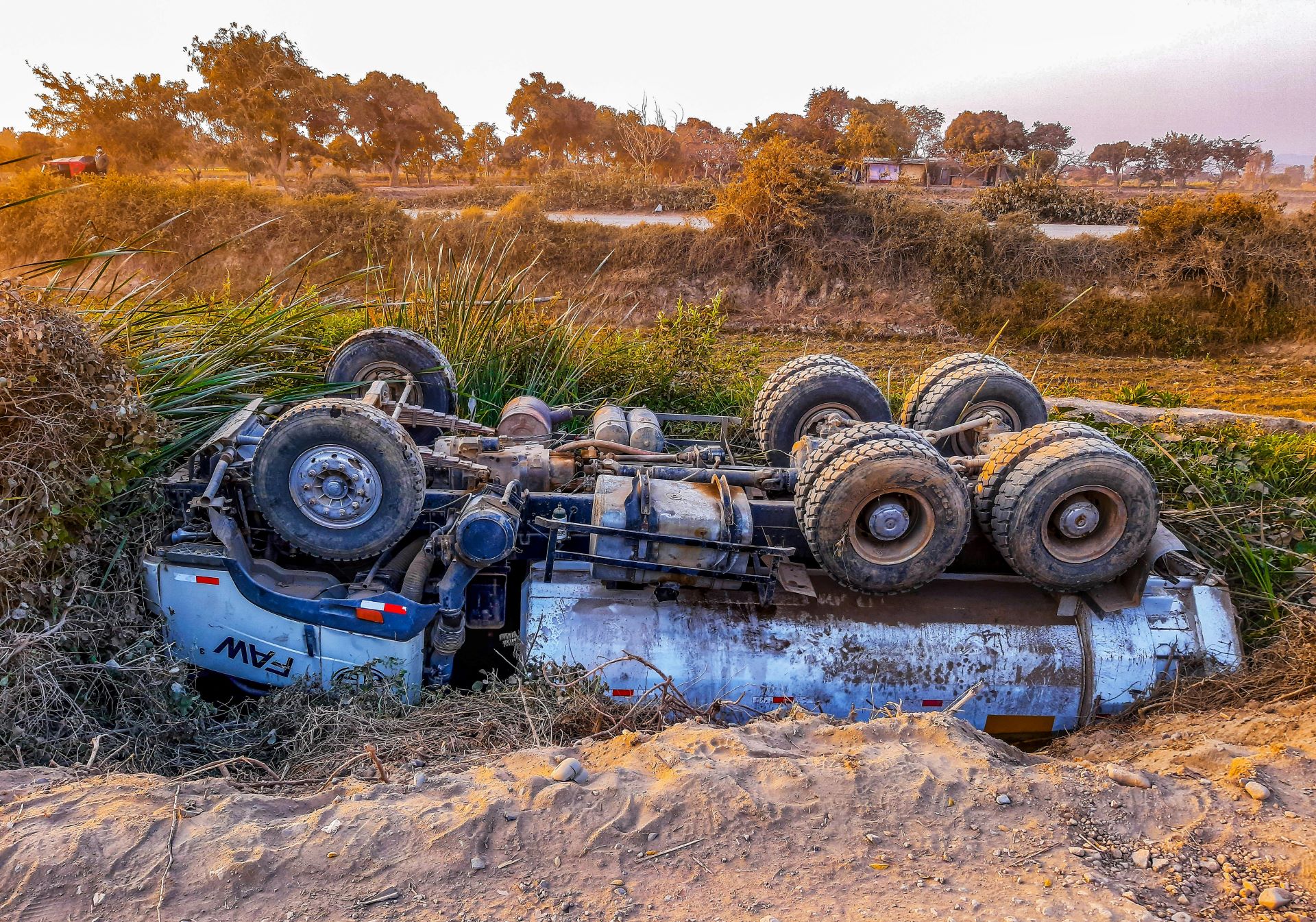
According to U.S. statistics, three-quarters of truck rollovers occur on rural roads. These routes, often lacking centre barriers, present unique dangers. In South Africa, rural roads pose additional challenges, including:
- Potholes: Striking or attempting to avoid a pothole can cause a sudden correction, increasing the risk of a rollover due to a truck’s high centre of gravity.
- Pedestrians and Animals: Unpredictable movements can force drivers into rapid maneuvers.
- Ineffective Infrastructure: Poor road markings and malfunctioning traffic lights add to the complexity of navigating these roads.
While trucks primarily use highways, rural roads are often unavoidable during the final stages of a journey. Fleet managers should train drivers to anticipate these hazards, ensuring they are prepared to handle sudden obstacles with precision and caution.
2. Sloping Roads: A Subtle Threat
Even minor slopes can significantly increase the likelihood of a rollover. Research by the U.S. Transportation Research Board reveals that the risk of a rollover is nine times higher on sloping roads, with crashes on such terrains often being twice as severe.
Drivers need to understand that slopes require careful assessment and should exercise extreme caution when navigating these areas. Fleet managers can support their teams by providing simulations and training that reinforce the potential dangers of misjudging slopes, even for seasoned professionals.
3. Adverse Weather: Unpredictable Conditions
The U.S. Federal Motor Carrier Safety Administration reports that nearly 27% of truck crashes occur during adverse weather conditions. While South Africa may experience less extreme weather than the U.S., factors such as heavy rain, strong winds, and poor visibility can still create dangerous driving scenarios.
To mitigate weather-related risks, fleet managers should:
- Conduct Pre-Trip Inspections: Focus on tyre condition, brake functionality, and load security.
- Promote Defensive Driving: Train drivers to adjust their speed and following distances based on the weather.
- Implement Technology: Equip trucks with advanced safety features, such as anti-lock braking systems (ABS) and electronic stability control (ESC), to enhance stability in slippery conditions.
Empowering Drivers: A Shared Responsibility
While external factors contribute significantly to truck rollovers, a well-prepared driver remains the most critical defence against accidents. Organisations must invest in training programs that equip drivers with the skills and knowledge to handle diverse road challenges.
By proactively addressing all potential risks—human, environmental, and infrastructural—fleet managers can not only reduce the likelihood of rollovers but also protect lives, safeguard cargo, and minimise financial losses. In an industry where every journey carries significant stakes, a holistic safety strategy is not just beneficial; it’s essential.
Comments
Newest firstLoading comments…