



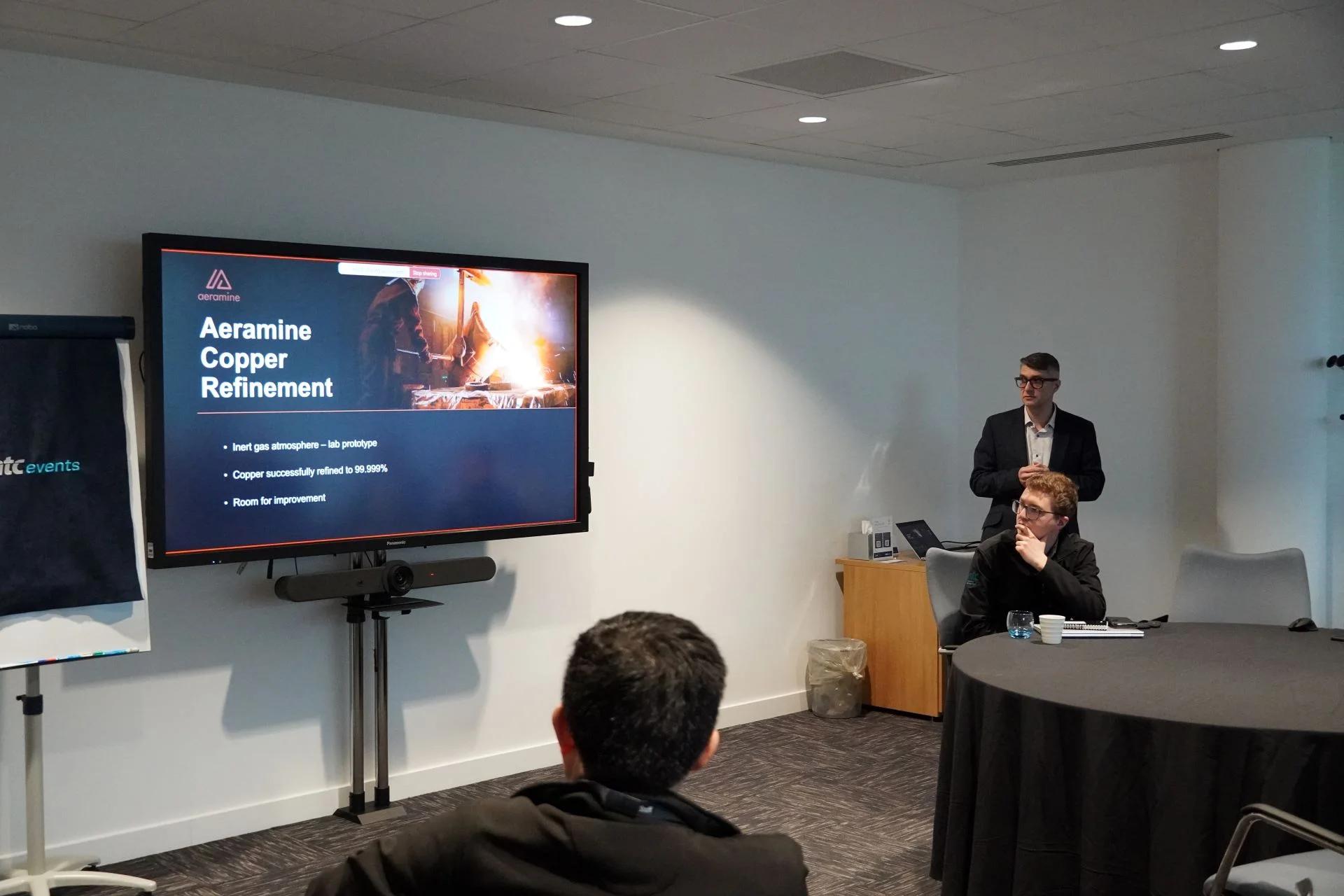
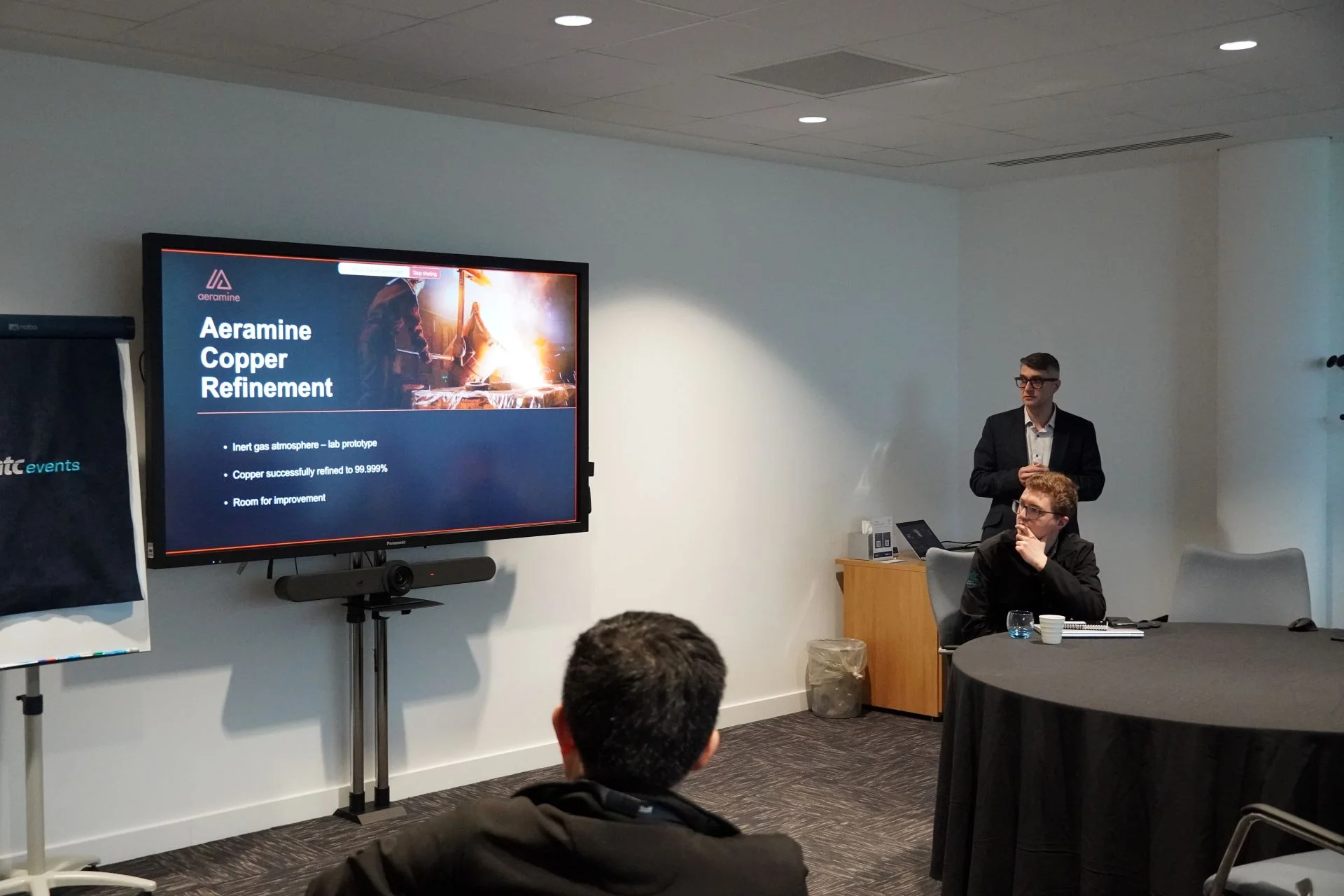
In a major leap forward for the UK’s sustainable manufacturing ambitions, Aeramine, in collaboration with Phoenix Scientific Industries (PSI), the Manufacturing Technology Centre (MTC), and other strategic partners, has successfully concluded the Pure CuRE (Pure Copper Resource Efficiency) project. Backed by £1 million in funding from Innovate UK, this 16-month initiative has delivered groundbreaking advancements in the recycling of waste copper into ultra-high purity powder feedstock—positioning the UK at the forefront of circular manufacturing for high-performance applications.
Redefining Copper Recycling
At the core of the Pure CuRE project lies a mission to address two pressing industrial needs: reduce reliance on virgin copper imports and minimise the environmental impact of copper waste. Through a series of advanced processes—consolidation, vacuum refining, atomisation, and oxygen reduction—the project has successfully transformed end-of-life copper into market-ready material with a purity of up to 99.997%.
One of the most notable outcomes is the development of a scalable, cost-effective process to produce high-purity copper powder suitable for demanding applications across sectors such as aerospace, medical engineering, advanced electronics, and clean energy systems.
Key Technological Breakthroughs
1. Cost-Effective Consolidation
The Manufacturing Technology Centre (MTC) identified briquetting as the most economical method for consolidating copper waste. This process enables the production of copper at competitive prices between £15 and £20 per kilogram—delivering 99.9% purity without compromising on quality.
2. Ultra-Pure Refinement with Energy Savings
Aeramine’s vacuum induction melting technology played a pivotal role in refining copper to 99.997% purity. This state-of-the-art process also achieved over 50% energy savings compared to conventional refining techniques—marking a milestone in sustainable metallurgy.
3. Advanced Atomisation and Oxygen Control
Phoenix Scientific Industries (PSI) successfully atomised the refined copper feedstock, reducing oxygen content from 250 ppm to just 100 ppm. Further processing using PSI’s fluidised bed technology pushed oxygen levels down to an industry-leading 40 ppm—producing ultra-low oxygen powders critical for high-spec applications.
4. Additive Manufacturing Readiness
To validate the material’s industrial potential, MTC carried out successful demonstrations using Laser Powder Bed Fusion (PBF-LB) and Cold Spray Additive Manufacturing (CSAM). The results proved that recycled copper powder could meet the stringent requirements for components in heat exchangers, aerospace systems, and electric vehicles.
Paving the Way for a Circular, Low-Carbon Future
The implications of the Pure CuRE project extend well beyond copper. By establishing a fully UK-based supply chain for high-purity copper, the initiative not only enhances national resource security but also lays the groundwork for similar processes to be applied to rare earth elements and other high-value materials.
Alex Lapis, co-founder and managing director of Aeramine, noted:
“Our vacuum refinement technology has proven its capability to deliver ultra-high purity copper efficiently. We’re excited to scale this innovation and explore its application in other metals.”
Dr Tom Rehaag, research and technology manager at PSI, added:
“PSI’s versatile fluidised bed technology enables production of ultra-low oxygen powders for the most demanding applications, and offers an invaluable solution for powder users to rejuvenate old out-of-spec powders back to as-new condition.”
Dr Steven Hall, materials technology specialist at MTC, remarked:
“Pure CuRE has demonstrated a major advancement in upcycling scrap copper into high-purity formats, supporting the creation of a fully circular UK-based supply chain. This provides a fantastic opportunity for UK industry to leverage high-purity copper in applications such as electrification and nuclear fusion.”
Looking Ahead: Commercialisation and Expansion
With the technical proof of concept firmly established, the Pure CuRE consortium is now focused on scaling up production, optimising processing efficiencies, and forming commercial partnerships to bring this technology to market. Over the next decade, the team aims to revolutionise copper recycling and extend its sustainable innovations to other critical materials.
In a world increasingly defined by the need for resource efficiency and clean energy, Pure CuRE represents not just a technological success—but a blueprint for how science, industry, and innovation can converge to create a more sustainable future.


