



Forklifts play a critical role in various industries, from warehouses to factories, and even in large-scale supermarkets. These powerful machines are indispensable for moving heavy loads and streamlining operations. However, their widespread use also brings a significant risk of accidents, some of which can have severe consequences. International statistics reveal that while forklifts account for just 1% of workplace incidents, they contribute to a staggering 11% of serious accidents. This alarming statistic underscores the need for stringent safety measures in any environment where forklifts are in operation.
The State of Forklift Safety in South Africa
In South Africa, regulations are in place to mitigate the risks associated with forklift use. Yet, despite these regulations, accidents continue to occur. Eugene Herbert, CEO of MasterDrive, a leading driver training company, emphasizes the importance of taking additional steps to ensure forklift safety. “Taking additional effort to increase forklift safety is essential. This is not only for the drivers but the people one comes into contact with who do not have forklift certification or know how to safely behave around these machines,” says Herbert.
Key Safety Measures to Implement
To enhance forklift safety, organizations must prioritize comprehensive safety strategies that extend beyond mere compliance with regulations. Below are several crucial safety tips that should be integrated into every company’s forklift safety protocol:
Equipment Checks Before Each Use: Conducting thorough equipment checks before each use should be a standard policy. Operators must be required to notify management immediately about any damages or issues to prevent potential accidents.
Mandatory Protective Gear: All personnel working in environments where forklifts are in operation should be mandated to wear appropriate protective gear. This includes not only the operators but also any individuals who may come into close contact with the forklifts.
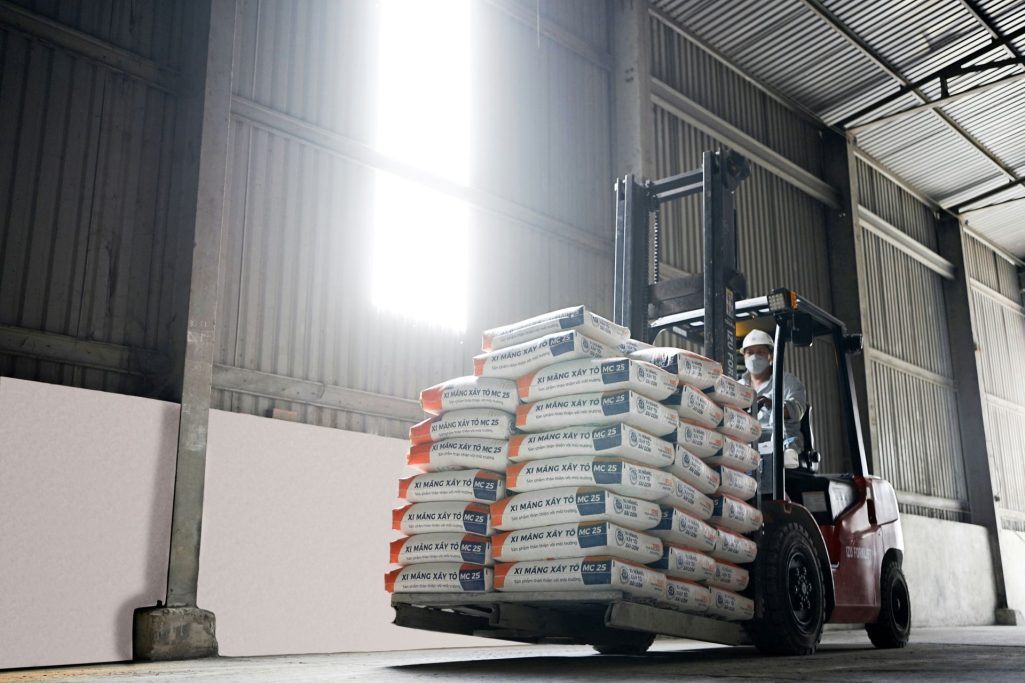
Always Use the Safety Belt: One of the leading causes of injuries in forklift accidents is the failure to use the safety belt. It is imperative that operators always buckle up before operating a forklift.
Use of Hooter to Signal Presence: Operators should use the hooter to make their presence known, especially in areas where others might not be aware of the forklift’s approach or are unfamiliar with working around these machines.
Adhere to Weight Capacity Limits: Overloading a forklift can significantly increase the risk of it tipping over. Operators must never exceed the weight capacity of the forklift to maintain stability and prevent accidents.
Proper Parking Procedures: Incorrect parking is another common cause of forklift accidents. Operators should follow a specific process when parking the forklift, including lowering the forks, engaging the parking brake, setting the controls to neutral, and using wheel blocks if necessary.
Caution on Ramps: Ascending or descending ramps can be particularly hazardous if not done correctly. Operators should be well-trained on proper ramp navigation to avoid accidents.
Regular Maintenance: Routine maintenance of forklifts is crucial to avoid preventable accidents. This includes checking for wear and tear, ensuring that all parts are functioning correctly, and addressing any issues promptly.
Cleanliness and Removal of Hazards: Forklifts should be cleaned regularly, with a focus on removing oil and grease that could cause slippage or other accidents.
Raising Awareness Among Floor Staff: Awareness levels of those on the floor should be raised regarding the presence of operating forklifts. This can be achieved by using corner mirrors, floor markings, and signage. In public settings, areas around where the forklift is operating should be clearly demarcated to prevent individuals from coming too close.
The Imperative of Forklift Safety
The statistics clearly demonstrate the critical importance of forklift safety. “Ultimately, the significance cannot be emphasized enough. MasterDrive, in its training of drivers, has noticed the need for more awareness around lift truck training. Consequently, MasterDrive is open to consultation on any matters involving driver training in this sphere,” says Herbert.
By implementing these safety measures and fostering a culture of vigilance, organizations can significantly reduce the risk of forklift-related accidents, safeguarding both their employees and their operations.


