




As children across the UK return to school, road safety is once again in the spotlight. GEM Motoring Assist, a respected breakdown and road safety organisation, is urging parents, guardians, and children to prioritise their safety on the daily journey to and from school. With over 30 children killed or seriously injured each week on the UK’s roads, the start of the academic year provides a timely reminder of the dangers that exist and the steps we can all take to reduce the risks.
Raising Awareness of Road Safety
The importance of teaching children how to navigate roads safely cannot be overstated. From toddlers learning the basics of pedestrian safety to teenagers preparing to drive, understanding how to use the roads responsibly is a life-saving skill. However, as GEM’s head of road safety, James Luckhurst, points out, road collisions remain one of the leading causes of accidental death among children.
“Every child needs to learn how to use the roads safely, whether walking, cycling, or later driving,” says Luckhurst. “But road collisions continue to be a leading cause of accidental death for children, and we know they can result in life-changing injuries. That’s why it’s crucial that we all take responsibility for our own safety and the safety of the children we share the roads with.”
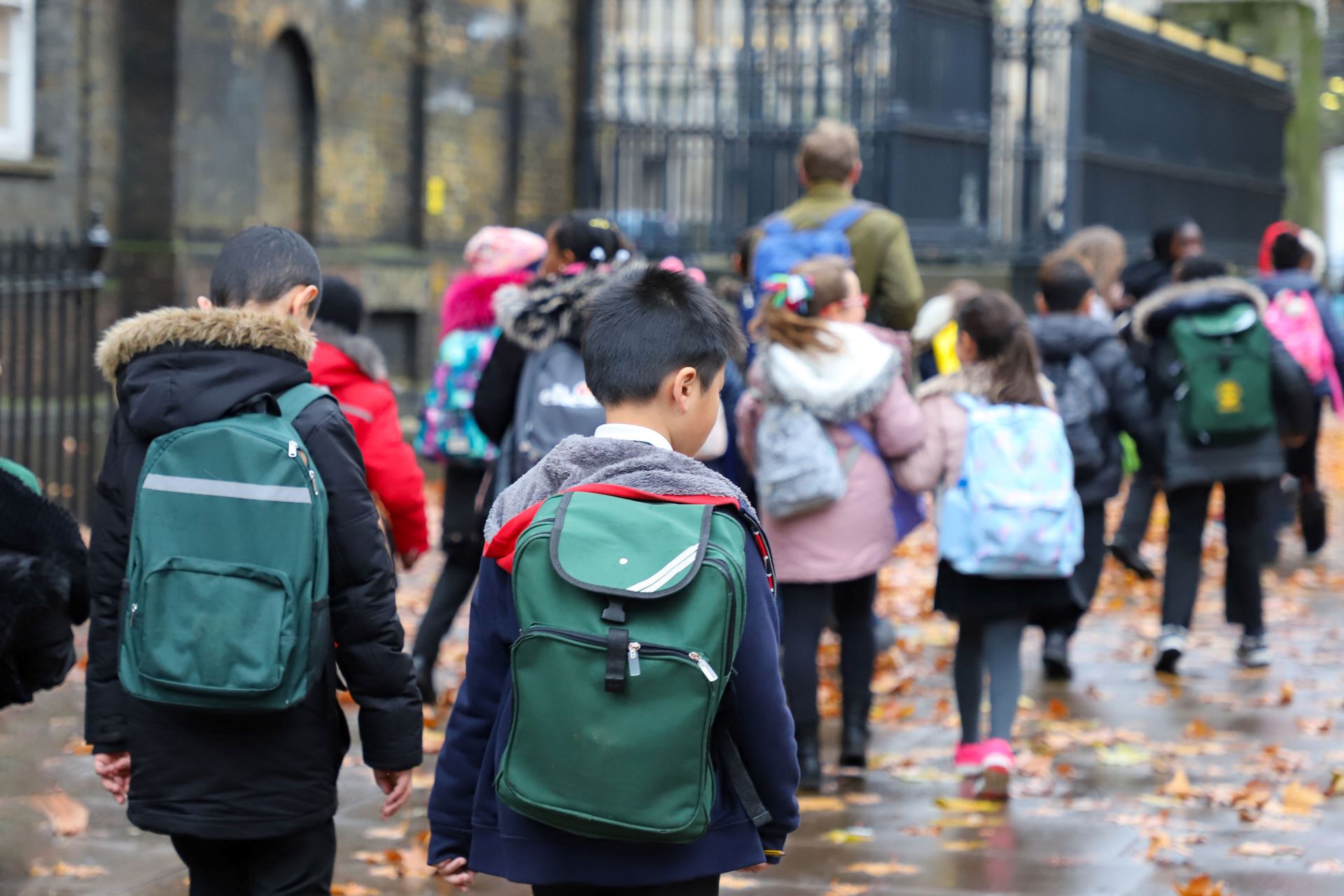
Simple Steps to Stay Safe
To help minimise the risks, GEM has compiled a set of tips designed to make the school run safer. While driving may be necessary for some parents, GEM encourages those who can walk to school to take advantage of healthier, safer alternatives. Walking initiatives and neighbourhood walking groups can significantly reduce the number of cars on the road, leading to less congestion and a lower risk of accidents.
Visibility is another key element of safety. Equipping children with fluorescent clothing and reflective accessories can help drivers see them more clearly in the dark. Whether it’s reflective belts, bags, keyrings, or coats with bright piping, these small additions can make a big difference.
For parents who must drive, GEM advises leaving plenty of time to ensure they can park safely and legally. Speed limits, particularly in school zones, are also a critical factor in ensuring children’s safety. Many areas around schools have 20mph speed limits, and exceeding them not only increases the risk of accidents but could also result in a £100 fine and three penalty points on your licence.
Collective Responsibility
One of the key messages GEM promotes is the idea of collective responsibility. It’s not only parents who are responsible for their children’s safety but also every road user who shares the streets with them. “As another school year begins, we encourage all parents, guardians, teachers, carers, and older siblings to play their part,” says Luckhurst. “Helping children to use the roads with respect, recognising the risks, and understanding effective ways to minimise those risks are critical steps we can all take.”
In addition to the practical steps individuals can take, GEM also emphasises the importance of being considerate of others. Parents should ensure they respect the rules surrounding school drop-off zones and avoid parking on zig-zag lines or blocking driveways. Patience at pedestrian crossings is also vital, particularly where school crossing patrols are present.
By adopting these simple yet effective habits, parents and road users alike can help create a safer environment for children as they navigate the roads this school year.


