




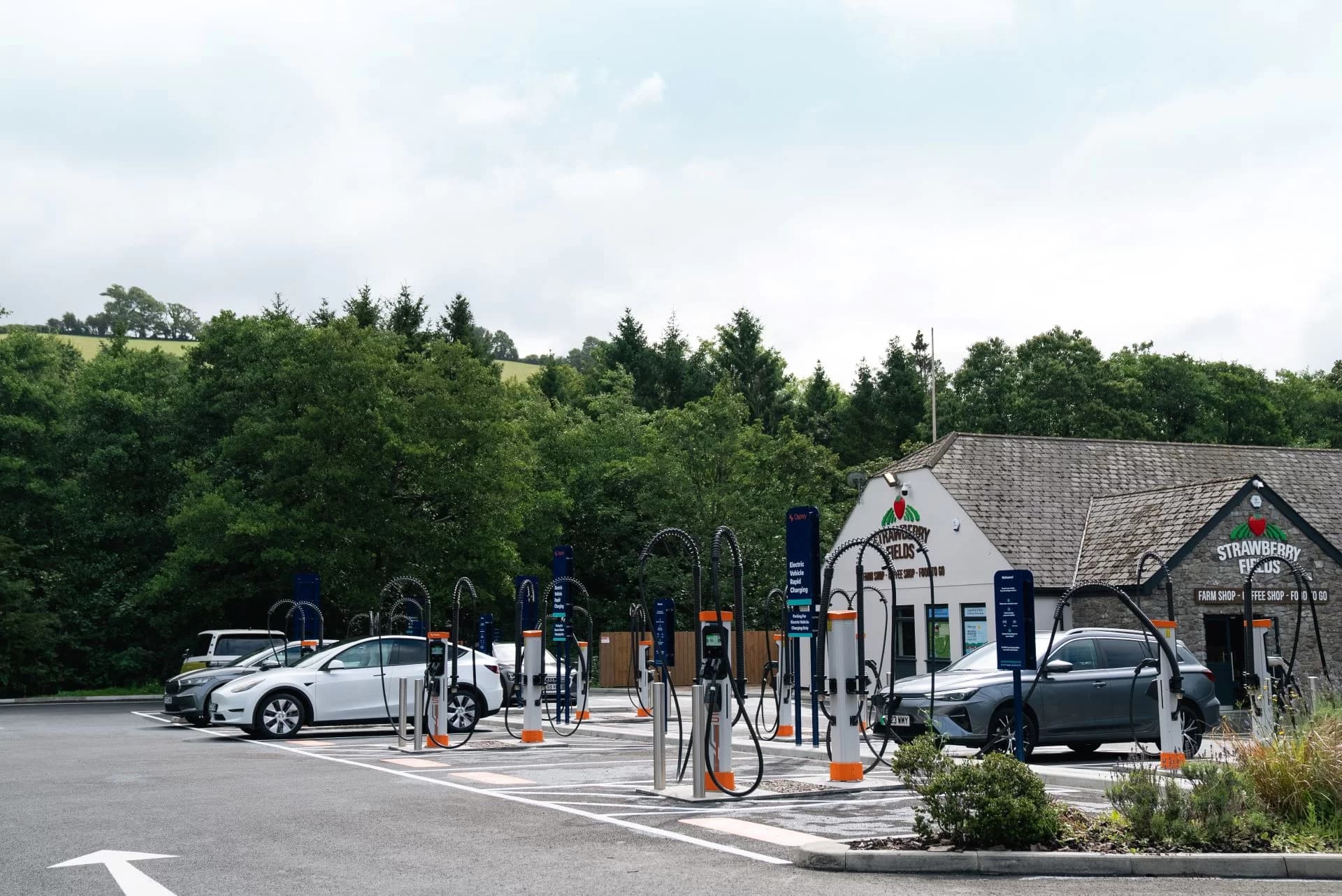
Osprey Charging proudly announces surpassing a significant benchmark with over 1,000 electric vehicle (EV) rapid chargers now accessible to the public throughout the United Kingdom. This achievement signifies a 150% growth within a year, placing Osprey as the third-largest public rapid charging network in the UK, according to the latest Zap Map statistics.
In the last year alone, Osprey Charging has unveiled premier charging hubs in critical areas including Devon, Cumbria, Essex, Dunbartonshire, Carmarthenshire, and Nottinghamshire. These hubs are carefully chosen for their strategic locations and provide an easy, powerful, and dependable charging solution for EV drivers. The company’s commitment to expanding its charging infrastructure has led to Osprey introducing more charging points in early 2024 than any other network.
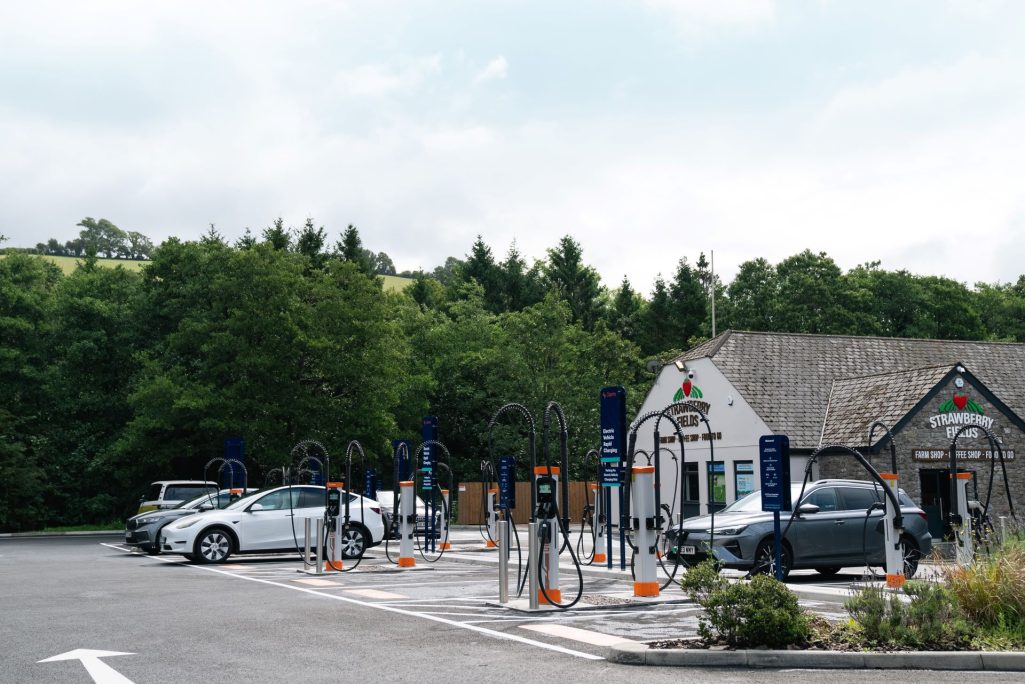
Spanning hundreds of sites across the UK’s diverse landscape, Osprey’s charging points boast an impressive 99% reliability rate. This exceptional service standard has earned Osprey the title of ‘Driver Recommended Network’ by Zap Map for the fourth consecutive year. Furthermore, at the 2023 Transport and Energy awards, Osprey was honored as the Best EV Charging Network and went on to win the Chargepoint Network of the Year at the 2023 Electric Vehicle Innovation and Excellence Awards (EVIEs).
Osprey Charging CEO, Ian Johnston, shared his insights on this milestone: “Reaching over 1,000 rapid EV chargers in the public domain marks a pivotal step in supporting the burgeoning electric vehicle movement. Our growth not only reflects the demand for more EV infrastructure but also our commitment to delivering top-notch service across our nationwide network.”
Johnston also noted the recent House of Lords report urging accelerated EV infrastructure development by addressing funding, planning regulations, and VAT rate disparities between domestic and public charging. Osprey welcomes these recommendations, anticipating they will enhance the overall experience for EV drivers, reinforcing the company’s role in the UK’s transition to sustainable transportation.
Comments
Newest firstLoading comments…