

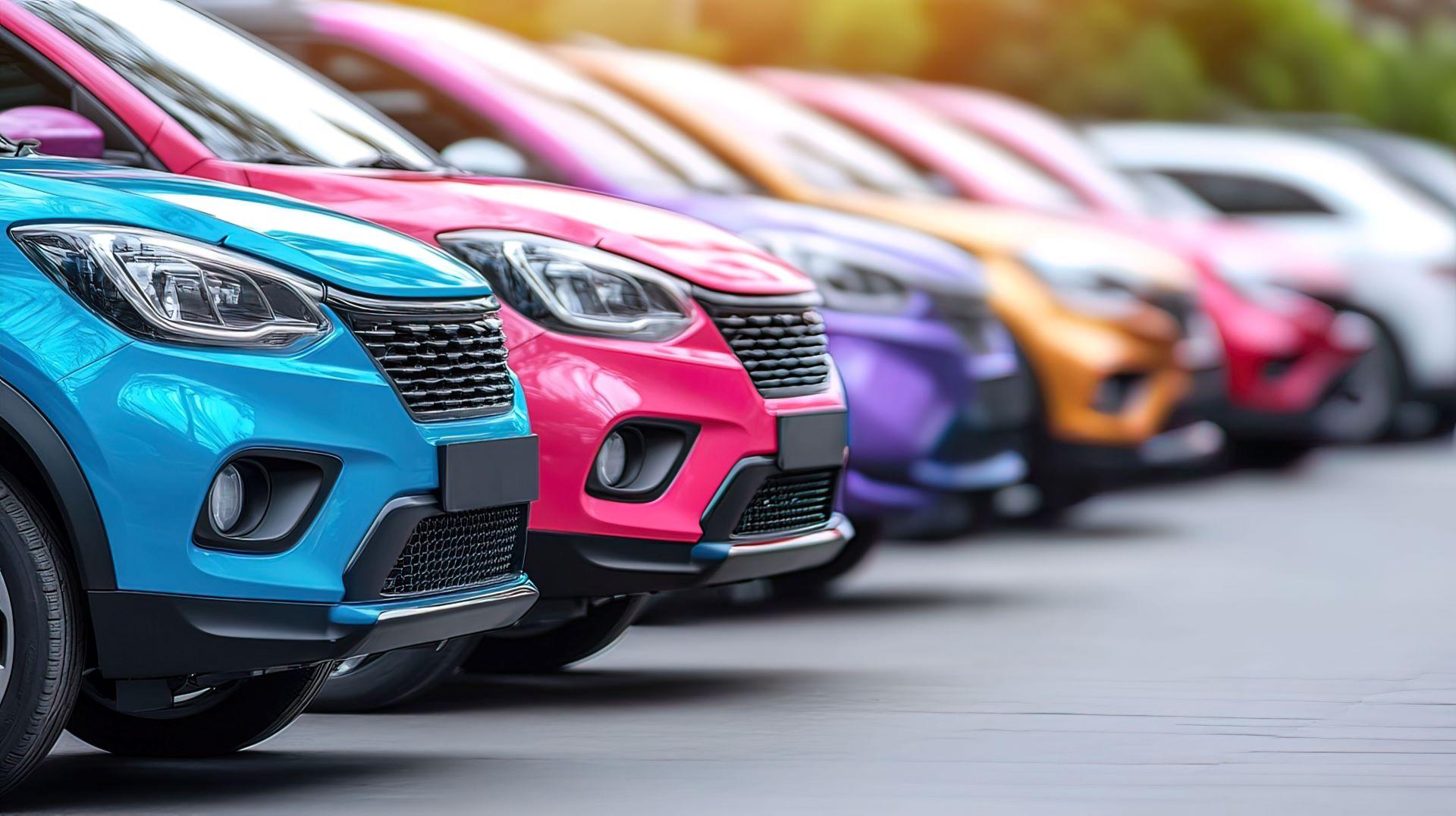
When choosing a new car, colour often clinches the decision. From striking metallics to understated mattes and lustrous pearlescents, today’s motorists are spoilt for choice. But while the perfect hue may capture attention, few car buyers – or even long-time vehicle owners – realise just how complex automotive paint technology has become. And more importantly, how choosing the wrong refinishing approach when it comes to repairs can cost you dearly down the road.
“Modern paints are no longer just about colour – they’re about chemistry and technology,” says Kevin Abrahams, Associational Representative and paint specialist at the South African Motor Body Repairers’ Association (SAMBRA), a proud association of the Retail Motor Industry Organisation (RMI). “Today’s paint systems are engineered for durability, precision, and environmental compliance – and not all body shops are equipped to handle them properly.”
The True Cost of Colour
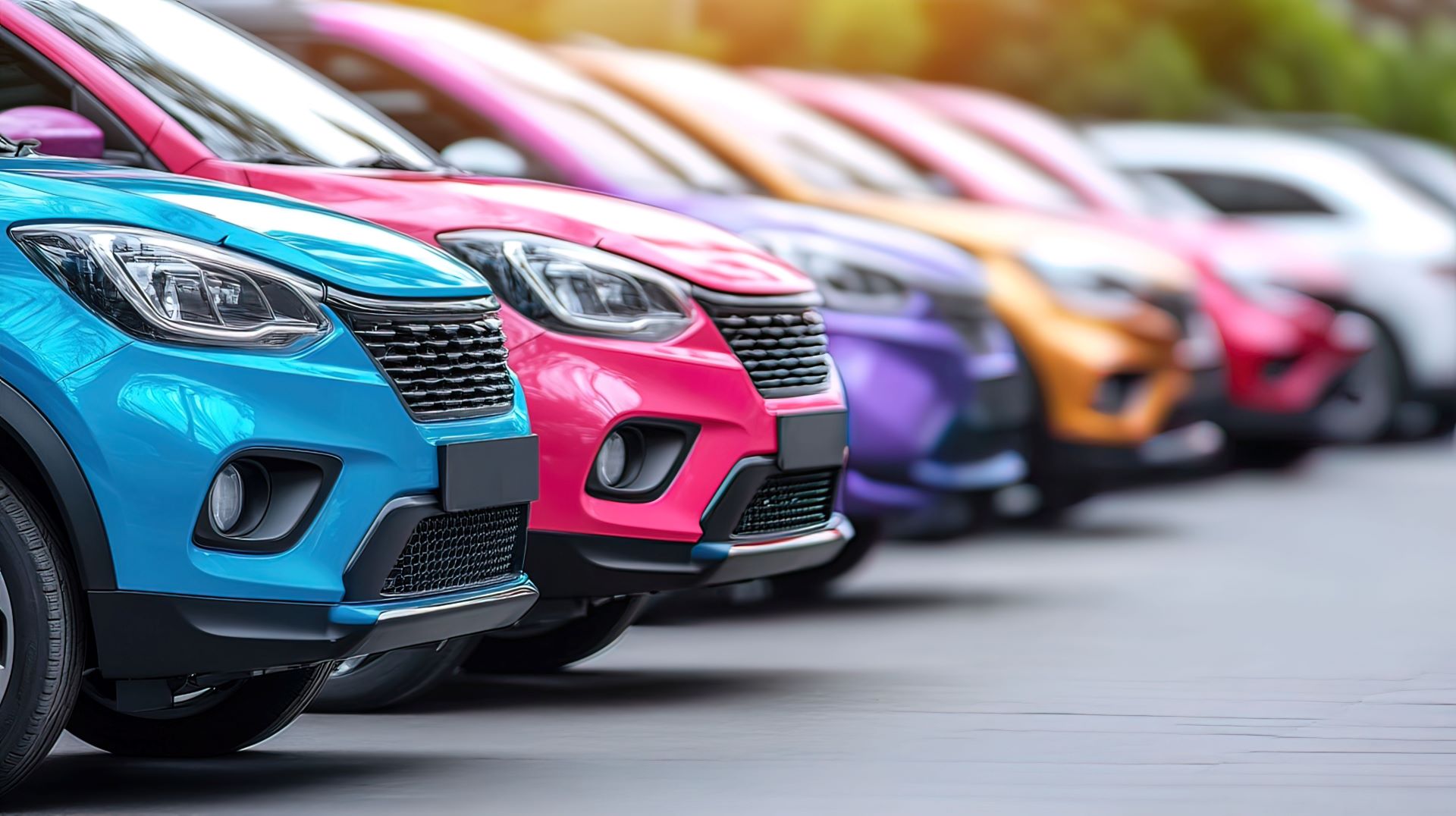
Specialty finishes, such as metallic, pearlescent or matte paints, may add style and sophistication to a vehicle – but they also come at a premium. These finishes can add thousands of Rands to the purchase price, and their maintenance demands more than just a bucket and sponge. Matte paint, for instance, is notoriously finicky. It’s more susceptible to the elements and resists traditional cleaning and polishing techniques. “You can’t simply buff out a scratch on a matte surface,” warns Abrahams. “In many cases, a full panel – or even the entire car – needs respraying to ensure a uniform look.”
Pearlescent and tri-coat finishes pose their own challenges. These multi-layer systems combine a tinted basecoat, a pearlescent midcoat, and a protective clearcoat to create that deep, shimmering effect. Replicating this effect during repairs demands OEM-approved products, precision tools and expert application. “Without the correct tools and procedures, even a skilled painter may struggle to achieve an exact match,” says Abrahams.
What’s more, some colours are unique to limited edition models or specific production years. These shades may not be readily available off the shelf and could require custom mixing from the original manufacturer – driving up repair costs and extending waiting times.
The Science Behind the Shine
As vehicle design becomes more advanced, so too do the coatings that protect them. The latest refinishing systems now include:
- High-solid (HS) and ultra-high-solid (UHS) clearcoats that provide better gloss retention and durability.
- Low-VOC (volatile organic compound) formulas for reduced environmental impact.
- UV-cured primers and topcoats, offering rapid drying times and enhanced surface protection.
- Self-healing clearcoats and ceramic-infused layers to boost scratch resistance and longevity.
These technologies are a far cry from the single-stage paints of the past, and proper application is as much about technical skill as it is about artistry.
Matching Matters
Even the best professional colour matching systems can’t always guarantee perfection. In many cases, especially with complex or aged finishes, the only way to ensure a flawless result is to blend the new paint into adjacent panels – a meticulous process that skilled refinishers are trained to perform.
Abrahams underscores the importance of trusting your vehicle only to accredited repairers: “Professional body shops should always use OEM-approved paints and follow manufacturer specifications. Anything less can affect not just the look of your vehicle, but also its value and structural integrity.”
What You Need to Know Before Repainting
When facing repairs, especially after an accident, it’s essential to be informed and assertive. Here are four critical questions every motorist should ask:
1. Can I choose my own repair shop?
Absolutely. While insurers may recommend certain providers, you’re free to select your own – ideally one accredited by SAMBRA. These repairers meet strict industry standards and adhere to manufacturer guidelines.
2. Will OEM-approved paints be used?
That depends on your insurer’s policy, but all SAMBRA-accredited shops guarantee work using compliant materials and techniques, with warranties covering paintwork, parts, and workmanship.
3. What if the paint doesn’t match or looks substandard?
You have the right to return the vehicle for correction. If issues persist after a second attempt, you may approach another accredited repairer, and the original shop could be held liable for the additional costs.
4. Will using a non-approved repairer affect resale value or insurance?
Potentially, yes. Substandard repairs can diminish your car’s resale value and complicate future insurance claims. That’s why following OEM guidelines and working with accredited repairers is crucial.
More Than Just a Pretty Finish
At the end of the day, automotive refinishing is no longer a simple matter of slapping on a coat of colour. It’s a highly specialised process requiring precision, cutting-edge technology and an understanding of complex chemistry. A poor-quality paint job can compromise your car’s aesthetics, value, and even safety.
So whether you’re maintaining a cherished vehicle or restoring a new one to showroom condition, make informed decisions. Choose accredited repairers. Ask the right questions. And remember: the quality of the finish goes far beyond the surface – it’s a reflection of the care and expertise beneath.


