




In a world where personalization and connectivity define consumer experiences, automotive brands are shifting gears to tap into niche markets. From the exhilarating roar of a vintage V8 engine to the silent efficiency of an electric vehicle, automotive enthusiasts form a diverse ecosystem of passion-driven communities. Today’s automotive advertisers are not just selling cars—they are forging connections, building loyalty, and sparking lifelong enthusiasm through highly specialized, targeted campaigns. This article explores how brands are mastering the art of niche marketing, making a lasting impact on both enthusiasts and the industry as a whole.
Understanding Niche Markets
Niche markets in the automotive sector refer to smaller, well-defined groups of consumers who share a deep interest in specific types of vehicles or driving experiences. Unlike mass-market audiences, who might choose cars based on practicality or brand recognition, niche consumers are driven by passion and expertise. They gravitate toward highly specialized vehicles—whether it’s the craftsmanship of classic cars, the tech-forward promise of electric vehicles, the rugged allure of off-roaders, or the adrenaline-fueled excitement of motorsports.
For brands, these enthusiasts represent an opportunity to build loyal followings. Classic car lovers, for example, may favor vintage restorations, whereas electric vehicle pioneers often look for sustainable innovations. Off-road enthusiasts demand durable, high-performance machines, and motorsport aficionados crave speed and precision engineering. Understanding the diversity of these communities allows marketers to craft campaigns that not only capture attention but also speak directly to the values, aspirations, and passions of their audience.
The Importance of Niche Markets in Automotive Advertising
Niche markets have grown in importance as automotive manufacturers face increasing competition, both from traditional automakers and emerging tech-driven entrants. In a landscape filled with choices, targeting niche audiences offers brands a way to differentiate themselves. Enthusiasts are not just customers—they are brand advocates, collectors, and community leaders. A well-crafted campaign can transform these individuals into lifelong ambassadors who not only buy products but also influence others within their circles. In this way, niche advertising does more than sell vehicles; it cultivates loyalty, fosters engagement, and solidifies a brand’s place within an enthusiast culture.
Specialized Advertising Strategies
In targeting niche markets, the first step is recognizing that traditional, one-size-fits-all advertising simply won’t cut it. Instead, brands must deploy strategies that tap into the unique passions of each community, using personalized content, creative media, and community engagement to make an impact.
One of the most effective ways to reach automotive enthusiasts is through targeted social media campaigns. Platforms like Instagram, Facebook, and YouTube allow brands to zero in on specific interest groups. For example, Land Rover has tapped into the off-roading community by sharing adventure-driven content on Instagram, showcasing vehicles conquering treacherous terrains. Meanwhile, Tesla has harnessed the power of YouTube and Twitter to connect with EV pioneers, using these platforms to share updates, innovations, and customer testimonials.
Online forums and enthusiast websites are another prime avenue for niche advertising. These spaces allow brands to engage with communities in a more direct and authentic manner. A prime example is Porsche, which frequently interacts with fans on forums like Rennlist, where die-hard enthusiasts discuss everything from engine modifications to race-day strategies. By being an active participant in these discussions, Porsche creates a deeper sense of brand loyalty and ensures it remains top-of-mind for consumers who are constantly seeking ways to engage with their favorite carmakers.
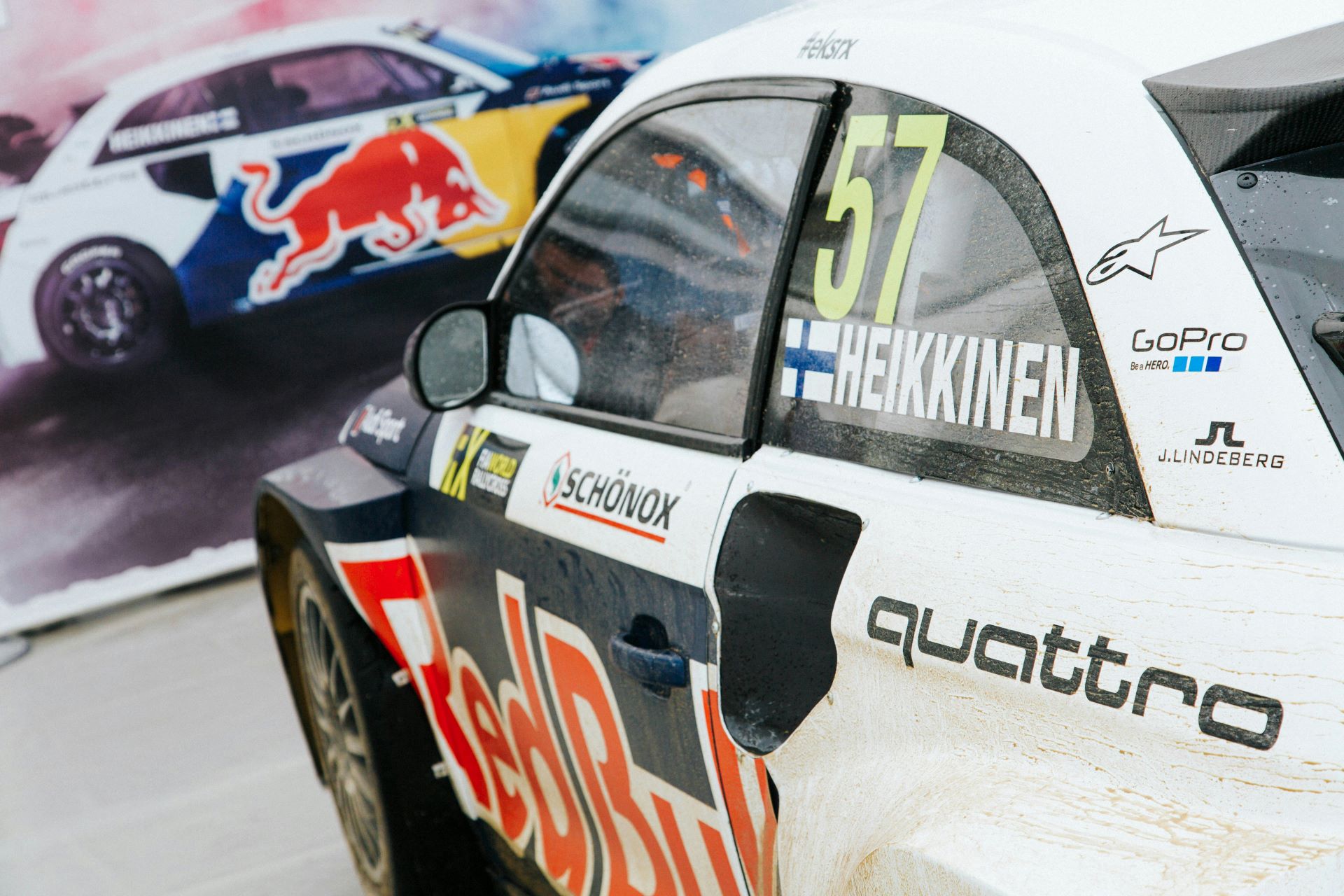
Another growing strategy is event-based marketing. From car shows to racing events, brands are increasingly leveraging real-life experiences to connect with enthusiasts. Toyota’s participation in events like the Goodwood Festival of Speed offers a perfect example. By showcasing their performance cars in live demonstrations, Toyota appeals to motorsport enthusiasts while reinforcing the brand’s legacy in high-performance engineering.
The key to successful niche marketing lies in creating personalized content that resonates on an emotional level. For example, Jeep has built its reputation around the “go-anywhere” spirit of off-roading. Its campaigns feature visually stunning content of rugged landscapes, while its Jeep Wave loyalty program offers exclusive perks to owners, deepening the connection between the brand and its most passionate customers.
Impact on Enthusiast Communities
Targeted advertising has a profound impact on automotive enthusiast communities. Well-executed campaigns foster a sense of belonging, making enthusiasts feel seen and appreciated by the brands they love. By engaging directly with these groups, brands strengthen loyalty and often see these communities become advocates who amplify the brand’s message organically.
The ripple effect of these campaigns extends beyond brand awareness—enthusiast communities grow stronger, more engaged, and more connected. Whether it’s a group of classic car collectors sharing restoration tips or a new wave of EV owners discussing charging networks, these communities thrive on the interactions that niche advertising fosters. Brands that embrace these strategies are rewarded with passionate customers who are eager to evangelize their products.
However, there are challenges. Some purists within these communities may resist commercialization, especially if campaigns are perceived as inauthentic or opportunistic. The key for brands is to maintain a balance between promoting their products and nurturing the organic growth of these communities.
Future of Niche Automotive Advertising
As technology continues to evolve, so too will the way brands target niche automotive markets. The rise of data-driven advertising, artificial intelligence, and virtual reality presents exciting opportunities for deeper personalization and more immersive marketing experiences. Brands will increasingly rely on AI to analyze consumer behavior and tailor messages more precisely to niche audiences.
Emerging trends such as augmented reality (AR) vehicle configurators, where enthusiasts can design and test their dream cars virtually, and blockchain-enabled loyalty programs, which offer more transparency and rewards, are set to transform the automotive advertising landscape. These innovations will allow brands to connect with enthusiasts in unprecedented ways, fostering stronger, more meaningful relationships.
Another promising trend is the growth of electric and autonomous vehicles, which will create new niche markets. As these technologies develop, brands will have fresh opportunities to engage with consumers who are excited about the future of mobility. The potential for collaboration between tech companies and automakers in creating bespoke, futuristic experiences will continue to grow, allowing for even more targeted and innovative campaigns.
Niche automotive advertising is no longer a luxury—it’s a necessity in today’s hyper-competitive market. By understanding and engaging with enthusiast communities through specialized campaigns, brands can build lasting relationships that go far beyond a simple transaction. These efforts not only benefit brands but also enrich the communities they target, creating a symbiotic relationship that fosters growth, loyalty, and mutual respect.
As we look to the future, the opportunities for deeper connections between automotive brands and enthusiasts are boundless. With new technologies and emerging trends on the horizon, the road ahead is filled with exciting possibilities for both marketers and the passionate communities they serve.


