Mercedes-Benz: 25 years passenger airbag

Mercedes-Benz: 25 years passenger airbag

The protective air cushion for the front passenger celebrated its debut in 1987 in the 126 model series An evolution of the airbag technology introduced by Mercedes-Benz in series production in 1981 The optional equipment of that time is an industry standard in safety technology today Stuttgart – 25 years ago Mercedes-Benz was the first automobile […]
By Ronel Ferreira6 August 20124 min read
  • The protective air cushion for the front passenger celebrated its debut in 1987 in the 126 model series
  • An evolution of the airbag technology introduced by Mercedes-Benz in series production in 1981
  • The optional equipment of that time is an industry standard in safety technology today

Mercedes-Benz airbags

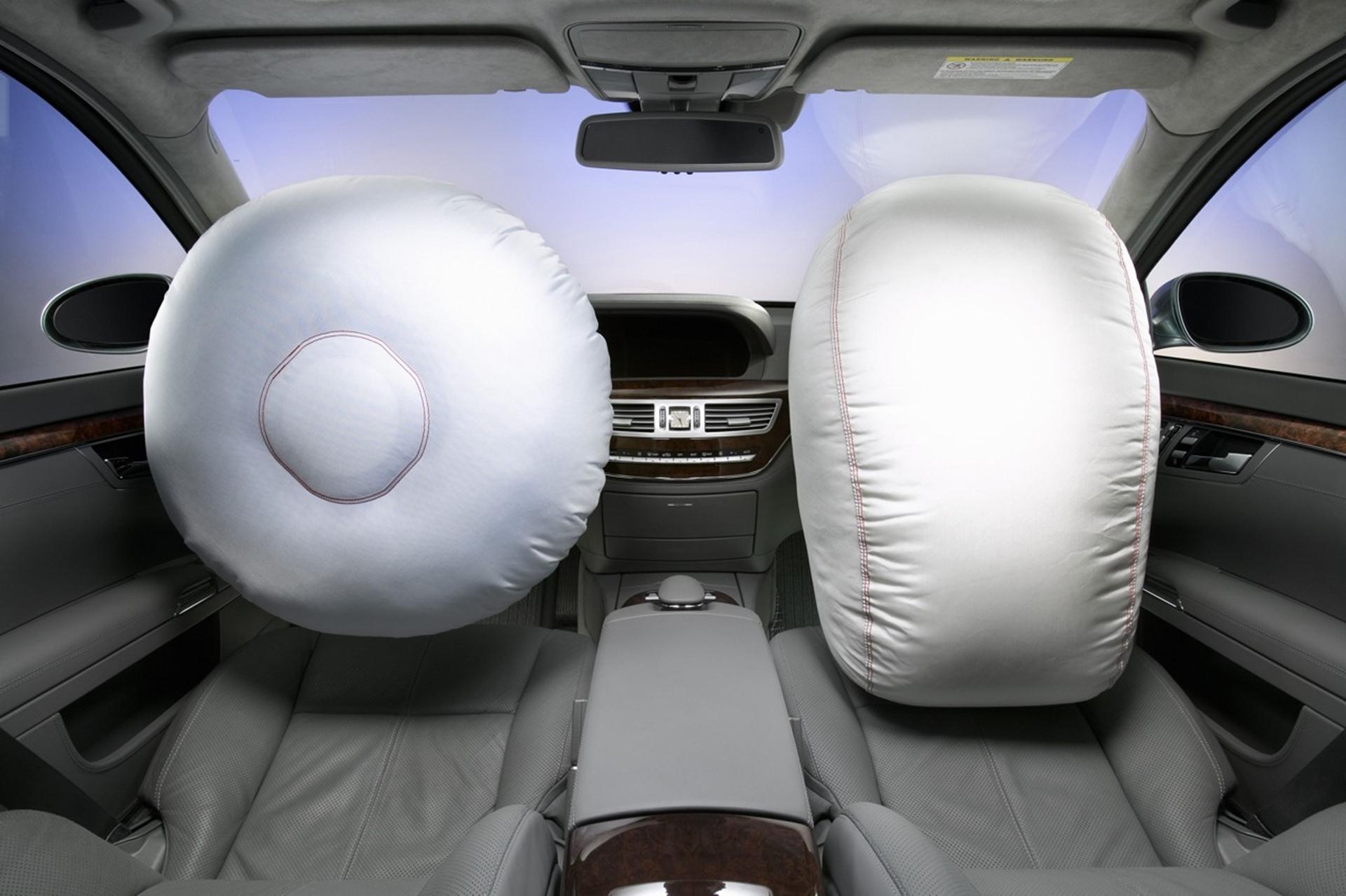
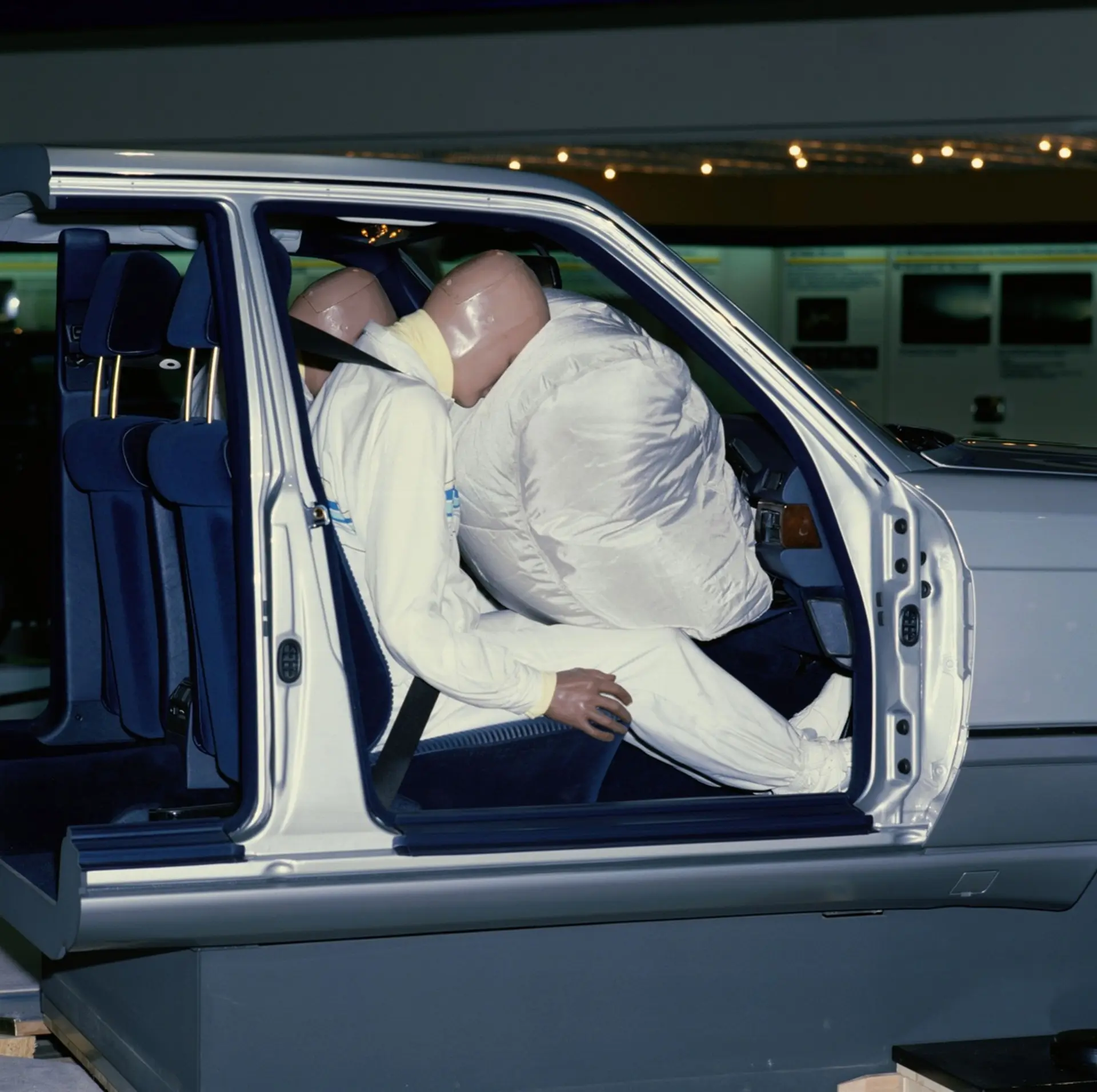
Stuttgart – 25 years ago Mercedes-Benz was the first automobile manufacturer in the world to introduce the front passenger airbag in a series-production car. The technology debuted in the S-Class (model series 126) at the Frankfurt International Motor Show in September 1987. It elevated the safety standards in Mercedes-Benz passenger cars to a new level and thus represented yet another logical step by the pioneer in passive vehicle safety in a long line of outstanding innovations.

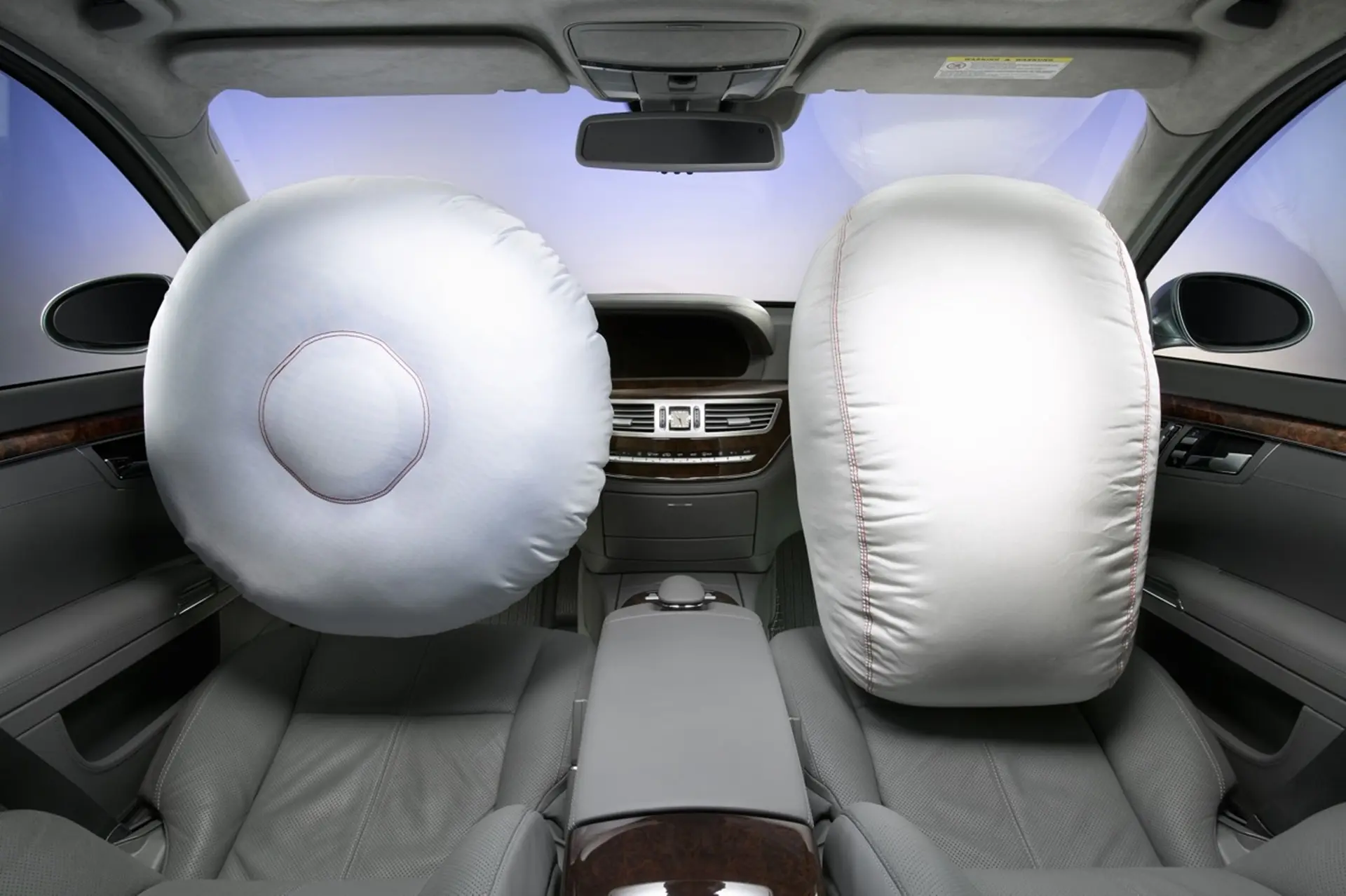
Mercedes-Benz had already introduced the world’s first fully operational driver airbag in a production vehicle in 1981 – also in a 126 model series S-Class. The Supplemental Restraint System (SRS), consisting of driver airbag and belt tensioner, was available as an option for DM 1525.50. It was the result of the rigorous work undertaken by corporate research that had started in the mid-1960s. When sensors detect a collision, a propellant charge is ignited and within a few milliseconds the nitrogen produced by this process inflates a bag made out of a special woven material. The resulting cushion protects people against impacting the dashboard. While the driver airbag is housed in the steering wheel, the front passenger airbag in its early manifestations occupied the spot where the glove compartment would normally have been. Thanks to refined and smaller airbag modules vehicles later regained the glove compartment.
Mercedes-Benz airbags 25-years

The front passenger airbag introduced in 1987 utilised the same technology as the innovative driver protection system. It went on sale as an option on S-Class saloons and coupés in February 1988. Soon afterwards Mercedes-Benz also offered the front passenger airbag as an option in the mid-size model series 124. As early as 1994 the front passenger airbag became standard on all Mercedes-Benz passenger cars; the driver airbag had already been part of the standard equipment of all passenger car models since 1992. To further improve the protective effect afforded by airbags, the Mercedes-Benz engineers went on to develop additional systems such as the side airbag and the side curtain airbag in the years that followed.

Research in the interest of safety

Mercedes-Benz has shaped not only the history of the modern airbag to a significant extent, but the development of vehicle safety in general: this includes such pioneering innovations as the safety body shell with rigid passenger cell, front and rear crumple zones as well as the safety steering column. Airbag technology expanded the arsenal of passive safety by another powerful tool. Mercedes-Benz research on the airbag began in 1966, with initial practical trials starting in 1967.

Mercedes-Benz’s fundamental goal was to further increase vehicle safety. The development of the airbag was also driven by plans in the United States of America to prescribe an automatic occupant protection system for all cars from 1969. Airbags that inflate during an accident were seen as a very promising technology. The principle had already been patented in the 1950s. The principal pioneers were the German Walter Linderer (Patent DE 896312 of 6 October 1951) and the American John W. Hedrik (U.S. Patent 2649311 of 18 August 1953).

But it was a rocky road from the concept to production-ready technology. Particularly the necessary sensor systems and gas generation continued to present major challenges to the developers. This was evident in the solutions from American manufacturers, which equipped their first test fleets with compressed-air operated airbags as an alternative to seat belts: this concept led to serious injuries and in a few cases even fatalities. For this reason the engineers at Mercedes-Benz chose a different approach to arrive at the “inflatable container in a folded state, which automatically inflates in the event of danger” (Linderer’s description of his invention in the patent application): the airbag was not to replace the restraining effect of the seat belt, rather it was to supplement it. Tests showed that the airbag only achieved maximum effectiveness in combination with the safety belt. In addition, the gas was not stored under high pressure, but generated on demand by igniting a propellant charge.

The findings of Mercedes-Benz research were formulated in patent no. DE 2152902 C 2, which former Daimler-Benz AG filed on 23 October 1971. This patent application was the key document for all subsequent airbag development at Mercedes-Benz. It already described the operating principle of the new technology as it was to be implemented in series production ten years later: sensors register the particularly severe deceleration common to collisions and activate the airbag mechanism. This ignites a propellant charge (at the time consisting of sodium azide, potassium nitrate, and sand), which deflagrates instantaneously to form mainly gaseous nitrogen and every a little water and oxygen.

The airbags for driver and front passenger quickly caught on in the entire industry as a life-saving technology. As airbag modules became smaller and smaller thanks to the rigorous work of the engineers, it was possible to incorporate them in other areas of a vehicle to also provide comprehensive protection in the event of a side impact: in 1993, Mercedes-Benz presented a study of a side airbag; in 1995 the side airbag became available as an option, initially in the E-Class. Further innovative steps were the side curtain airbag, the head-thorax sidebag and adaptive airbags that operate in different stages depending on the expected severity of the accident and provide optimal protection for the occupants.

Did you know…?
Mercedes-Benz Classic will be at the Goodwood Revival (14 to 16 September 2012) with five original Silver Arrows of the 1930s – and will compete in a demonstration run with racing cars of Auto Union. It will be the biggest assembly of Silver Arrows since decades.

Comments

Sign in to comment.Sign in

No comments yet. Be the first to share your thoughts.

Rightcharge collaborates with Mercedes-Benz Vans in the UK to make it easier for businesses to transition to electric
153
0
ArticleMarch 7, 2024

Rightcharge collaborates with Mercedes-Benz Vans in the UK to make it easier for businesses to transition to electric

London, UK, 5th March 2024: Leading EV charging software company Rightcharge has joined forces with Mercedes-Benz Vans in the UK to help make it more affordable and accessible for businesses looking to operate and charge electric vehicles. Rightcharge provides electric van drivers with a comprehensive end-to-end solution for charge point installations, ensuring a hassle-free experience […]

New UNI-TOUCH operating system for the Mercedes-Benz Unimog implement carrier
136
0
ArticleJanuary 12, 2024

New UNI-TOUCH operating system for the Mercedes-Benz Unimog implement carrier

Mercedes-Benz Trucks UK has announced the all-new UNI-TOUCH operating system for the Unimog implement carrier, which is available to order now ahead of first deliveries in the second half of the year. The manufacturer is making the announcement at LAMMA 2024 – the UK’s leading agricultural machinery, equipment and technology show – where it is […]

Mercedes-Benz South Africa invests substantial funds into local Electric Vehicle charging infrastructure
123
5,276
ArticleNovember 13, 2023

Mercedes-Benz South Africa invests substantial funds into local Electric Vehicle charging infrastructure

Pretoria – Mercedes-Benz South Africa is advancing its sustainability strategy for South Africa through a substantial investment into the local electric vehicle (EV) charging infrastructure. As the demand for EVs continues to grow, ensuring a robust infrastructure is essential. Mercedes-Benz South Africa boasts the country’s most extensive range of electric vehicles, including the EQ and […]

Mercedes-Maybach EQS SUV
120
0
ArticleApril 17, 2023

Mercedes-Maybach EQS SUV

Shanghai/Stuttgart. With the Mercedes-Maybach EQS 680 SUV (provisional figures: combined power consumption: 24.4-22.5 kWh/100 km; CO2 emissions: 0 g/km)1, the legendary brand is presenting its first all- electric series model. It is based on the technology of the EQS SUV from Mercedes-EQ and combines it with the exclusivity of Maybach – in line with Karl […]

Mercedes-Benz AMG powerboat
131
22,980
ArticleFebruary 11, 2016

Mercedes-Benz AMG powerboat

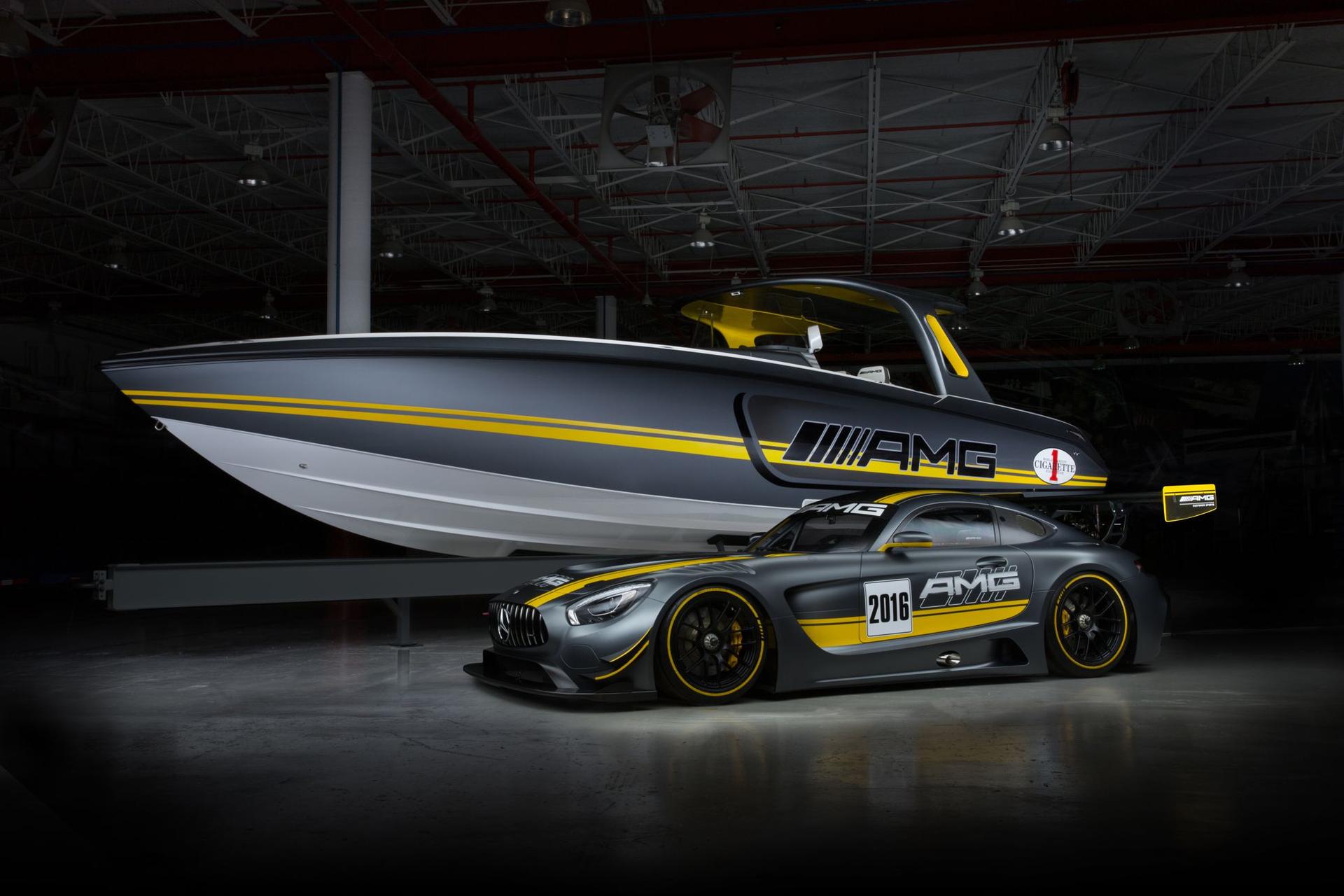
Mercedes-AMG GT3 inspires most powerful “Open Performance” boat ever produced by the Cigarette Racing Team: Two Powerhouses Roar into the Miami International Boat Show
Mercedes- AMG GT3 racecar
Cigarette Racing

Frankfurt Motor Show Premieres – Mercedes Benz
102
0
ArticleSeptember 11, 2015

Frankfurt Motor Show Premieres – Mercedes Benz

Stuttgart/Frankfurt. Mercedes me provides personalised access to the individual and exclusive world of Mercedes-Benz, which revolves around the customer. One part of this initiative is Mercedes connect me.

Mercedes-Benz ESP 25 Years
94
17,000
ArticleApril 30, 2015

Mercedes-Benz ESP 25 Years

First series production application in March 1995 at Mercedes-Benz From a bold idea to a Europe-wide requirement:  ESP® reaches 20 years of saving lives Stuttgart.  A guardian angel is celebrating a milestone anniversary: in March 1995, Mercedes-Benz introduced the Electronic Stability Program ESP®. Alongside the seat belt, airbag and ABS, the Daimler invention is by […]

New Mercedes-Benz Lights Technology
95
0
ArticleJune 17, 2014

New Mercedes-Benz Lights Technology

NEW GENERATION CLS WITH THE FUTURE’S HIGH-RESOLUTION PRECISION LED TECHNOLOGY: LEADING THE WAY WITH BETTER LIGHT Stuttgart – In the new generation of the CLS-Class, Mercedes-Benz is using the new technology of MULTIBEAM LED headlamps for the first time. High-resolution precision LED modules, each with 24 individually controlled high-performance LEDs, automatically illuminate the road with […]

Mercedes-Benz Autonomous Driving
99
0
ArticleSeptember 10, 2013

Mercedes-Benz Autonomous Driving

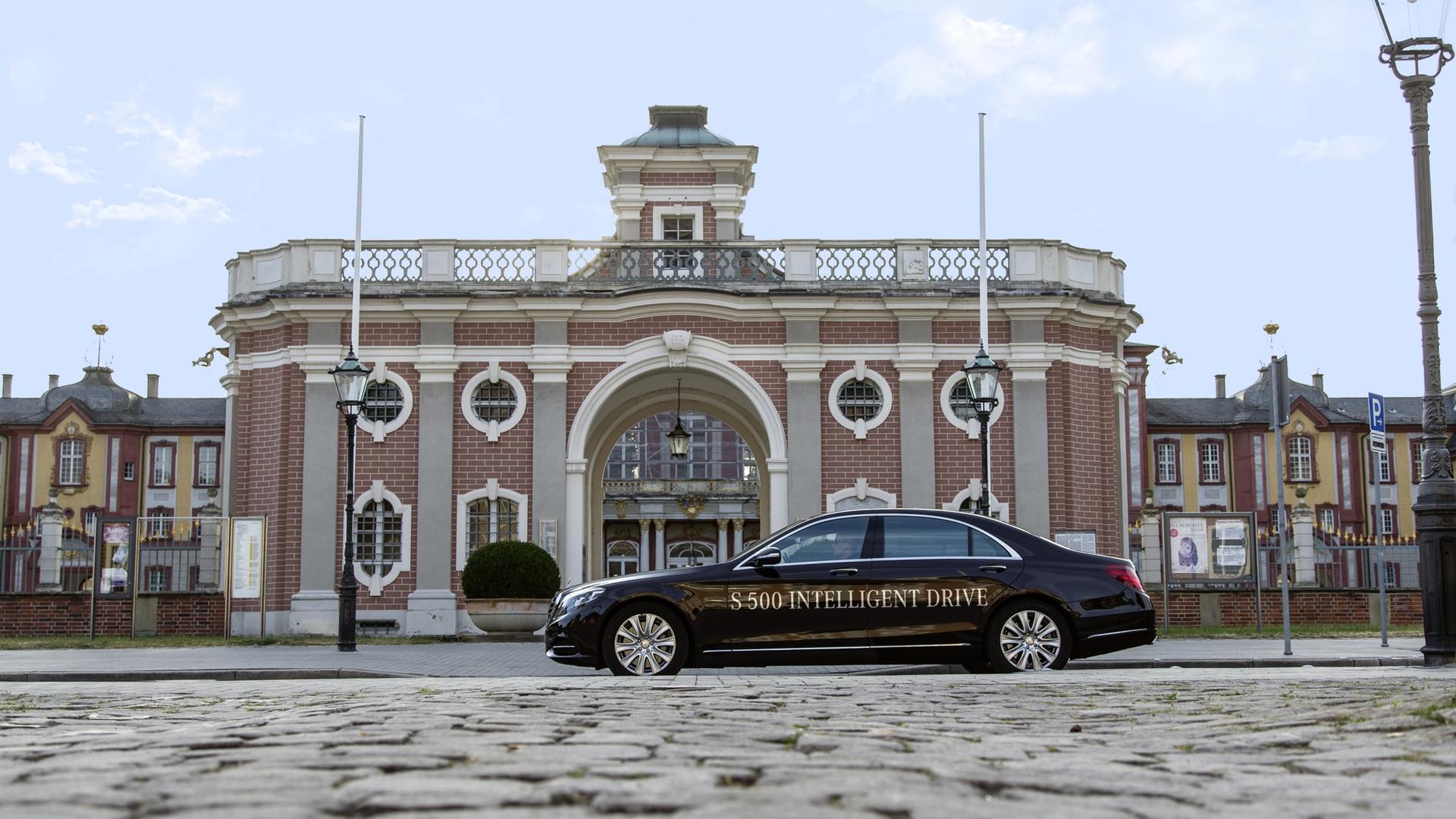
Pioneering achievement: Autonomous long-distance drive in rural and urban traffic – Mercedes-Benz S-Class “INTELLIGENT DRIVE” drives autonomously in the tracks of Bertha Benz With its S 500 INTELLIGENT DRIVE research vehicle, Mercedes-Benz in August 2013 became the world’s first automobile manufacturer to demonstrate that autonomous driving in rural and urban traffic is possible – and […]

Mercedes-Benz Google I/O
213,839
18,298
ArticleMay 14, 2013

Mercedes-Benz Google I/O

Innovation made in Silicon Valley: Mercedes-Benz presents new features of its Digital DriveStyle App at Google I/O Product of ongoing partnership between Google and Mercedes-Benz New version of Digital DriveStyle App to feature additional Google services in the first half of 2013 San Francisco. Google I/O is an annual developer conference featuring highly technical, in-depth […]

Developments in aerodynamics
122,191
14,169
ArticleFebruary 15, 2013

Developments in aerodynamics

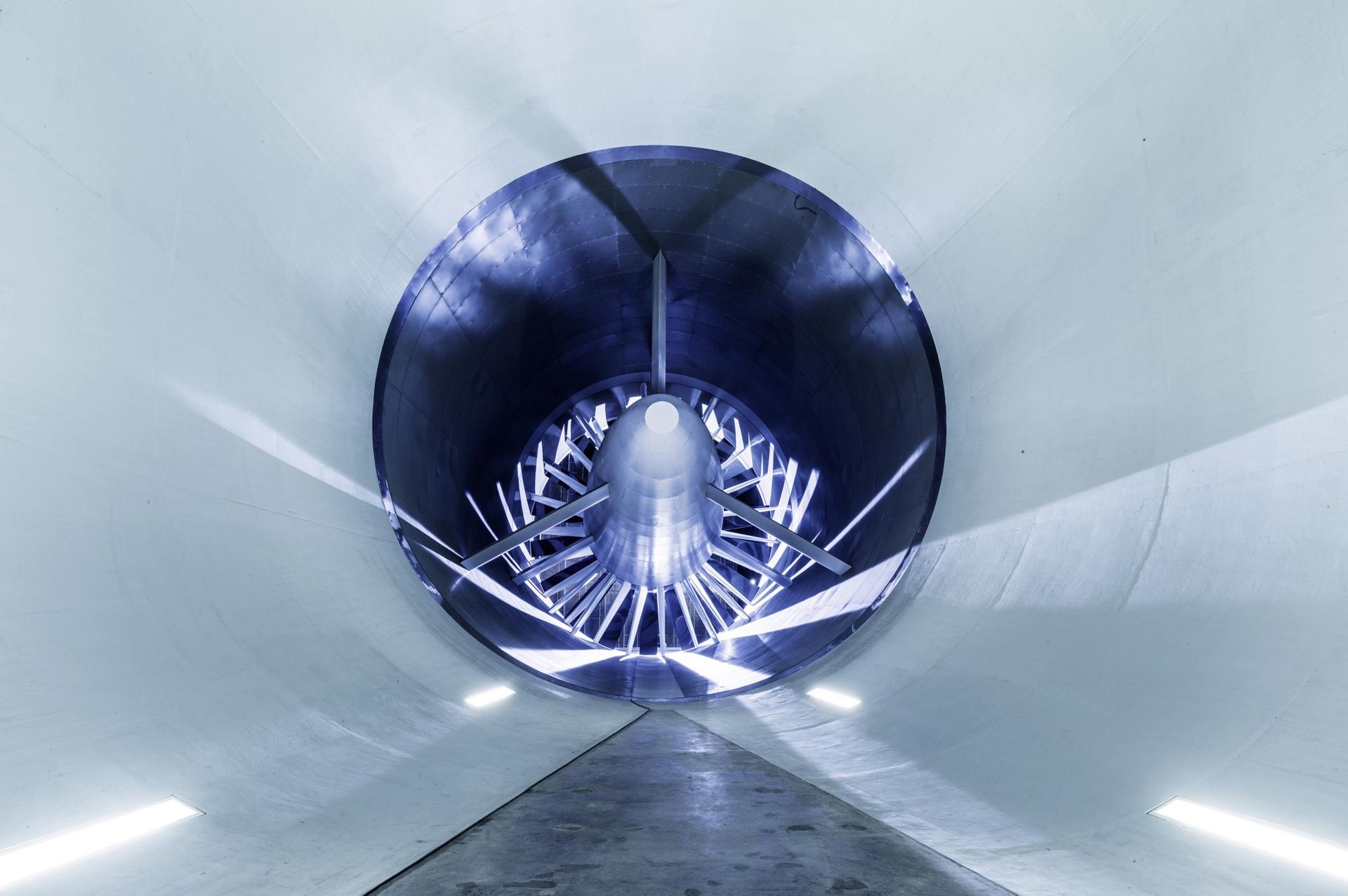
 Under the microscope: development in aerodynamics From the Kamm rear to the CLA Aerodynamics first became a focus of scientific research almost 100 years ago – but it is only after the second oil crisis some 30 years ago that it was really given a high priority in vehicle development. Nowadays aerodynamics make a major […]

Dr. Teddy Woll, head of Mercedes Benz Aerodynamics
152,570
10,679
ArticleFebruary 15, 2013

Dr. Teddy Woll, head of Mercedes Benz Aerodynamics

Interview: Dr. Teddy Woll, head of aerodynamics “We fight for every third decimal place” Dr. Teddy Woll, 50, has headed the Aerodynamics/Wind Tunnels department at Daimler AG since April 1999. We spoke to this doctor of industrial engineering about efficiency improvements and airflow simulation.