



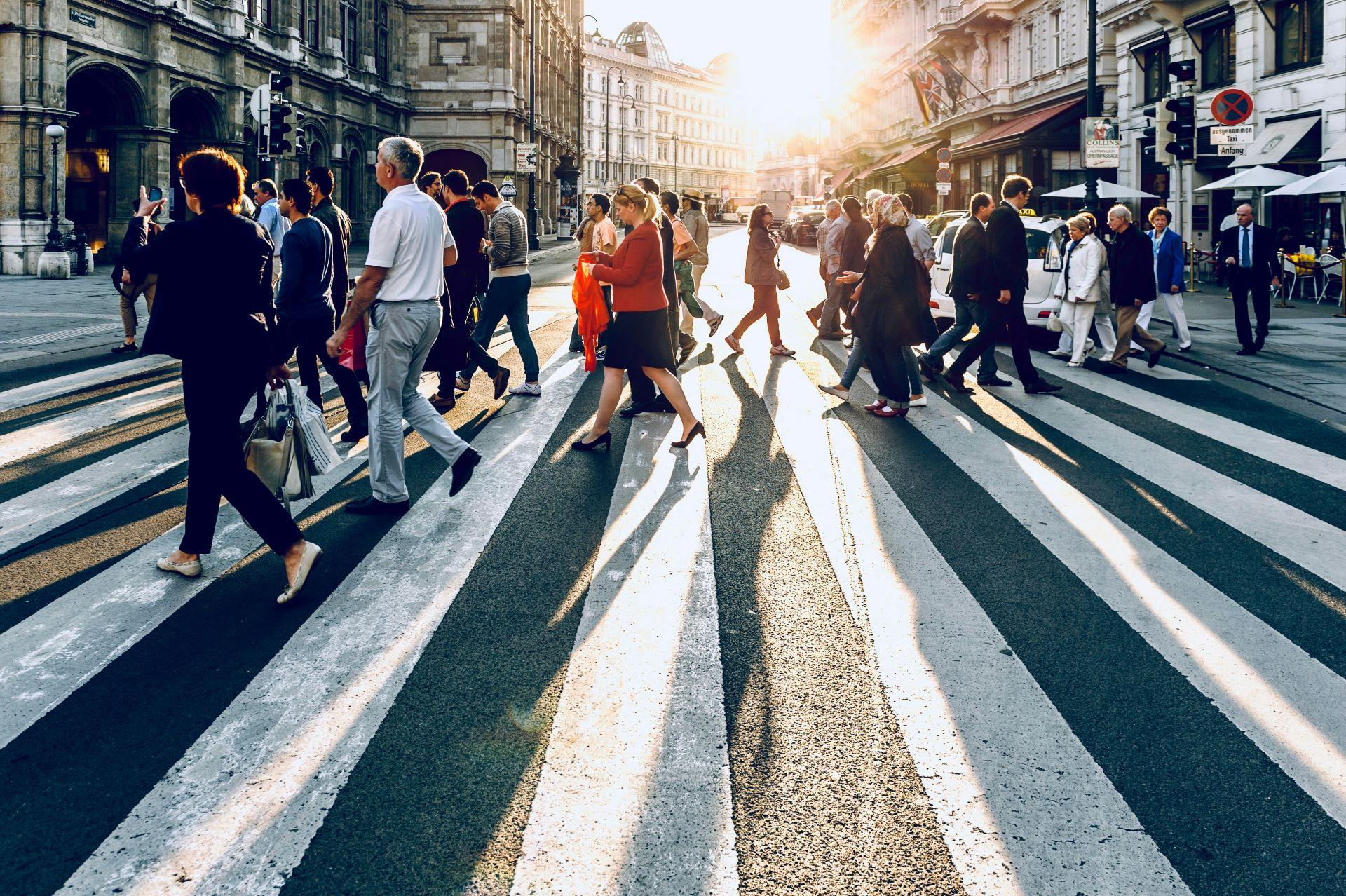
As the world marks the 8th UN Global Road Safety Week from 12 to 18 May 2025, the message this year is as clear as the white lines at a pedestrian crossing: walking and cycling must be made safer. Under the theme of protecting vulnerable road users, the campaign calls on governments, international agencies, civil society, businesses, and schools to implement tangible, life-saving interventions.
This renewed focus couldn’t come at a more pressing time. Road traffic injuries remain one of the leading causes of death and disability worldwide, claiming the lives of nearly 1.2 million people and injuring up to 50 million more each year. Among the most tragic statistics is the silent toll on the young. According to the United Nations, pedestrian and cyclist fatalities are the leading cause of death among 5- to 29-year-olds. Globally, more than one in four road deaths involves a pedestrian or cyclist.
Eugene Herbert, CEO of MasterDrive, echoes the urgency:
“In recent years there has been encouragement towards walking and cycling instead of using vehicles as it is a green, sustainable and economically advantageous mode of transport. Along with this movement, attention also needs to be paid to creating conditions where pedestrians and cyclists are not at greater risk of injury or fatality either.”
Shared Roads, Shared Responsibility
While urban planners, policymakers and advocacy groups are urged to play their part in redesigning streets and enforcing safety standards, Herbert points to an everyday truth: safety begins behind the wheel.
“While drivers may look toward government to increase the safety of walkers and cyclists, the ultimate responsibility lies with drivers. Irrespective of whether government and other organisations make a safe environment for these vulnerable road users, it is drivers who need to be aware of all road users whether in a vehicle or not.”
This isn’t about shifting blame – it’s about recognising the power every motorist holds to prevent tragedy. By consciously adopting safer habits, drivers can drastically reduce pedestrian and cyclist fatalities.
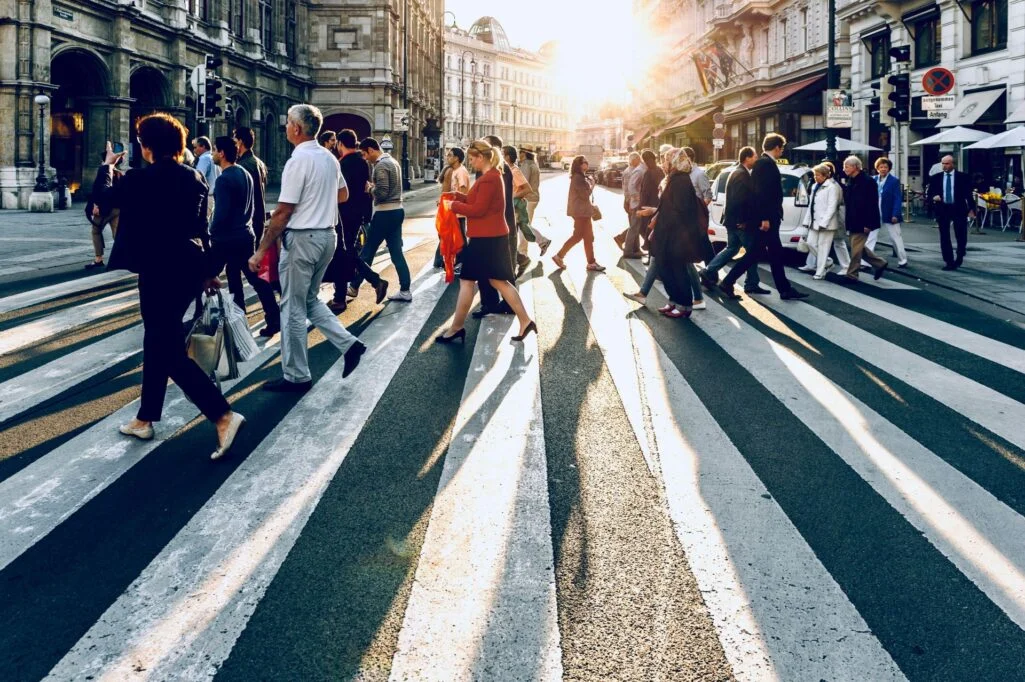
Safe Driving Habits That Save Lives
Here are some critical reminders every driver should integrate into their daily journeys:
- Make eye contact with pedestrians. It confirms awareness and communicates intent.
- Slow down in pedestrian zones, especially city centres and near schools.
- Always check blind spots — pedestrians can move unpredictably.
- Yield right of way – even if a pedestrian is crossing incorrectly, your role is to prevent harm.
- Be extra vigilant at night, scanning verges and side roads for movement.
- Create space from intoxicated pedestrians, who may behave erratically.
- Stay focused – distracted driving is exponentially more dangerous in pedestrian-heavy areas.
- Drive slowly near schools and scholar transport, where children may dart across the road without warning.
- Use headlights, even in daylight, to increase visibility to others.
These aren’t just good practices. They’re tools of prevention – simple yet powerful actions that turn awareness into safety.
A Call to Action for All
The ambition of UN Global Road Safety Week is not just to highlight grim statistics but to spark a global commitment to change. That commitment must come from every corner of society: lawmakers must legislate, engineers must design safer infrastructure, schools must educate, and drivers must drive more responsibly.
Because in every fatal collision, behind the numbers is a lost life – a child not coming home from school, a commuter never reaching work, a loved one who will never return.
As Herbert puts it, “less pedestrians may lose their lives” when we all adopt safer practices. It’s a hopeful reminder that every cautious decision – every slowed car, every checked blind spot – has the potential to save a life.
In the end, the road belongs to everyone. Let’s make it safer for everyone, one step, one ride, and one mindful drive at a time.


