





Despite global economic turbulence, weak demand in key markets, and growing geopolitical uncertainties, automotive technology group MAHLE has emerged from the 2024 financial year with a positive consolidated net result and a clear sense of direction. The company reported a sales decline to €11.7 billion—a 5.6% organic drop after adjusting for exchange rate and deconsolidation effects—but posted a notable improvement in profitability, with EBIT rising from €304 million to €423 million and the EBIT margin climbing to 3.6%.
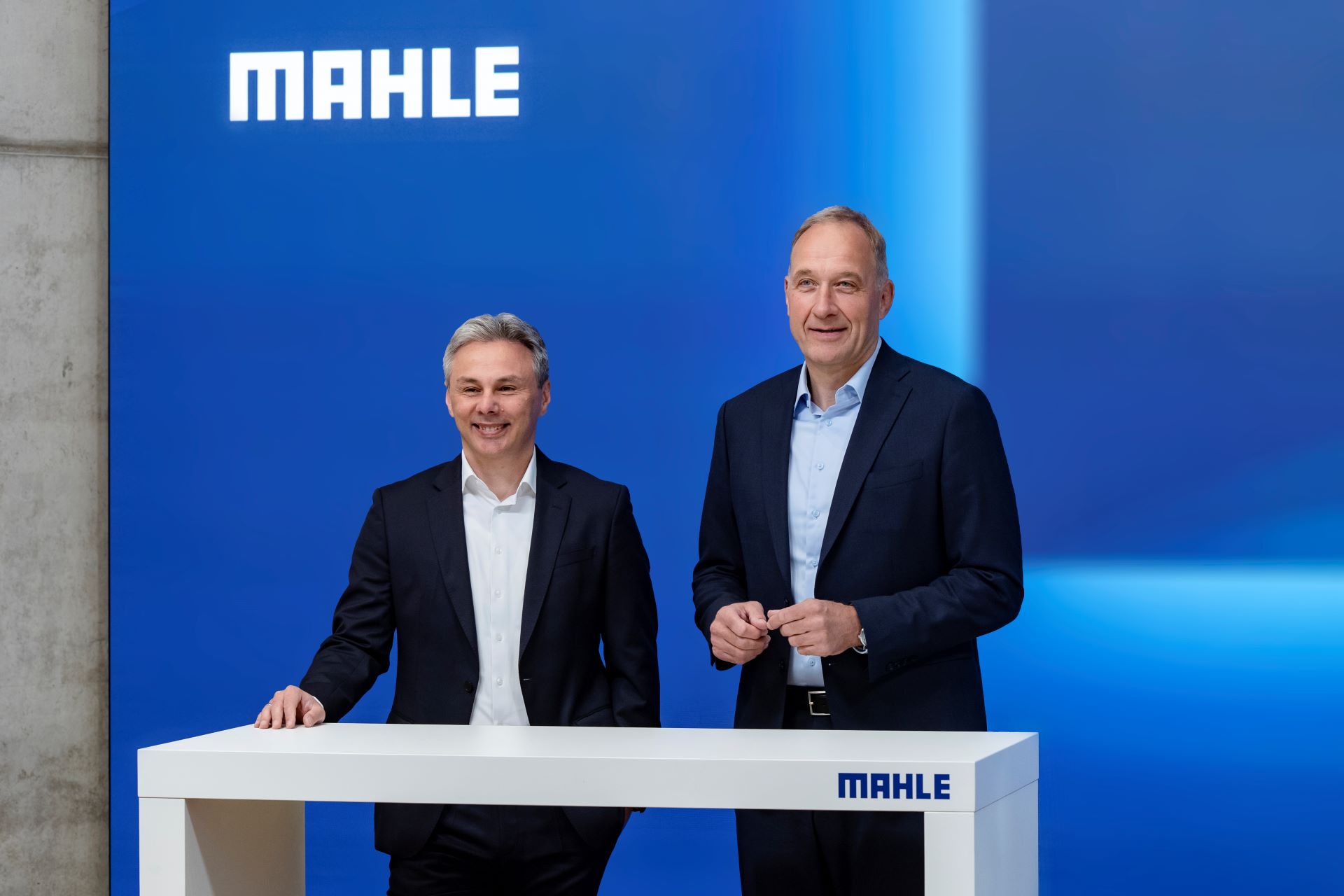
“Our MAHLE 2030+ strategy is gaining traction and allows us to be profitable despite difficult market conditions,” stated Arnd Franz, CEO and Chairman of the Group Management Board, at the company’s Annual Press Conference. “We have stayed on course and continued to drive our transformation with determination.”
Navigating Headwinds with Resilience
MAHLE’s 2024 results reflect a remarkable balancing act between performance and transformation. The global supplier grappled with a sluggish electric vehicle (EV) market outside China, softening sales in Europe and North America, and the weight of newly imposed U.S. import tariffs. However, a strategic focus on cost discipline, efficiency improvements, and portfolio streamlining enabled the company to boost returns even as top-line figures declined.
The company’s ability to increase profitability while reducing debt by €186 million—down to €1.2 billion—speaks volumes about its operational resilience. The debt-to-EBITDA ratio improved from 1.5 to 1.2, and liquidity remains secure thanks to successful refinancing. MAHLE also improved its equity ratio to 20.1%—its first upward movement in five years.
“Despite the extremely adverse conditions we faced and the resulting fall in sales, we were able to stabilize our position,” added CFO Markus Kapaun. “This is a success and the result of sustained, consistent transformation work.”
Streamlined Focus on Core Strengths
Throughout 2024, MAHLE sharpened its focus on three strategic pillars: electrification, thermal management, and efficient, sustainable internal combustion engines. This strategic pivot included divestments such as the sale of its share in the Behr-Hella Thermocontrol (BHTC) joint venture and the OEM thermostat business.
The group also introduced a leaner organisational structure at year-end, merging business units and slimming down the management board. This reorganisation aims to reinforce MAHLE’s growth priorities and drive agility across its global operations.
Investment in Innovation Remains Robust
Even amid market turbulence, MAHLE’s innovation engine remained in full swing. The company invested €630 million in research and development, maintaining a healthy R&D ratio of 5.4%. In 2024 alone, MAHLE reported 536 new inventions and filed 427 new patent applications, underscoring its ongoing commitment to technology leadership.
The standout innovation of the year was a bionic high-performance fan that drastically reduces vehicle noise—cutting perceived sound levels by up to 50% in EVs and fuel cell vehicles. Other highlights include a cutting-edge evaporative cooling system for fuel cell trucks and the integration of the Superior Continuous Torque electric motor into a fully electrified truck axle.
These innovations translated into strong commercial results. MAHLE secured €10.3 billion in new orders across all strategy areas, including a record-breaking €1.2 billion order for a thermal management module—the largest single contract in its history. Other notable wins included battery cooling systems and electric compressors totalling over €1 billion.
Bright Spots and Business Unit Performance
While most of MAHLE’s business units recorded sales declines, the Aftermarket division stood out with a 6.2% increase—driven by double-digit organic growth in Asia-Pacific. Conversely, Thermal Management (€4.1 billion), Electronics and Mechatronics (€1.3 billion), and Engine Systems and Components (€2.4 billion) all experienced single-digit to high-single-digit contractions, reflecting subdued global demand and negative exchange rate effects.
Looking ahead, the group sees China as a key growth market, particularly in the New Energy Vehicle (NEV) segment, where it already works with leading domestic and international OEMs.
Sustainability: Gaining Recognition
MAHLE’s ongoing commitment to sustainability earned it a coveted place on the Carbon Disclosure Project’s “A list” in 2024—placing it among the automotive industry’s sustainability leaders. With a 47% reduction in Scope 1 and 2 CO₂ emissions already achieved, the company is on track to meet its target of a 49% cut by 2030.
Challenges Ahead and a Call for Policy Clarity
Despite this progress, MAHLE remains cautious as it enters 2025. The company anticipates even tougher market conditions, exacerbated by geopolitical uncertainties and new trade barriers, including U.S. import tariffs.
“We are now faced by massive burdens as a result of the import tariffs recently imposed by the USA on all imports,” Franz noted. “These will disrupt supply chains and lead to higher costs for the industry and consumers alike.”
Franz also called for more pragmatic, technology-neutral policies in Europe: “Two thirds of our jobs depend on the internal combustion engine, which still offers five times as many jobs as e-mobility. We need an honest dialogue about how to achieve climate goals without undermining employment and social stability.”
MAHLE’s performance in 2024 is a testament to strategic clarity, disciplined execution, and an unwavering commitment to innovation—even in the face of profound market challenges. As the group continues its transformation under the MAHLE 2030+ strategy, it remains steadfast in its pursuit of sustainable mobility solutions and long-term profitability.
While the road ahead may be bumpy, MAHLE’s focus on technological leadership, operational excellence, and global adaptability puts it in a strong position to steer through the uncertainties of 2025 and beyond.
Comments
Newest firstLoading comments…