



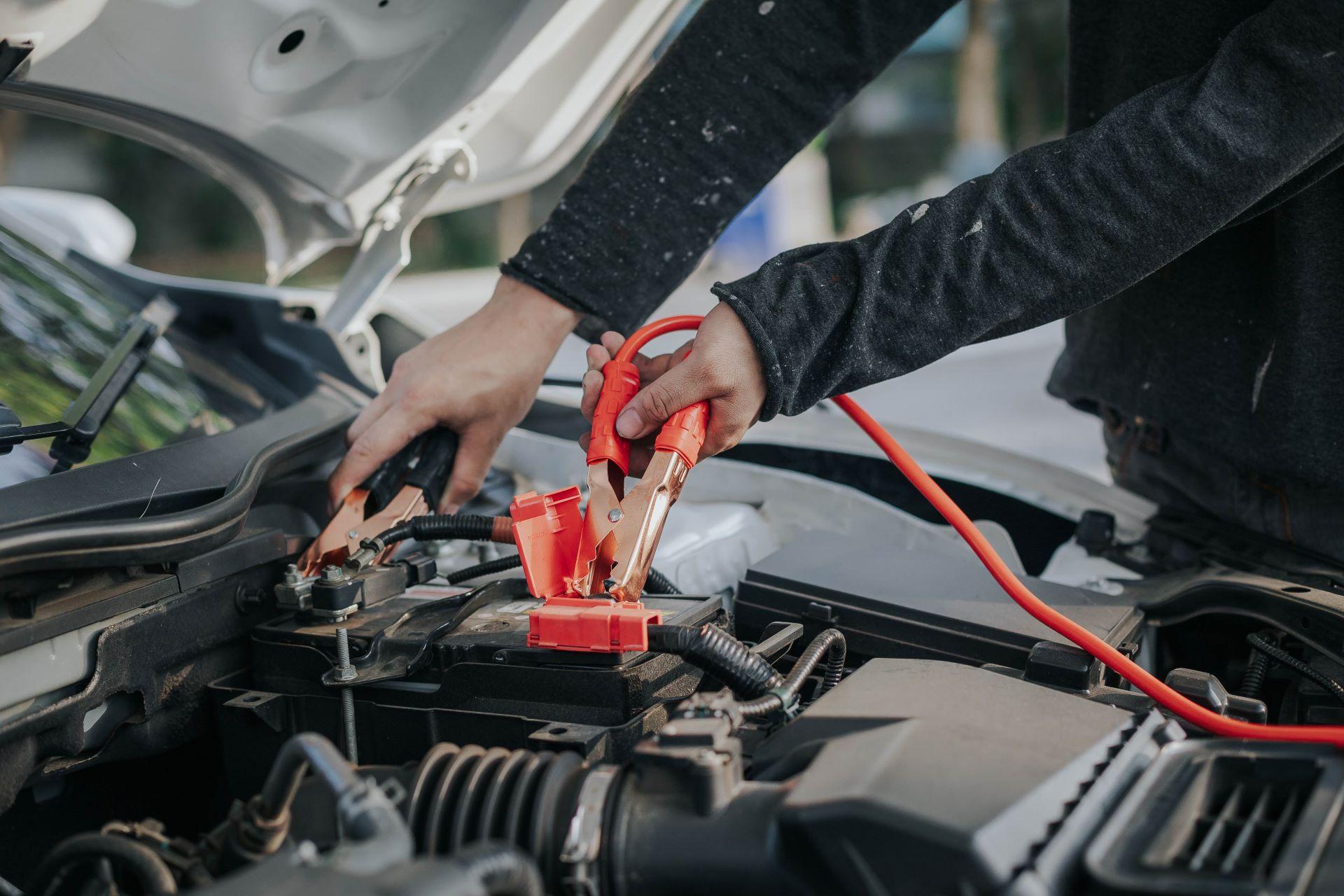
We’ve all been there: you leave your car lights on for too long, or perhaps you’re the unofficial DJ for your friends at the dam, playing tunes until your car’s battery slips into a deep snooze mode. Most drivers know the usual culprit, but did you know there are several other reasons why your car’s battery might leave you stranded? Fortunately, the solution is often as simple as having jumper cables handy—or perhaps a few burly friends for a push start.
However, when your car’s battery is really on the fritz, a quick jump may not be enough. As Vishal Premlall, National Director of the Tyre, Equipment, Parts Association (TEPA), warns, ignoring the tell-tale signs of a struggling battery could leave you in need of professional help.
Know Your Battery Types: Different Care for Different Needs
The first step to maintaining a healthy battery is understanding that not all car batteries are created equal. There are various types of batteries on the market, each with different care requirements and lifespans. Premlall explains the main battery types found in vehicles today:
- Flooded Lead-Acid Batteries (Conventional): These are the most common type and are typically found in older vehicles without start-stop systems. Regular maintenance is key to their longevity, and they generally last between three to five years with proper care.
- Enhanced Flooded Batteries (EFB): Designed for vehicles with basic start-stop systems, these batteries offer more charge cycles than conventional ones. EFBs are maintenance-free and can last up to six years, making them a popular choice for modern cars.
- Absorbent Glass Mat (AGM) Batteries: AGM batteries are engineered for vehicles with advanced start-stop systems and regenerative braking. More durable and resistant to vibration than conventional batteries, AGM batteries require special care to ensure they last between three and seven years.
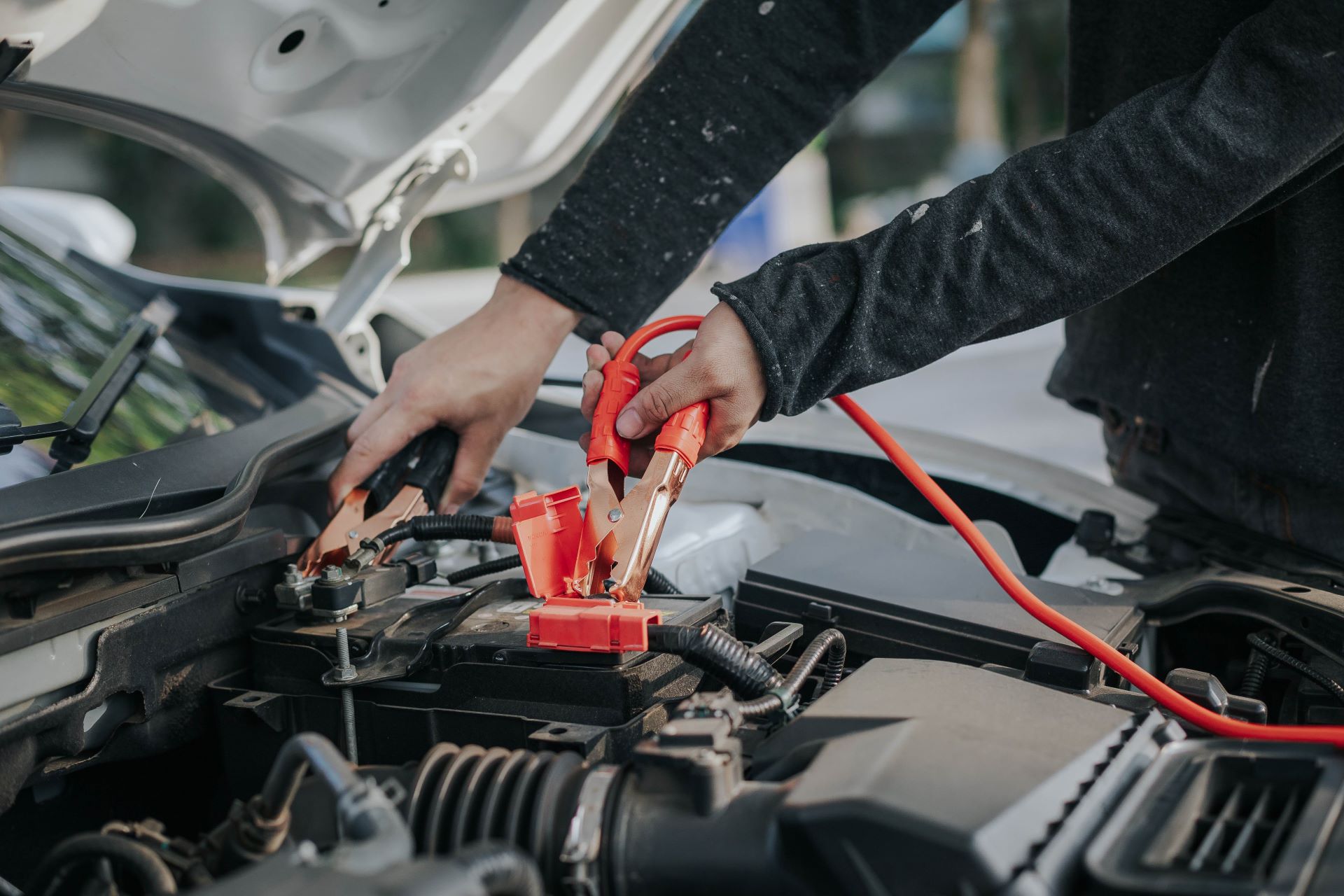
Spotting the Signs: Is Your Battery in Trouble?
Car batteries don’t just stop working out of the blue. There are clear warning signs that your battery is on the verge of failure, and spotting these can save you from being caught off guard. Premlall outlines the key signs to watch out for:
- Slow engine crank
- Dim headlights or electrical issues
- A clicking sound when turning the key
- Frequent need for jump-starts
- Dashboard battery warning light
- Electrical component malfunctions (like electric windows, radio, and air conditioning)
- A swollen battery case
- Sulphur or rotten egg-like smell near the battery area
- Corroded battery terminals
If you notice any of these symptoms, it’s time to take action before your battery completely dies.
Choosing the Right Replacement Battery
When it’s time to replace your battery, Premlall emphasizes the importance of choosing the right one. He advises that the most important things to consider are size, power rating, warranty, and brand.
“Not all car batteries are created equal,” he says. “Just because you find a ‘good deal’ doesn’t mean you’re getting a quality product. A cheaper battery might cost you more in the long run if it fails prematurely, leaving you stranded when you least expect it.”
Installation is just as crucial as selecting the right battery. Premlall warns against DIY installation by someone who doesn’t have the expertise: “Improper installation, such as reversing the positive and negative terminals, can cause electrical shorts, blow fuses, or damage sensitive electronics in your car.”
Loose connections can lead to intermittent power loss, while overtightening the battery clamps may crack the case and cause acid leaks. Installing an incompatible battery with the wrong voltage can strain the alternator and other electrical components, which will only lead to further issues.
Professional Installation: Quality is Key
For the best performance and longevity, Premlall stresses the importance of professional installation: “Quality is king when it comes to batteries. Get a reliable, powerful battery that’s built to last, and have it installed by experts at a reputable fitment centre. That way, you’re guaranteed proper and secure installation.”
Proper Battery Disposal: A Responsibility We All Share
Finally, as part of TEPA’s commitment to environmental responsibility, Premlall reminds drivers to dispose of their old batteries safely. Car batteries contain hazardous chemicals like lead and acid, which can pollute the environment if not disposed of properly.
“Choosing to exchange your old battery at a reputable fitment centre ensures it’s recycled responsibly, helping to protect our environment,” Premlall explains. “By doing so, you’re contributing to a cleaner, greener future.”
In Conclusion
A flat battery doesn’t have to leave you stranded. By understanding the different types of car batteries, staying alert to the warning signs, and choosing a quality replacement, you can keep your vehicle’s electrical system running smoothly. And remember, when in doubt, always call in the experts—because your car’s battery is far more complex than it might seem.


