

In a compelling call to action underscoring shared responsibility, the Retail Motor Industry Organisation (RMI) and the Department of Transport hosted a strategic media briefing on Wednesday, 30 April 2025, aimed at placing road safety firmly back on the national agenda. Held under the banner “Safety First: Post-Easter Road Safety,” the event united key stakeholders to amplify the importance of public-private partnerships in addressing South Africa’s alarming road safety statistics.
Attended by representatives from the Southern African Bus Operators Association (SABOA), the South African National Taxi Council (SANTACO), the National Liquor Traders Association (NLTA), and the Road Traffic Management Corporation (RTMC), the briefing supported the Department of Transport’s 2025 campaign “It Begins with Me.” At its core, the initiative seeks to foster a culture of personal accountability and collective action in reducing road fatalities.
A National Challenge with Broad Consequences
Deputy Minister of Transport, Mr Mkhuleko Hlengwa, opened the discussion with a sobering reminder that road accidents are not merely individual tragedies — they are national crises with ripple effects that extend into healthcare, education, and economic productivity.
“Just one accident on the R21 can delay thousands of people,” he stated. “That same accident places pressure on already strained hospitals, disrupts school attendance, and impacts our economy. Saving lives must become a shared priority that transcends seasonal campaigns.”
Hlengwa praised the South African Police Service (SAPS) for their consistent enforcement across all nine provinces and reiterated government’s commitment to strengthening infrastructure and law enforcement. He also commended the breadth of collaboration between civil society and government, noting that it is only through such collective efforts that meaningful progress can be achieved.
The Role of the Private Sector in Road Safety
Representing South Africa’s largest automotive aftermarket organisation, RMI’s Chief Executive Officer: Strategy and Corporate Support, Ipeleng Mabusela, emphasised the indispensable role of the private sector in complementing government’s road safety efforts.
“With over 8,500 member businesses, contributing 2.1% to GDP and employing more than 300,000 people, the RMI is deeply invested in the wellbeing of both industry and society,” said Mabusela. “We’re here today because road safety isn’t a seasonal concern. It should be embedded in our national consciousness year-round.”
Mabusela called attention to the frequently overlooked but critical vehicle-related causes of road accidents. “While human error and environmental factors are widely recognised, issues like worn tyres, faulty brakes, poor suspension and ineffective wipers remain underestimated contributors to serious incidents.”
Roadworthiness Must Be the Rule, Not the Exception
Currently, just over 21% of South Africa’s 13.3 million registered vehicles are legally required to undergo roadworthy testing. Mabusela argues this is insufficient in addressing the sheer scale of unroadworthy vehicles operating on public roads.
“Stricter and more regular testing is not a nice-to-have — it’s a necessity. The data is clear: tyre failures, brake issues, and malfunctioning lights are preventable if caught early through proper inspections,” he said.
To bridge the gap, RMI encourages motorists to voluntarily participate in Multi-Point Inspections (MPIs), especially when buying a used car or if the vehicle is more than five years old. MPIs go beyond the basics to assess the overall condition of the vehicle, offering peace of mind and preempting more serious mechanical failures.
Zero Tolerance for Fraud in the Testing Sector
Addressing a major weakness in the current roadworthiness system, Mabusela reiterated RMI’s zero-tolerance stance on fraud within the vehicle testing sector.
“A vehicle must be physically present to be certified roadworthy,” he stressed. “Unfortunately, fraudulent certifications do occur, sometimes across provincial lines, which not only endangers lives but undermines the credibility of compliant test stations.”
Technology, he noted, will be key to closing this gap. “Automating parts of the test lane process — such as brake testing — can reduce human manipulation and error. We welcome the Department of Transport’s efforts to advance these standards in line with global best practices.”
Free Safety Checks: An Essential Public Service
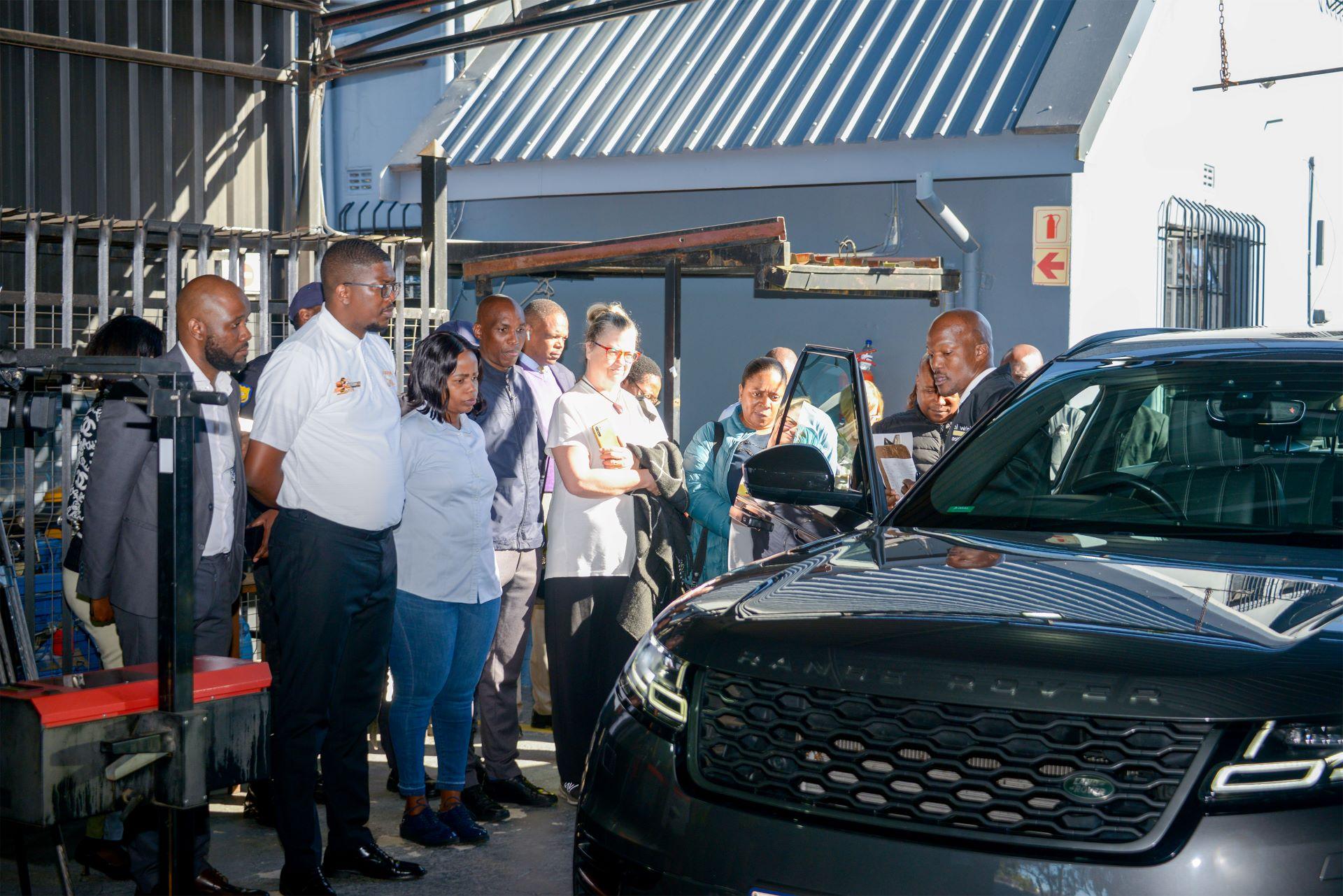
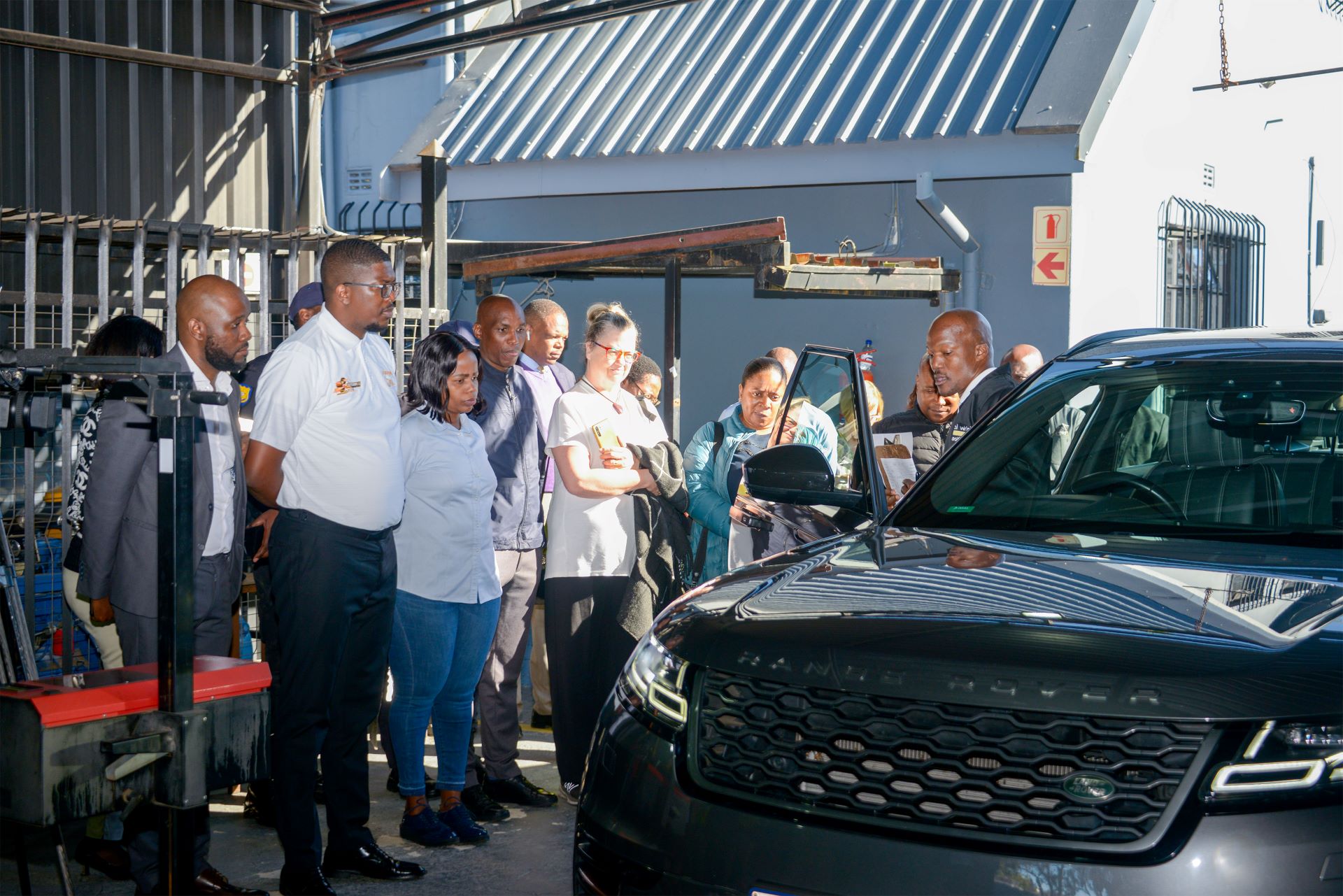
Mabusela also spotlighted the value of community-focused initiatives like free vehicle safety checks, which are conducted periodically in collaboration with the Vehicle Testing Association (VTA). Over the recent Easter period, for example, VTA test stations in key provinces conducted 193 checks at the Gene Louw Traffic College in the Western Cape. Alarmingly, 74.7% of vehicles assessed at the seven AVTS stations failed.
“These are not minor failings. Each of those vehicles represents a potential hazard on our roads,” he warned. “We urge all motorists to take advantage of these free checks and to see vehicle maintenance not as an expense, but as an investment in their safety and that of others.”
Driving a Culture of Accountability
As the media briefing concluded, both government and industry leaders reiterated the same message: the road to safer roads begins with individual responsibility — and is reinforced through strategic collaboration.
“We are proud of the strides already made through public-private cooperation,” said Mabusela. “But to truly shift the needle on road safety, we must build a national culture where accountability, compliance, and care are second nature — not exceptions.”
With renewed commitment from all sectors and a growing awareness among the motoring public, the “It Begins with Me” campaign signals a hopeful turning point in South Africa’s ongoing journey toward safer, smarter, and more responsible road use.


