




As families across England and Wales prepare for bank holiday getaways to popular destinations like theme parks, seaside resorts, and beauty spots, the importance of road safety cannot be overstated. According to GEM Motoring Assist, a leading breakdown and road safety organisation, up to 20% of all road crashes are linked to driver fatigue, with fatigue being a factor in a quarter of all fatal accidents.
To minimize the risk of fatigue-related collisions, GEM offers crucial advice to motorists. Ensuring that you get a good night’s sleep before embarking on your journey is paramount. Fatigue significantly impairs driving ability, especially if you’re behind the wheel during early morning or late-night hours in an attempt to beat the traffic.
James Luckhurst, GEM’s Head of Road Safety, emphasizes the need for careful planning during the bank holiday weekend. With heavy traffic expected on major motorways and tourist routes, coupled with a widespread program of roadworks on smart motorways, extra time should be allocated to account for potential delays.
“Being tired when you’re driving raises the risk of a collision,” Luckhurst warns. “Watch out for the warning signs of fatigue, such as difficulty focusing, frequent yawning, and fidgeting. As fatigue progresses, it becomes harder to maintain concentration, and you may find yourself drifting out of lane or struggling to maintain a consistent speed.”
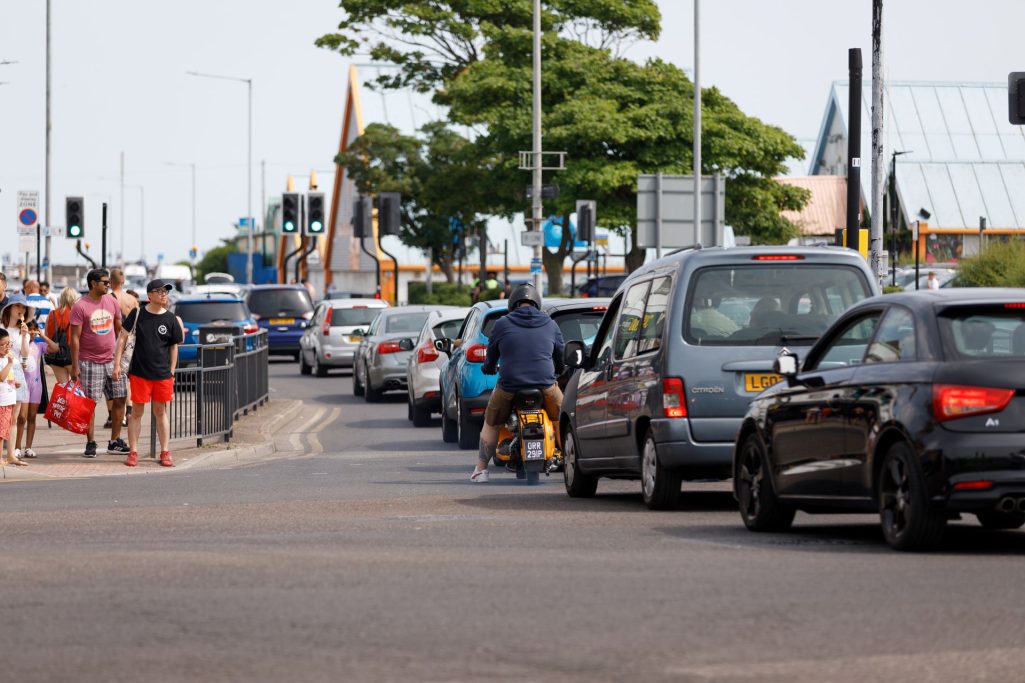
To combat fatigue and stay safe on the road, GEM offers the following tips:
- Prioritize sleep: Ensure you’re well-rested before a long journey.
- Plan your journey: Allow ample time to reach your destination without rushing, and consider potential roadworks and traffic delays.
- Share the driving: If possible, alternate driving duties with a co-driver who has the necessary insurance coverage.
- Stay hydrated: Drinking enough water helps keep you alert, particularly on long, hot drives.
- Take regular breaks: Stop for at least 15 minutes after every two hours or 100 miles. Use this time to stretch, walk, or have a caffeine drink to boost alertness.
- Schedule a longer break: If you’re driving all day, break up the journey with an hour-long rest in the middle of the day.
- Avoid long solo drives: If possible, avoid driving long distances alone.
- Don’t drive late: Try to avoid driving during hours when you would typically be asleep.
Following these simple tips can significantly reduce the risk of accidents caused by fatigue, ensuring that your bank holiday journey is both safe and enjoyable. Stay vigilant, stay alert, and above all, stay rested.


