




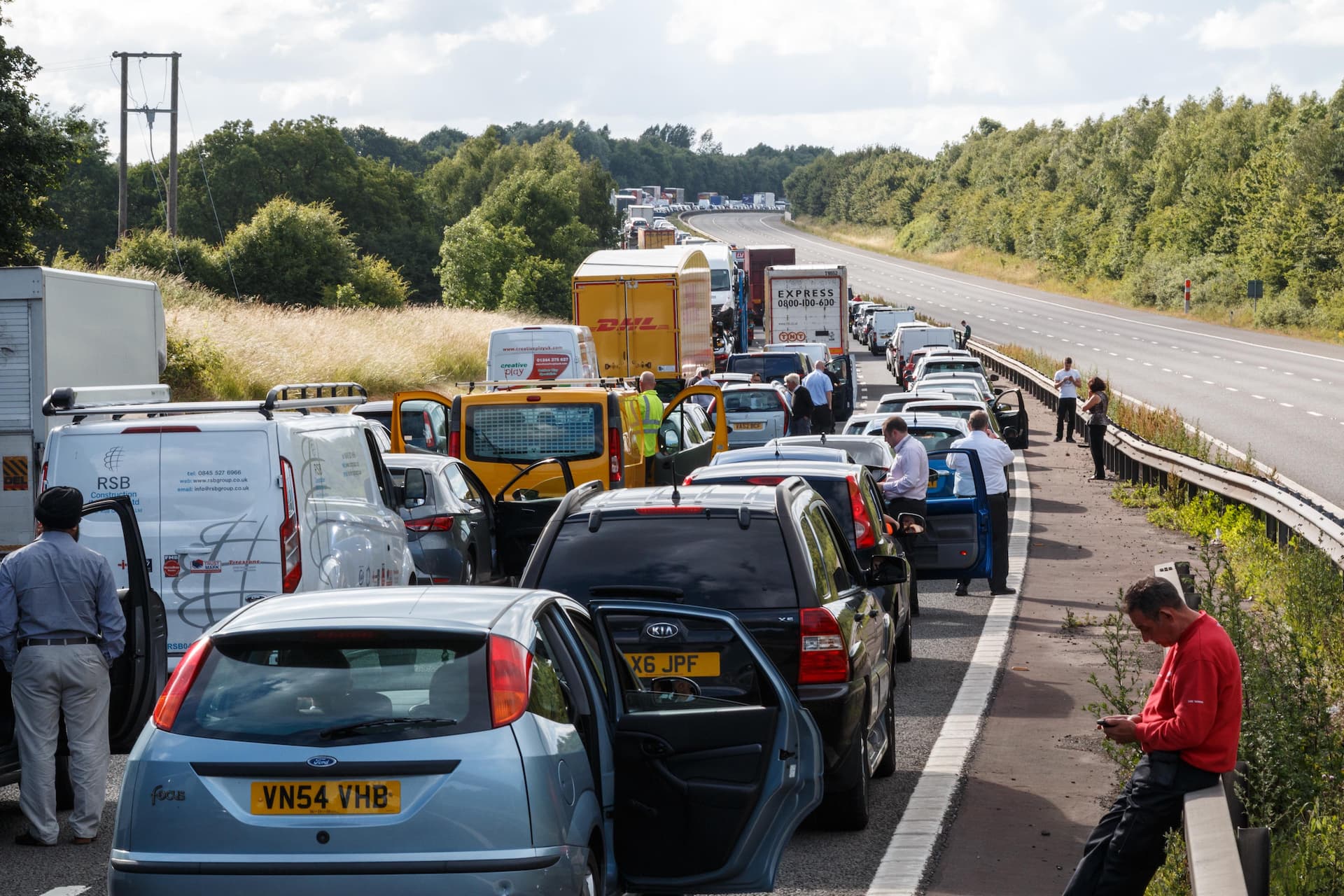
Breakdown and road safety organisation GEM Motoring Assist is encouraging drivers to reduce the stress that can so easily spoil a bank holiday journey. A forecast of warm, sunny weather all through the weekend is sure to tempt thousands of families and groups to head off on weekend breaks all over the country, says GEM.
GEM chief executive Neil Worth comments: “We want everyone to have a great time in lovely good weather. So wherever you’re heading this bank holiday, take some time to do some journey planning, and make sure both you and your vehicle are in good shape before you hit the road.”
Route planning
If possible, avoid being on the road at the busiest – or the hottest – times. This is particularly important if you are heading to the seaside, a port or airport, or to a large summer event along with thousands of others. Check in advance for roadworks on your journey, leave plenty of time to help you stay calm and in control at the wheel.
Car checks
Take time to ensure your car is in good shape before a long journey. Check your fuel or charge levels, deal with any warnings or defects, check tyre pressures and treads and make sure your screenwash is topped up.
Fatigue
Being tired when you’re driving raises the risk of a collision, because you’re less aware of what’s happening around you. Your ability to react is impaired if a risky situation develops. That’s why fatigue can be a factor in up to 20% of all road collisions, and up to 25% of fatal and serious crashes1.
So get a good night’s sleep before you drive a long journey. Build in time to reach your destination (or your night-stop) without rushing, and try to remove time pressures wherever possible.
Parking
Estimates from the insurance industry suggest there are more than 1,000 low-speed collisions in car parks every day, with the average repair bill topping £15002.These collisions lead to door, bumper, wheel and bodywork damage.
Reduce stress by pre-booking a parking place if you’re heading to a popular destination. Don’t rush when parking: do everything slowly and carefully to reduce stress and minimise the risk of a bump.
Drink-driving
If you’re planning to have a drink or two, make sure you don’t drive afterwards. If you need to drive, then stay on soft drinks. After all, there is no reliable way to calculate how much alcohol you can drink and stay below the limit.
Comments
Newest firstLoading comments…