



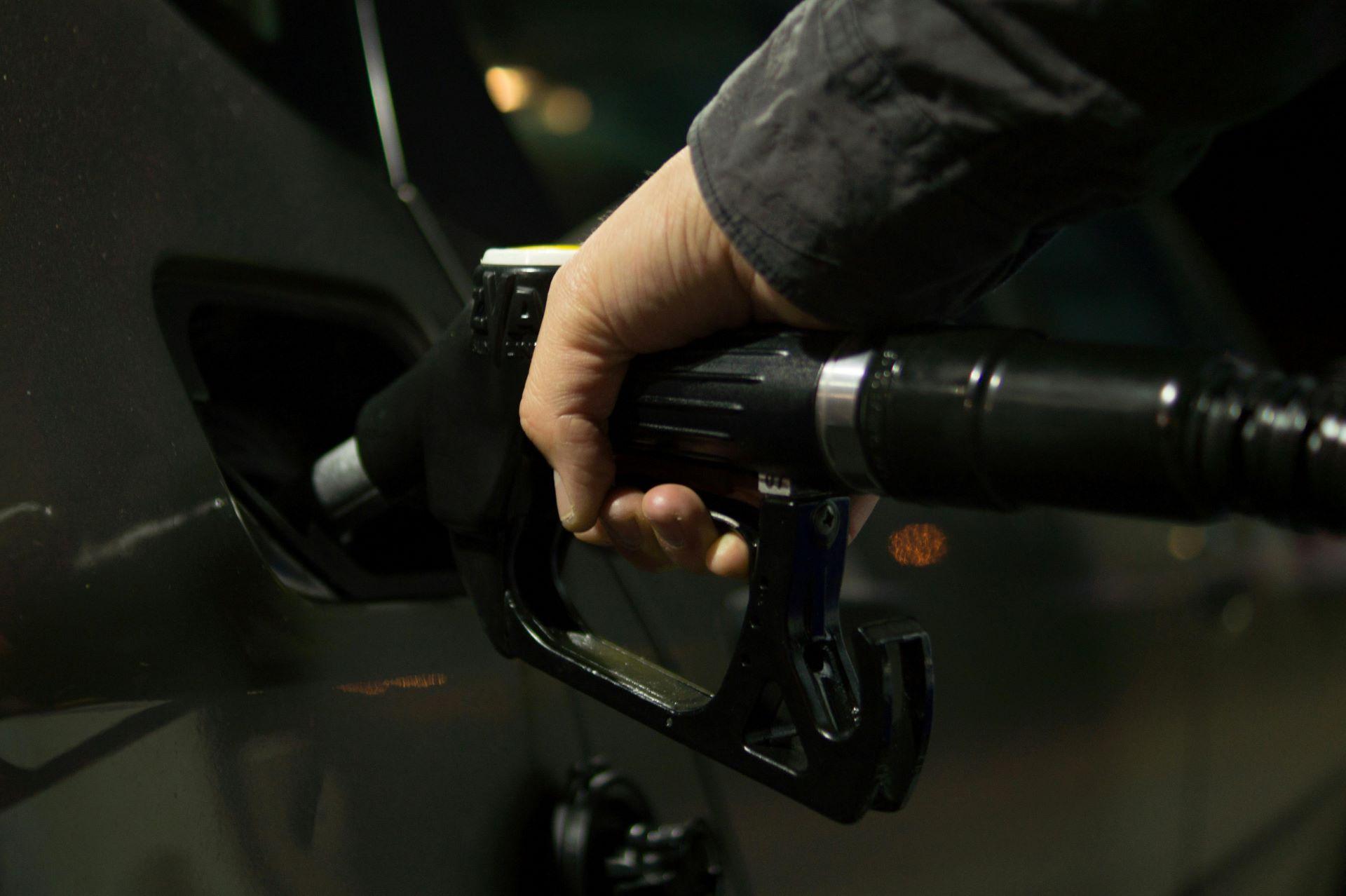
In recent weeks, South African motorists have faced an unsettling warning of potential fuel shortages across the country, with Cape Town metro already feeling the impact. Last week, many stations around Cape Town reported a scarcity of 95 ULP (Unleaded Petrol), as an unplanned refinery outage disrupted supply. In response, a fuel vessel originally destined for Durban was redirected to Cape Town, ultimately stabilizing the supply chain despite challenging weather conditions.
As fuel prices are set to climb further in November, Eugene Herbert, CEO of MasterDrive, emphasized the importance of adopting fuel-efficient driving habits to counter rising costs. “This is a good reminder to drive economically, reducing fuel consumption where possible,” he said, underscoring how small adjustments can lead to significant savings. To help South African drivers combat these price hikes and potential supply disruptions, MasterDrive offers its top ten fuel-saving tips, applicable whether for managing costs, facing shortages, or preparing for December travel.
MasterDrive’s Top 10 Fuel-Saving Tips
Tyre Pressure
Maintaining the correct tyre pressure is one of the simplest ways to improve fuel efficiency. Checking your tyres regularly with a pressure gauge and ensuring they meet Original Equipment Manufacturer (OEM) specifications can save up to 3-5% on fuel by reducing rolling resistance.
Telematics for Route Planning
Real-time telematics can optimize routes, correct costly driving behaviors, and minimize fuel-wasting habits. Implementing telematics can reduce fuel usage by an impressive 5-15%, especially valuable for commercial fleet operators.
Controlled Acceleration
Avoid harsh acceleration by maintaining safe following distances, which reduces the need for frequent braking and re-acceleration. By accelerating gently, drivers can cut fuel consumption by as much as 15%.
Optimal RPMs for Gear Shifts
For drivers with manual vehicles, shifting gears before reaching 3,000 RPM can significantly boost fuel economy. This practice alone can save up to 20% on fuel costs over time.
Defensive Driving Techniques
Defensive driving habits, such as anticipating traffic conditions and maintaining a 12-second lookout, can lower fuel consumption up to 20%. MasterDrive recommends defensive driving training to master these techniques, yielding both safety and financial benefits.
Moderate Speeds
Lower speeds decrease drag and rolling resistance, which can save fuel. Reducing driving speed by just 20 km/h can result in fuel savings of up to 20%, particularly beneficial during long-distance travel.
Avoid Aggressive Driving
Aggressive driving behaviors, like rapid acceleration and heavy braking, decrease fuel efficiency by 15-30% on highways and up to 40% in city traffic. By staying calm and collected behind the wheel, drivers can maximize fuel economy.
Lighten the Load
Unnecessary weight in your vehicle increases fuel consumption. Each extra item raises fuel use by about 1%, so regularly declutter your car, especially for frequent commutes.
Efficient Route Planning
Mapping out efficient routes prevents unnecessary detours that waste fuel. This is especially crucial for fleet operations, where educating drivers about the impact of out-of-route trips can bring cost savings.
Avoid Unnecessary Idling
If your car is idling for more than 30 seconds, fuel is being wasted. Contrary to popular belief, modern vehicles don’t require idling to “warm up,” as sensors now regulate fuel consumption efficiently.
The Power of Combined Effort
While each of these practices can individually improve fuel efficiency, Herbert stresses the importance of a combined approach. “Only following one tip and expecting a 20% reduction is unrealistic. It takes a concerted effort in all aspects of driving to see tangible results,” he explains. Moreover, variables such as driving style, vehicle type, regional factors, and fuel grade will affect individual savings outcomes, with percentages given reflecting potential maximums rather than guaranteed savings.
As South Africa grapples with fluctuating fuel availability and escalating costs, adopting these fuel-saving strategies can provide much-needed financial relief for motorists while fostering a culture of economical, responsible driving.


