



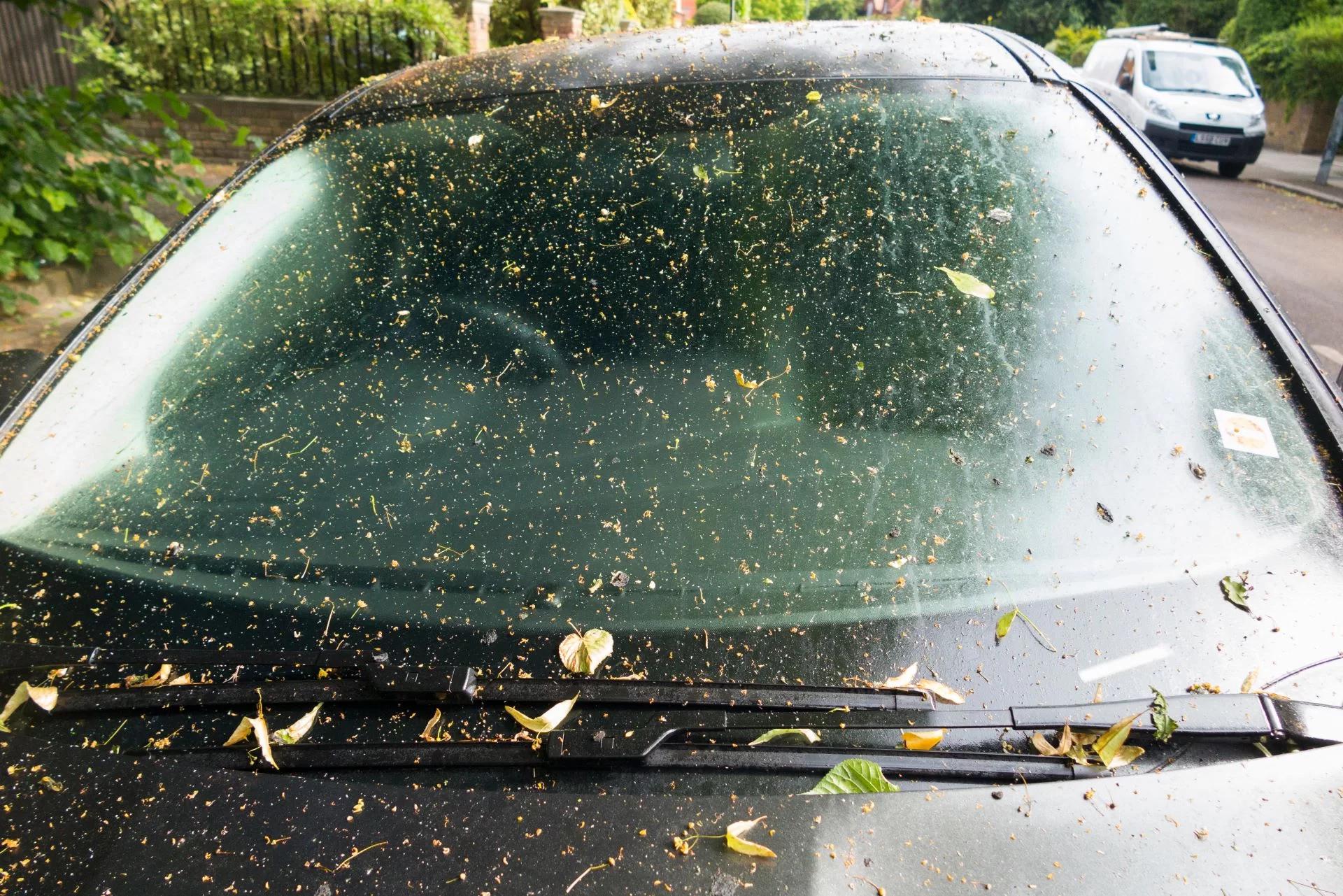
Letchworth, 17 July 2024 – Car owners are increasingly facing the challenge of dealing with tree sap on their vehicles, especially as summer temperatures rise. While social media is filled with quick-fix hacks involving razor blades and rubbing alcohol, these methods can cause more harm than good. Renowned car care brand Autoglym has stepped in with professional advice on how to safely address this sticky issue.
Understanding Tree Sap
Tree sap, often a blend of resins from coniferous trees like pine and fir, as well as honeydew produced by aphids on deciduous trees such as oak, birch, and maple, can quickly become a persistent problem. Due to its high sugar content, sap hardens rapidly and, if left untreated, becomes increasingly difficult to remove without damaging the vehicle’s paintwork and trim.
The Dangers of Quick-Fix Hacks
Social media platforms abound with various hacks suggesting the use of acetone, alcohol, anti-bacterial hand gel, lacquer thinner, turpentine, nail polish remover, petrol, and WD40 to remove sap. While these substances might help dissolve hardened sap, they can also damage vehicle plastics, rubber trims, and strip away protective coatings. One particularly risky hack involves scraping sap with a razor blade, a technique that can easily result in costly damage requiring professional repair.
The Growing Problem
The Royal Horticultural Society predicts that tree sap on vehicles will become more prevalent as UK temperatures continue to rise and aphid populations flourish. Currently, there are over 5,000 aphid species in the UK, with up to 2.5 million aphids potentially inhabiting a single tree, contributing to the problem.

Autoglym’s Top 10 Tips for Avoiding and Removing Tree Sap
Frequent Checks and Prompt Cleaning
During early summer, when sap deposits are most common, inspect your car regularly and wash off any sap promptly to prevent it from hardening.
Strategic Parking
Avoid parking under trees, especially fruit and maple trees, which attract aphids that produce honeydew.
Consider Wind Direction
Even if not directly under trees, wind can carry sap deposits to your car, so be mindful of parking locations relative to wind direction.
Beware of Rain
Rain can cause sap to fall from leaves and prompt aphids to move, exacerbating the sap problem rather than washing it away.
Safe Removal Techniques
Soften sap residues with warm water before using a suitable car care solution. Avoid rubbing forcibly as it can cause scratches and damage to the paintwork.
Gentle Washing Process
Use plenty of soapy water and gently agitate the sap without allowing the suds to dry out. Repeat as necessary.
Snow Foam Treatment
Utilize snow foam, such as Autoglym’s Polar Blast, Polar Wash, and Polar Seal, to soften sap deposits effectively and protect the paintwork.
Clay Bar Treatment
If sap remains after washing, use an automotive clay bar (e.g., Autoglym Clay Detailing Complete Kit) to gently lift sap and other contaminants from the paintwork.
Solvent-Based Products
For tougher, baked-on sap, use a solvent-based product like Autoglym Intensive Tar Remover designed to soften and lift residues.
Preventive Measures
Apply protective coatings like polishes, waxes, or sealants (e.g., Autoglym Rapid Ceramic Spray) after washing to create a barrier that makes future sap removal easier.
For Autoglym products, visit Autoglym.com, Amazon.co.uk/Autoglym, in-store or online at Halfords, or independent car care retailers.


