



In a landmark moment for sustainable live music, Massive Attack’s headline performance at East London’s LIDO Festival went fully electric — not just in energy, but in ambition and execution. Thanks to a collaboration between Mercedes-Benz Trucks, AEG, and KB Events, the iconic band’s set was powered entirely by battery energy, marking a bold departure from the diesel-fuelled norm of large-scale live events.
This unprecedented feat was made possible by three state-of-the-art Mercedes-Benz eActros 600 electric trucks — each capable of travelling over 500km on a single charge — which delivered more than just gear. They delivered the backbone of a new, cleaner concert model. Lighting, sound systems, staging equipment — all ran exclusively on battery power, making Massive Attack’s set a showcase for what a net-zero music future looks like.
Turning Vision into Action
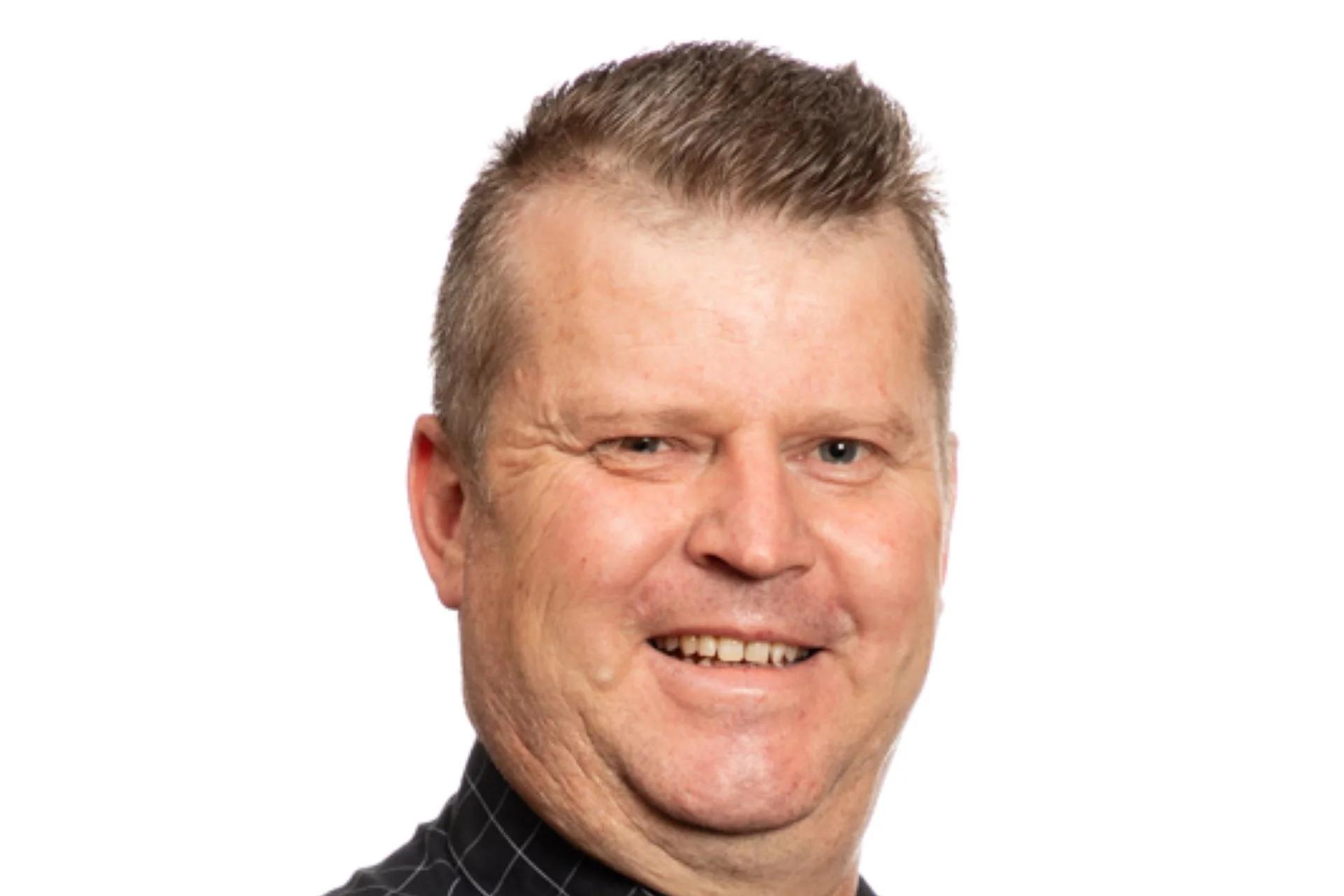
At the heart of the operation was Jamal Chalabi, Massive Attack’s Tour Manager and the Head of Touring for sustainability organisation A Greener Future. With a longstanding commitment to decarbonising live events, Chalabi’s mission at The LIDO Festival was clear: to eliminate fossil fuels and demonstrate that electrification isn’t a concept of tomorrow — it’s here today.
“Electrification and the elimination of fossil fuels must become top priorities for every band,” said Chalabi. “We’re running out of time. We must go where we need to be — not just meet people where they are.”
Chalabi’s leadership was instrumental in transforming Massive Attack’s Bristol show into their first battery-electric concert, and now, with the LIDO Festival, he’s scaled the concept into a high-impact, multi-partner initiative that slashed emissions by an estimated 50 tonnes.
Breaking the Generator Habit
Festivals and arena shows are often powered by diesel generators — essential but polluting. The LIDO Festival flipped that script entirely. For the first time, an entire headline performance, including the behind-the-scenes logistics, ran without a drop of fossil fuel.
“The electric atmosphere wasn’t just from the band,” Chalabi said. “It powered the whole show.”
This was not simply about reducing carbon footprints, but about rewriting the blueprint for touring logistics. One of the three eActros 600 trucks carried Massive Attack’s production materials through every leg of the supply chain — depot to supplier, to arena, to stage — busting the myth that electric transport isn’t viable for high-demand events.
A Proven Platform for Change
The eActros 600, recently named International Truck of the Year 2025, stood up to the task. With advanced aerodynamics, cutting-edge drivetrain technology, and ample range, the trucks impressed not only logistics coordinators but the drivers themselves.
James Baseley, Head of Production for Massive Attack, utilised one of the trucks for complete end-to-end transport. The result? A seamless, fully electric supply chain — and powerful proof that electric arena touring isn’t just possible, it’s already happening.
Stuart Jeggo, Sales & Marketing Manager at Daimler Truck UK, praised the effort as a transformative moment for both the music and transport industries.
“Live music relies heavily on logistics,” he said. “We’re proud that the eActros has helped significantly reduce the environmental impact of the LIDO Festival. This is just the beginning of our work with the music industry — and a meaningful step towards sustainable live events.”
Jeggo also acknowledged the crucial role of Mercedes-Benz Trucks’ dealer partners — Euro Commercials, Mertrux Truck & Van, Northside Truck & Van, and Rygor Auto — in providing the vehicles and ensuring their seamless integration into the event’s logistics.
The Music Industry as a Climate Catalyst
With live music often seen as a cultural bellwether, Chalabi believes the sector has a unique role to play in the climate conversation.
“The music industry has global influence,” he said. “It’s a microcosm of society with a voice people listen to. Artists must align their sustainability messaging with real backstage practices. We’ve shown it can be done — and the eActros 600 trucks are central to this new philosophy.”
Chalabi’s journey toward sustainable touring began with Bring Me The Horizon’s 2021 post-pandemic arena tour, which saw a 38% reduction in emissions. He’s since championed the cause with Massive Attack, pushing innovation and consciousness across every aspect of live production — from energy and transport to catering and waste.
“Food accounts for 25% of global emissions — and we waste half of it. But even with that in mind, our biggest offenders are generators, trucking and travel,” he said. “That’s where electrification delivers real, immediate impact.”
Charging into the Future
The LIDO Festival was more than a concert. It was a manifesto — a working model of how music, technology, and logistics can harmonise in the name of sustainability. With partners like Mercedes-Benz Trucks leading the charge, the barriers to a greener industry are falling away, one kilometre at a time.
“We’ve just proved it’s possible,” Chalabi concluded. “Now, there’s no excuse not to follow.”
As electric trucks roll silently into the spotlight, a new era of touring is dawning — one where the show goes on, but not at the planet’s expense.


