



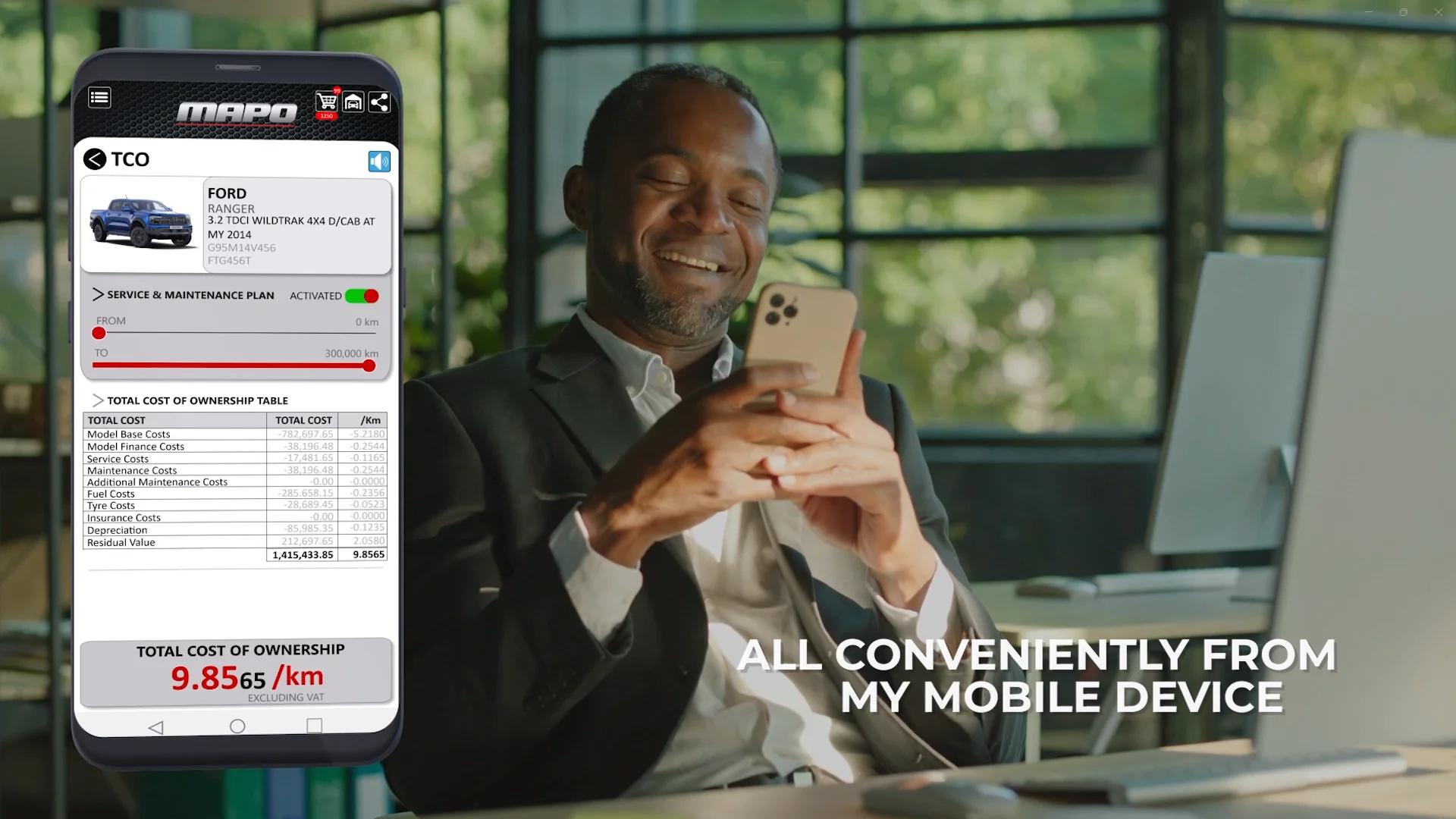
For decades, buying a car has been as much about emotion as it has about practicality. Shiny brochures, polished showroom floors, and persuasive sales pitches often overshadowed the cold, hard numbers of ownership. Today, however, consumers demand more than marketing gloss—they want data, and they want it fast.
This shift has given rise to a new generation of research tools, none more notable in South Africa than MAPO’s Vehicle Running Cost application. Unlike traditional spec sheets or manufacturer websites, it doesn’t merely list acceleration times or infotainment features. Instead, it tackles the questions buyers live with daily:
- How much will servicing cost over the next five years?
- What will the resale value be when it’s time to trade in?
- Will maintenance expenses outpace fuel costs?
In other words, it forces us to look beyond the sticker price and consider the long game: the Total Cost of Ownership (TCO). “This app doesn’t replace the joy of buying a car—it ensures that joy comes without financial surprises later,” says the team behind MAPO.
Why Transparency Matters More Than Ever
The South African automotive landscape is shifting. Rising fuel costs, fluctuating interest rates, and the increasing presence of hybrid and electric vehicles have made affordability a question of sustainability, not just purchase price.
For years, buyers choosing the cheapest entry-level models often found themselves trapped by punishing parts costs or steep depreciation. Those hard-earned lessons have created a hunger for transparency.
MAPO’s Vehicle Running Cost app addresses this gap. It doesn’t diminish the excitement of a test drive; it ensures buyers approach it with their eyes wide open. The app acts as a research companion, providing clarity where previously there was uncertainty.
Data as the Great Equalizer
Historically, salespeople controlled information. Buyers might have known fuel economy or boot space, but the long-term realities of service intervals, depreciation, and maintenance often remained a mystery.
With tools like MAPO, that dynamic changes. Consumers can arrive at dealerships armed with competitor comparisons, detailed cost breakdowns, and even parts pricing. Conversations shift from “trust me” to “let’s look at the numbers together.”
“When buyers come prepared with data, salespeople are challenged to be sharper, more transparent, and more value-driven,” notes industry experts.

Beyond Specs and Comparisons
The app still covers the essentials: detailed specifications, competitor suggestions, and even a VIN scanner for identifying cars directly from license disks. Its “virtual garage” lets buyers save and revisit models, while a finance calculator provides realistic monthly payment estimates.
Yet the app’s true significance is cultural. It signals a shift from blind brand loyalty and emotional decision-making to informed pragmatism. The romance of car buying remains intact—but the thrill is no longer shadowed by financial regret months later.
The Bigger Picture
Globally, the automotive industry has been moving toward transparency for years. Local solutions like MAPO’s show that South Africa is not just keeping pace—it is setting new benchmarks.
As electric vehicles slowly enter the mainstream, tools that provide clear, consumer-friendly data will become indispensable. From battery replacement costs to charging infrastructure and long-term depreciation, buyers need reliable insight more than ever.
“Transparency isn’t killing the excitement of car buying—it’s making it sustainable,” says the app’s developers.
A Shift Worth Celebrating
Editorial debates often question whether technology simplifies or complicates life. In the case of MAPO’s Vehicle Running Cost app, the answer is simple: it simplifies car buying by making it more honest.
Cars will always stir emotions, but they are also financial commitments with long-term impacts on household budgets. By putting service costs, TCO, and depreciation front and centre, tools like this ensure the joy of a new purchase is matched by the peace of mind that comes from making the right decision.
The future of car buying in South Africa is being reshaped by transparency. Fewer surprises, smarter choices, and more confident consumers—that is a shift worth celebrating.


