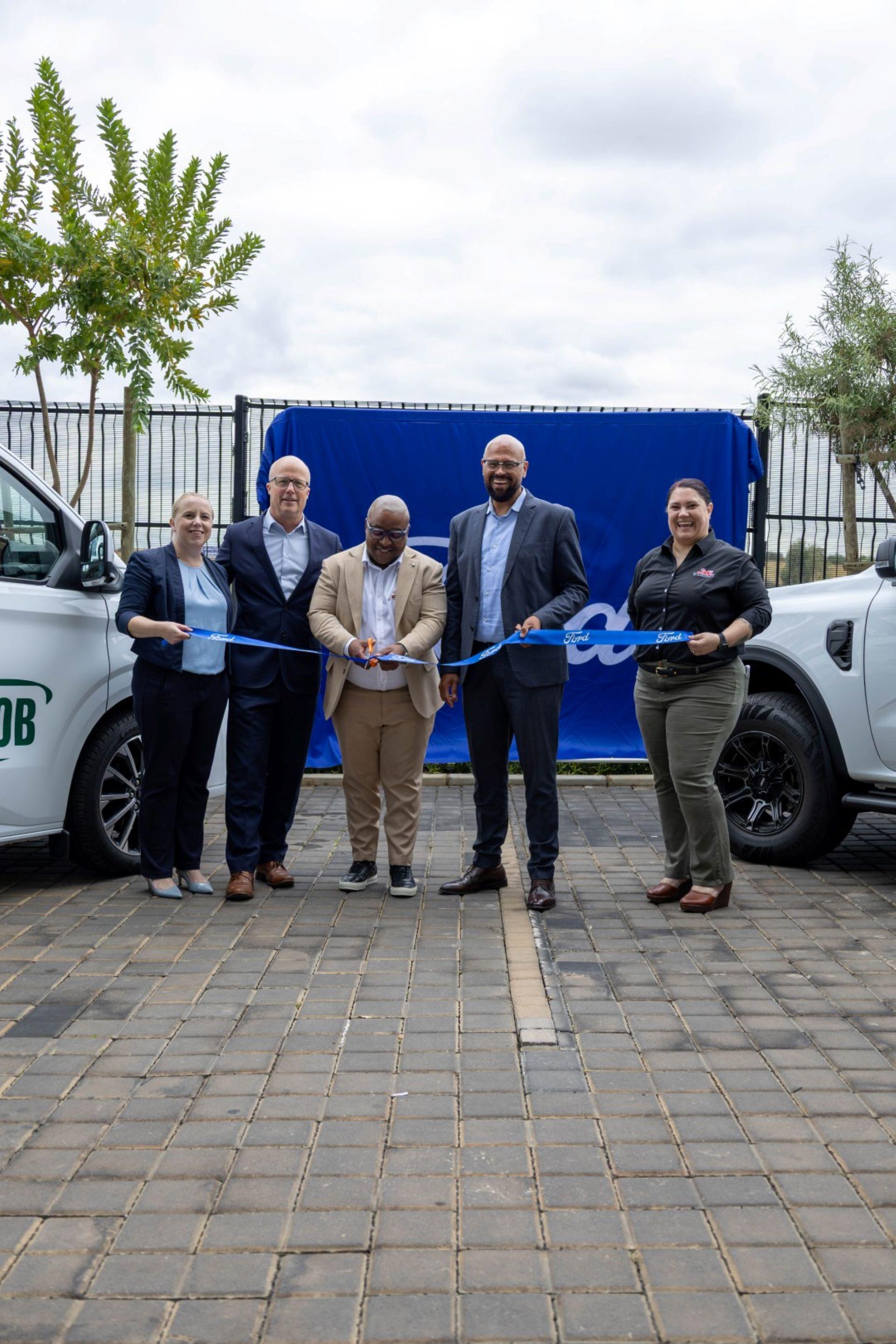



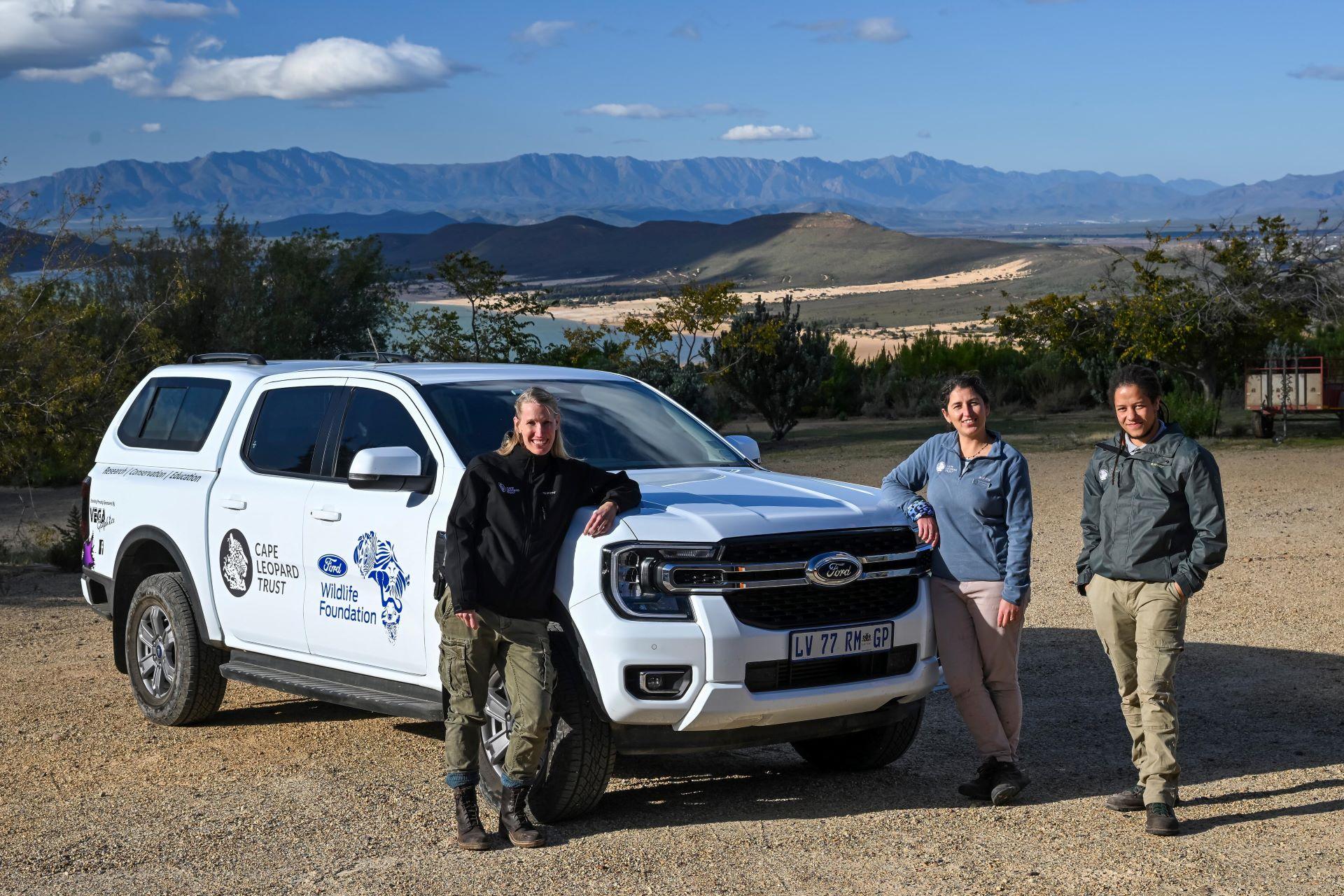
PRETORIA, SOUTH AFRICA, 26 June 2025 – In the rugged mountain ranges of South Africa’s Western Cape, an elusive predator roams – rarely seen, seldom understood, and increasingly vulnerable. For over two decades, the Cape Leopard Trust (CLT) has worked tirelessly to change that. With the enduring support of the Ford Wildlife Foundation (FWF) and the trail-ready Ford Ranger, the CLT continues to push the boundaries of wildlife research, conservation, and education.
From a Wild Vision to a Conservation Force
Established in 2004 with the ambitious goal of studying leopards in the remote Cederberg Wilderness, the CLT has grown into a respected authority on predator ecology. What began as a pioneering effort to learn about South Africa’s least understood big cat has evolved into a multi-disciplinary organisation guided by three powerful pillars: research, conservation, and environmental education. Through this holistic approach, CLT not only gathers vital scientific data but fosters coexistence between communities and predators.
At the heart of this effort is a shared commitment to South Africa’s natural heritage – and a recognition that true conservation requires both knowledge and access.
Eyes in the Wild: The Power of Camera Traps
To monitor the elusive leopards of the Cape, CLT relies on one of the most effective tools in modern field biology: the camera trap. These motion- and heat-sensitive cameras capture images of wildlife around the clock without disturbing their behaviour. For researchers, each image tells a story. The unique rosette patterns on a leopard’s coat allow individuals to be identified and tracked over time, making it possible to estimate population densities and observe long-term trends.
One key site for this work is the Boland Mountain Complex (BMC), a vast and ecologically rich region surveyed by CLT since 2010. The most recent 2025 study spans 2,500 km², with 90 paired camera trap stations monitoring wildlife across protected reserves and private land, including Klipbokkop Mountain Reserve, a long-time partner of the Trust.
Built for the Wild: The Essential Ford Ranger
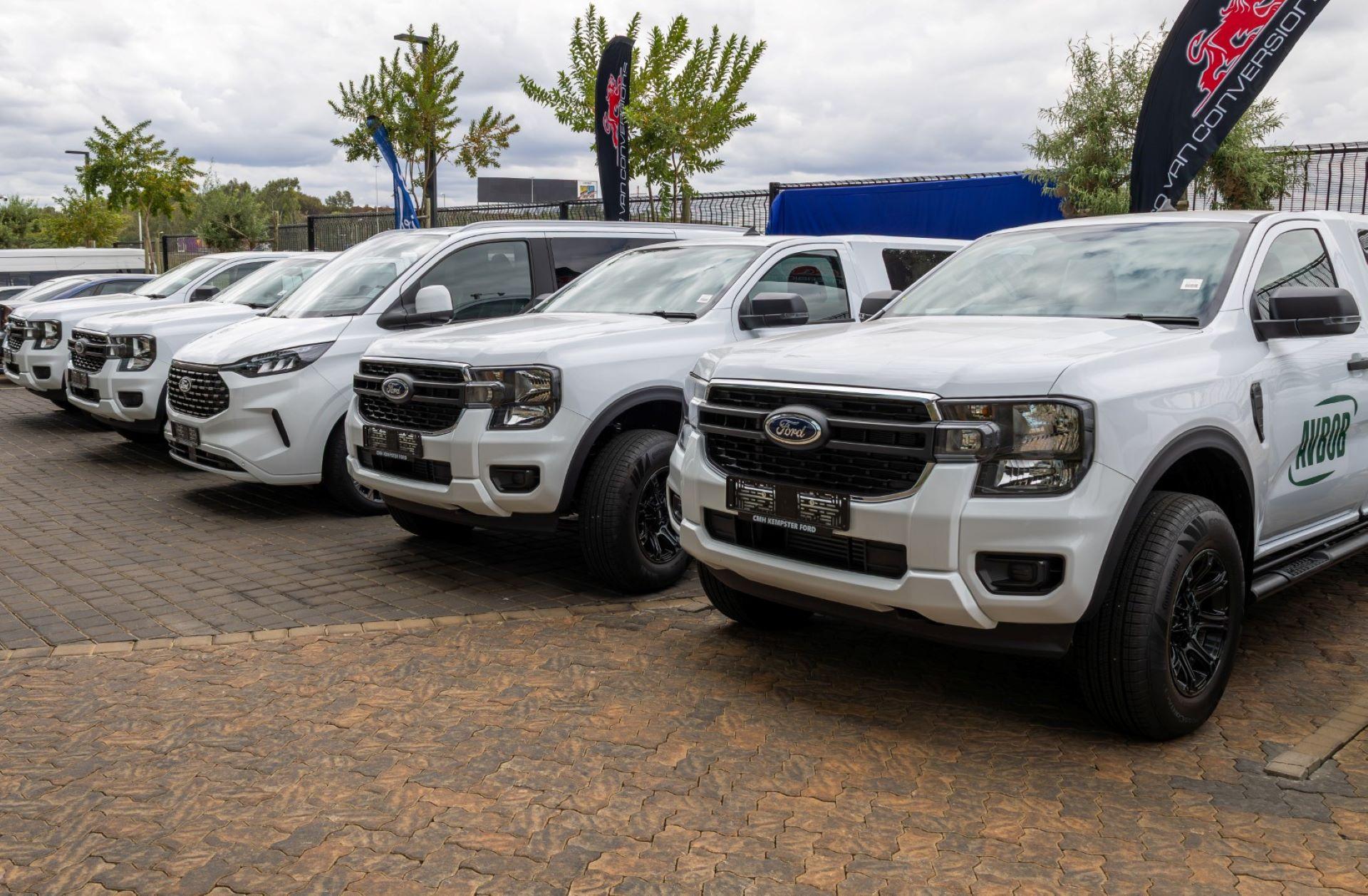
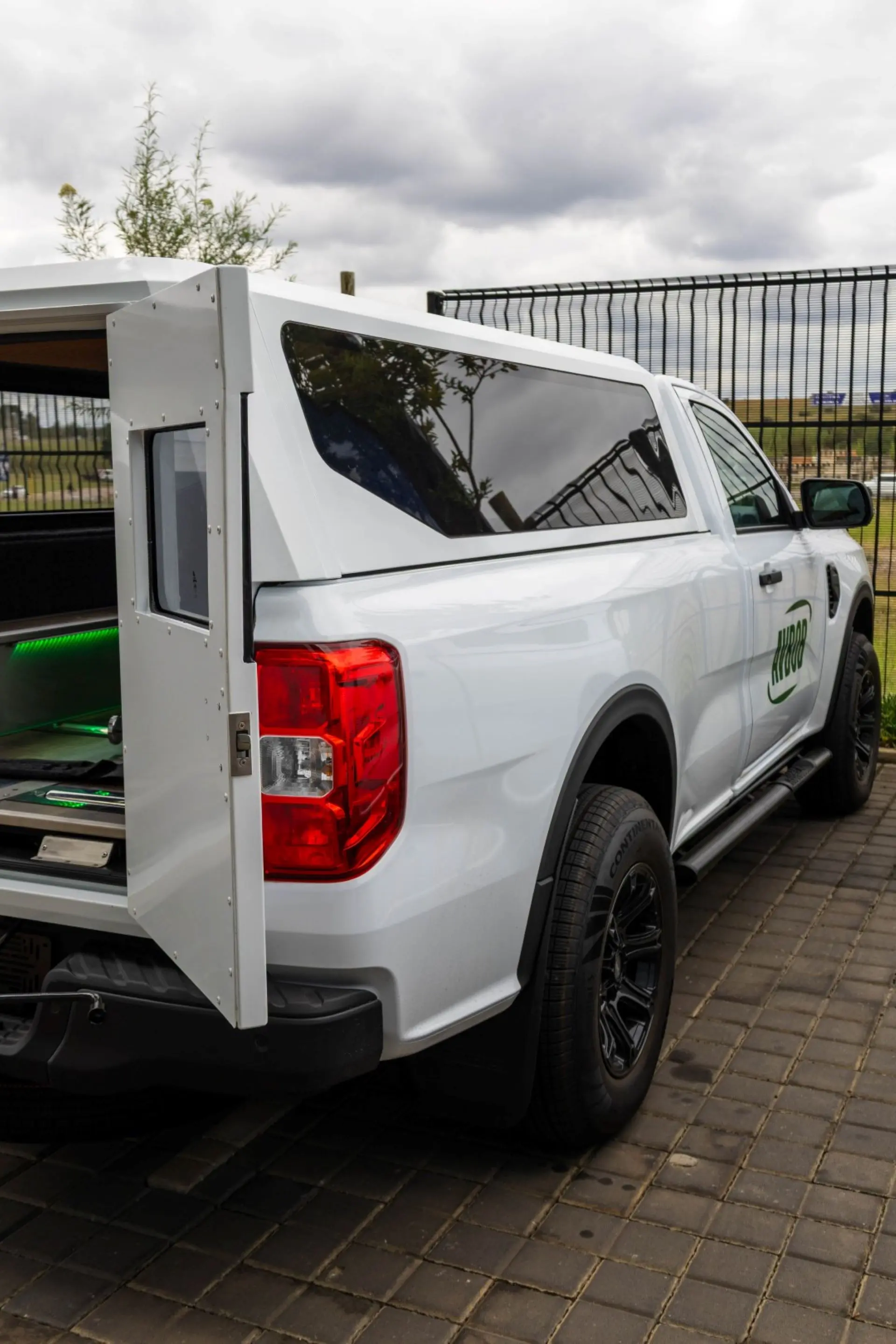
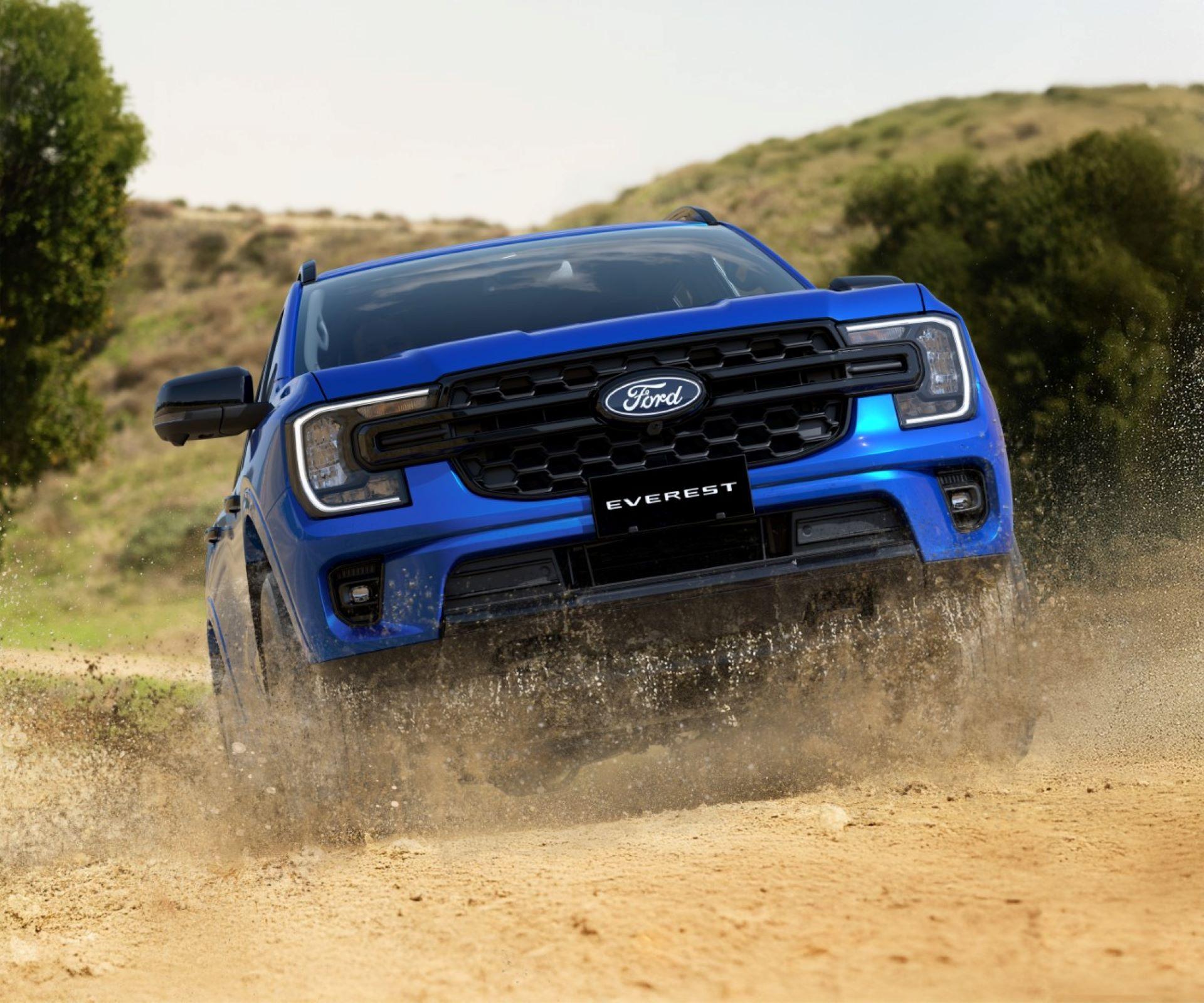
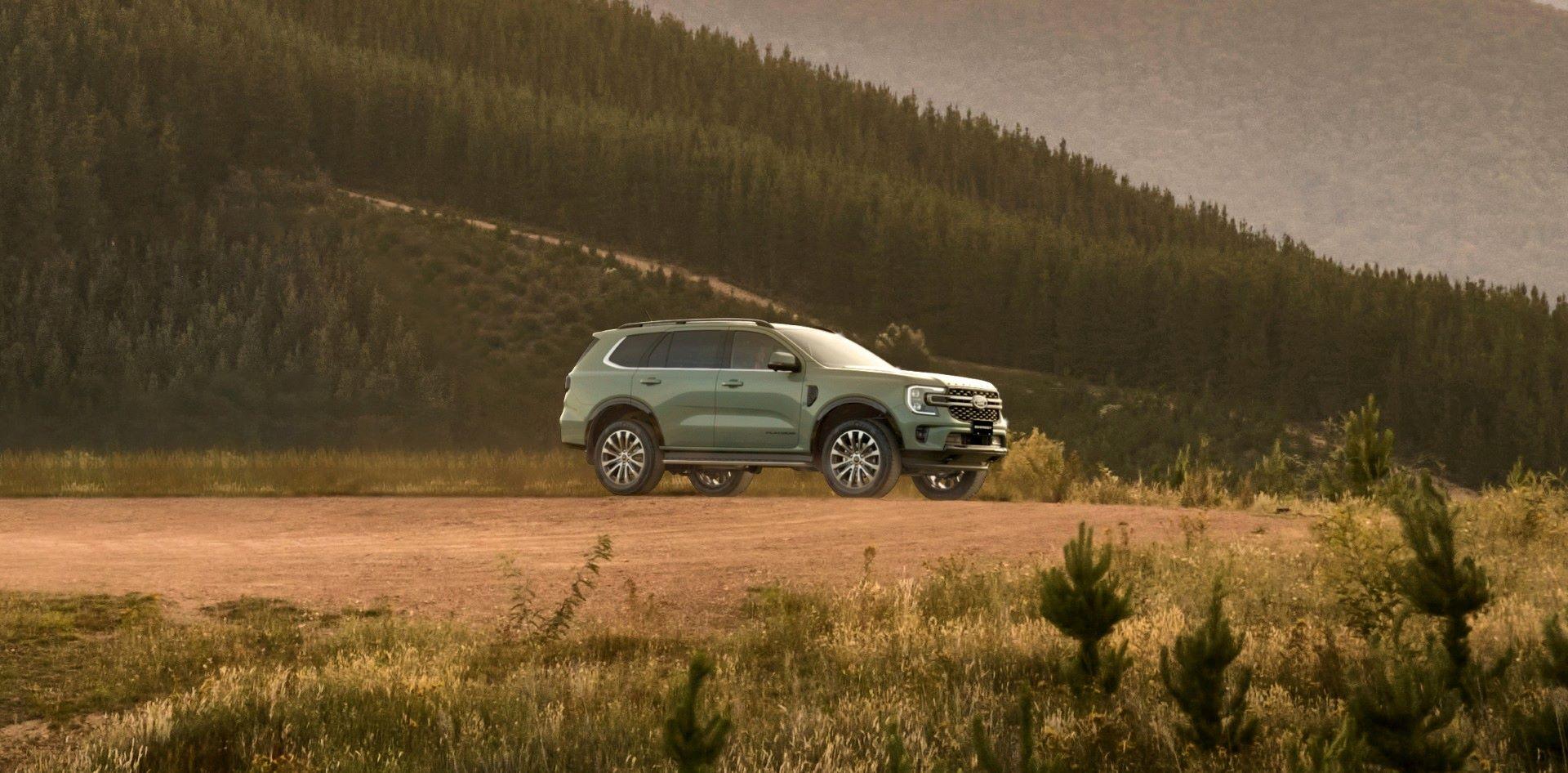
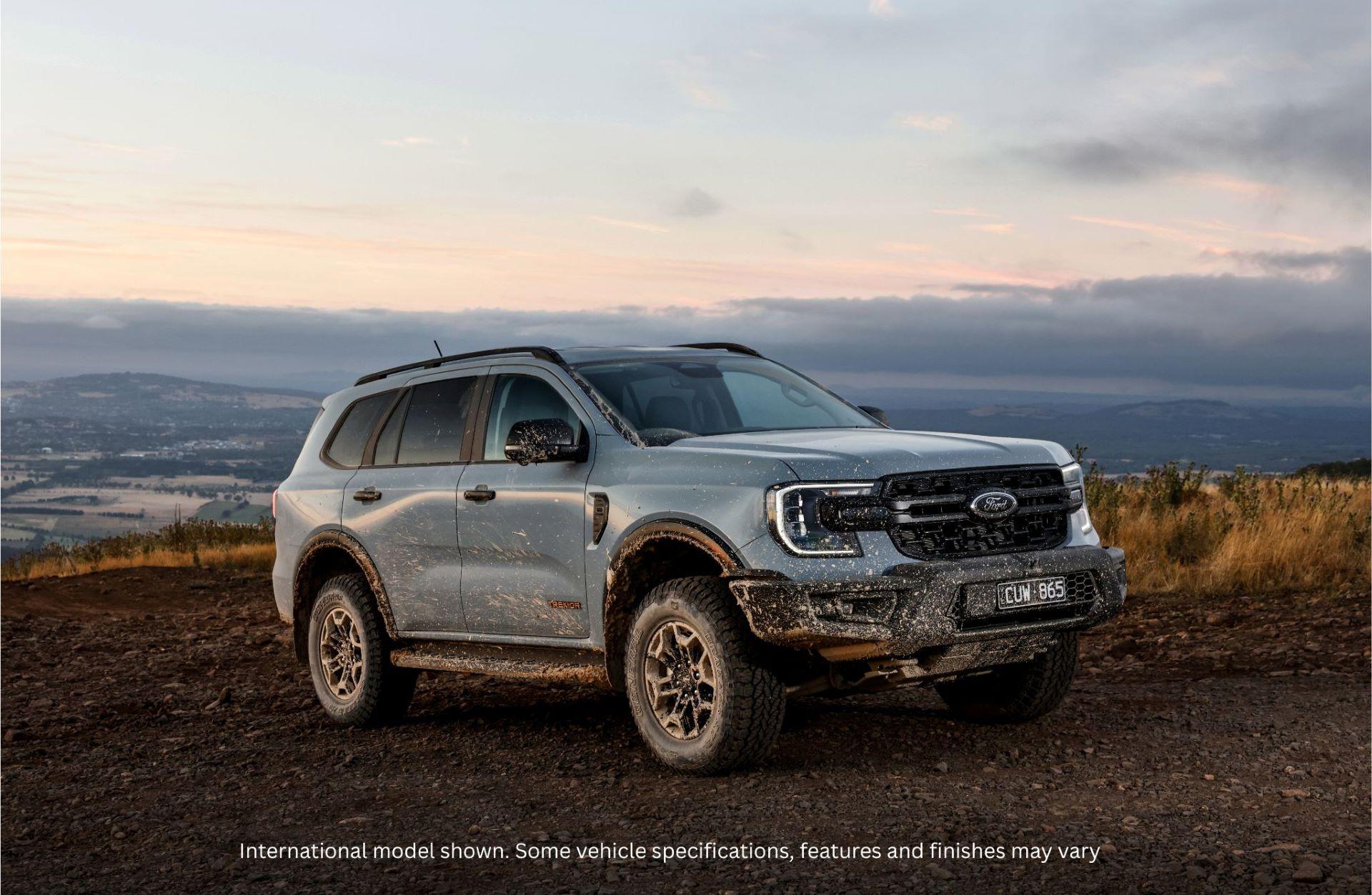
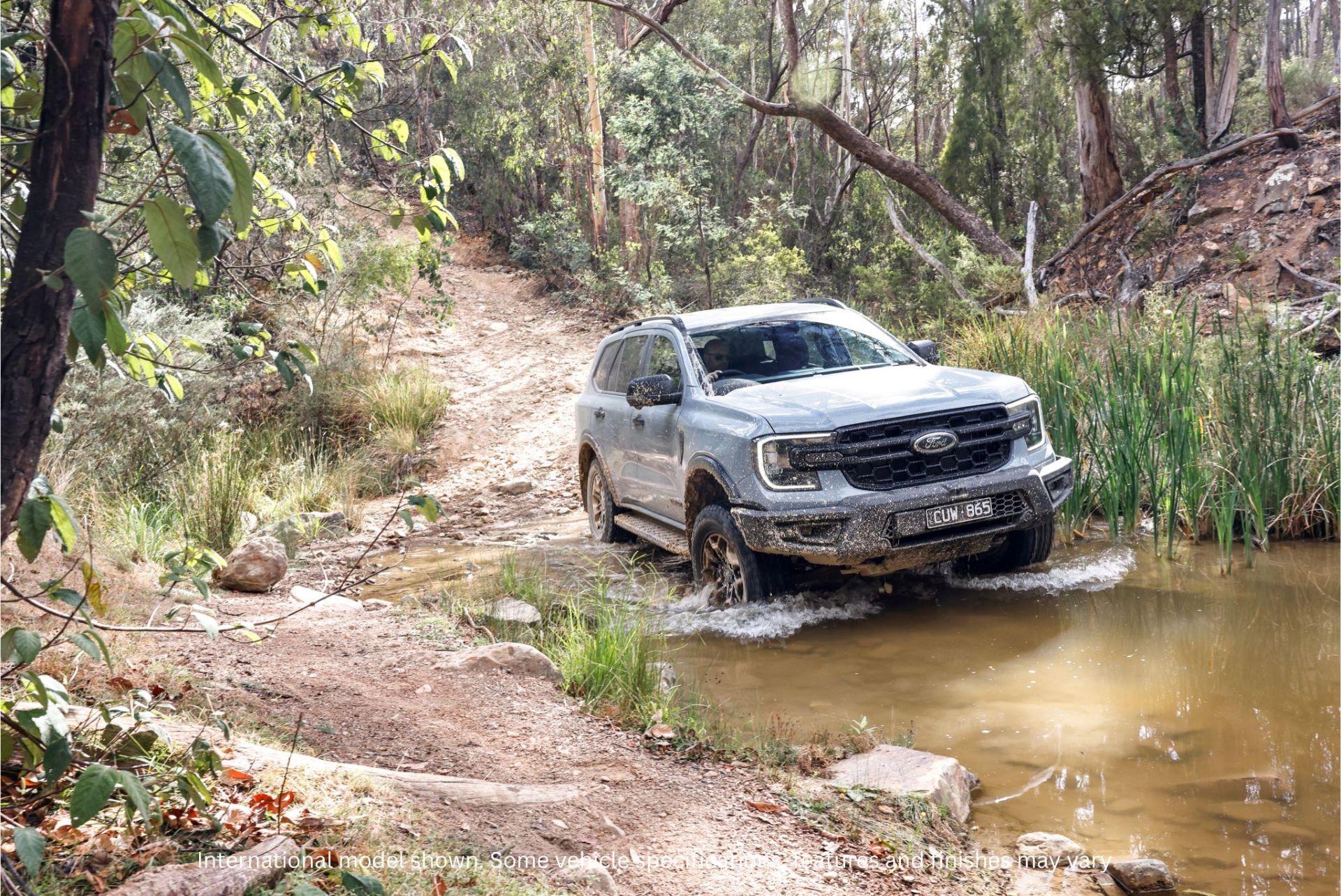
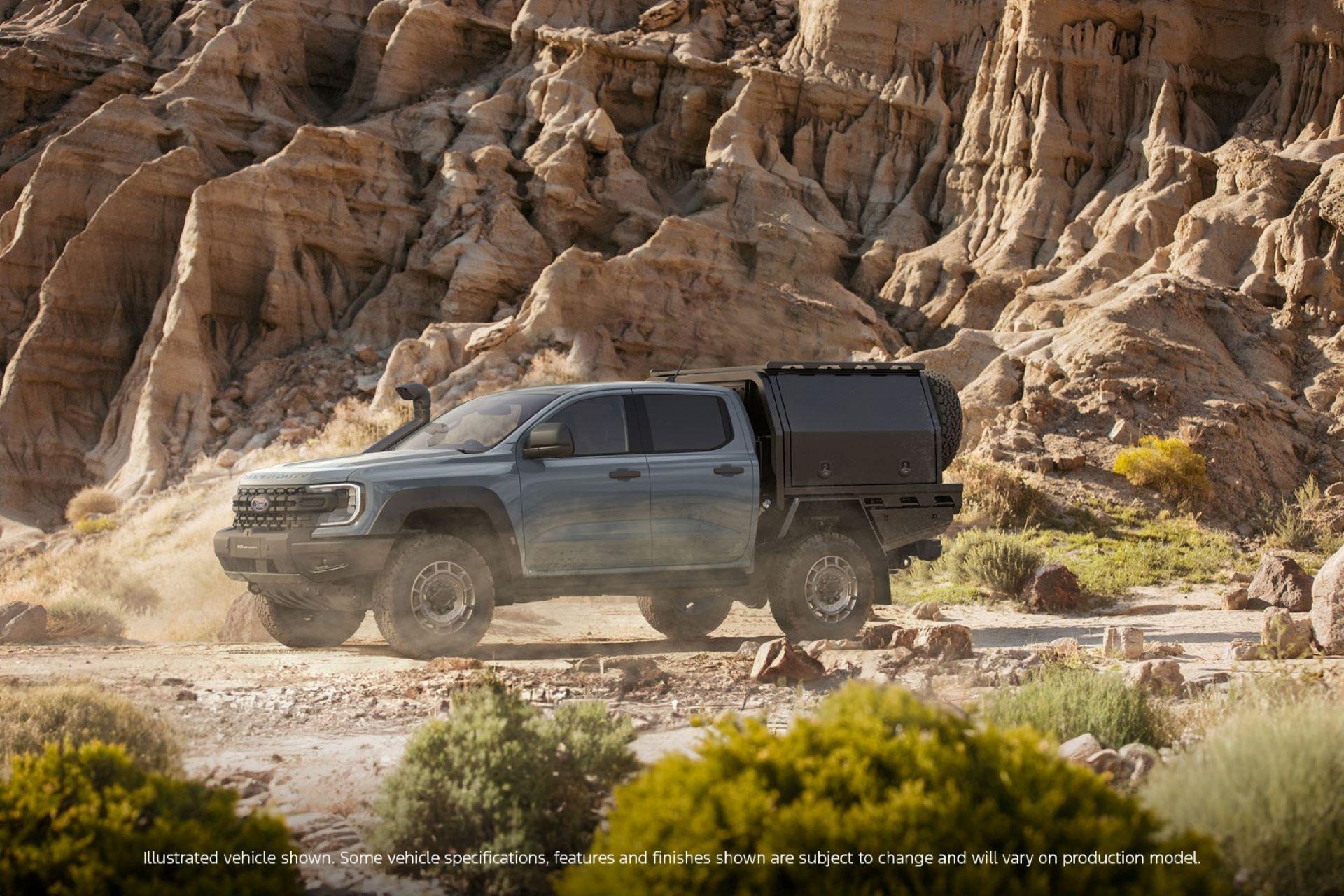
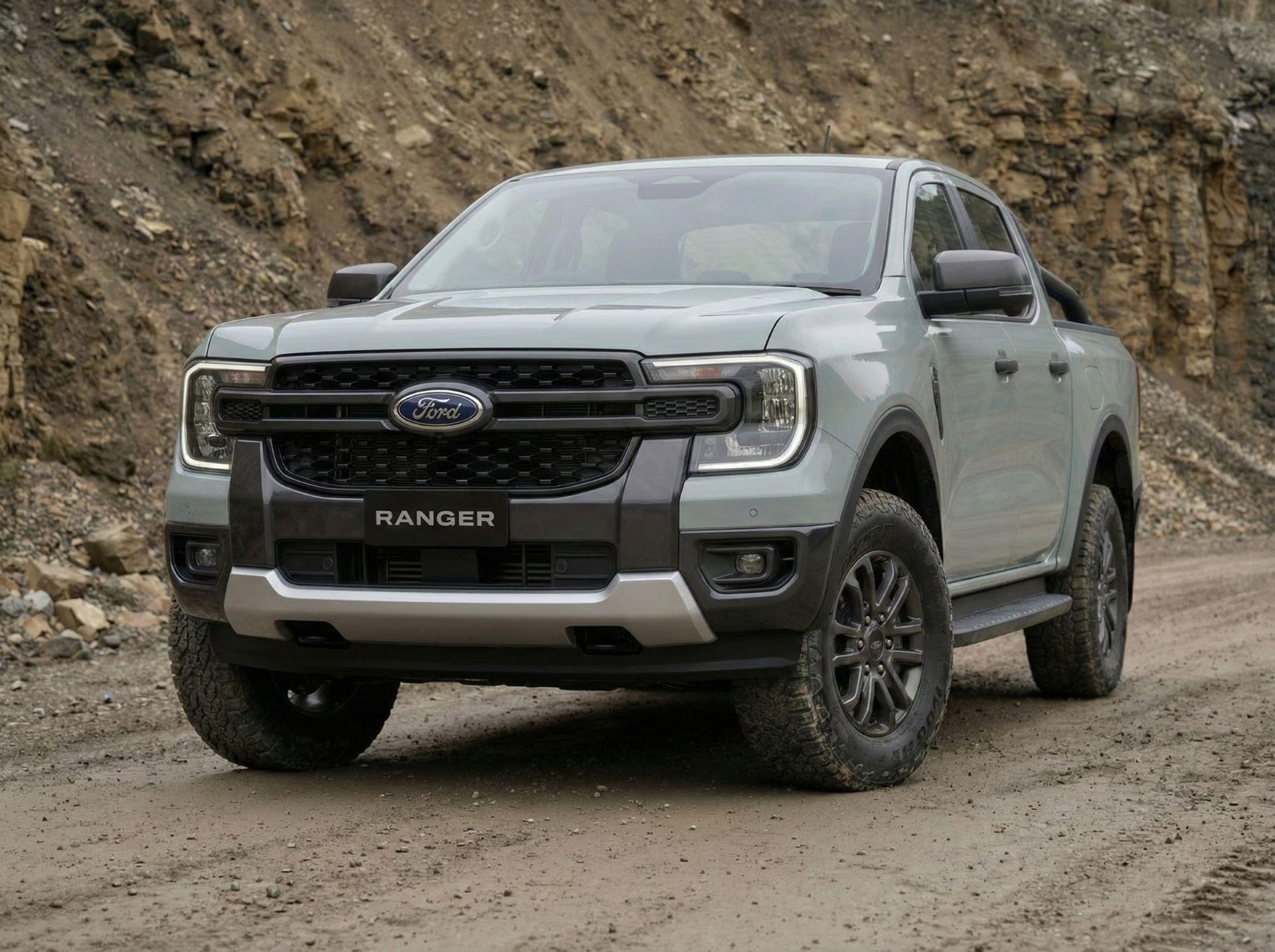
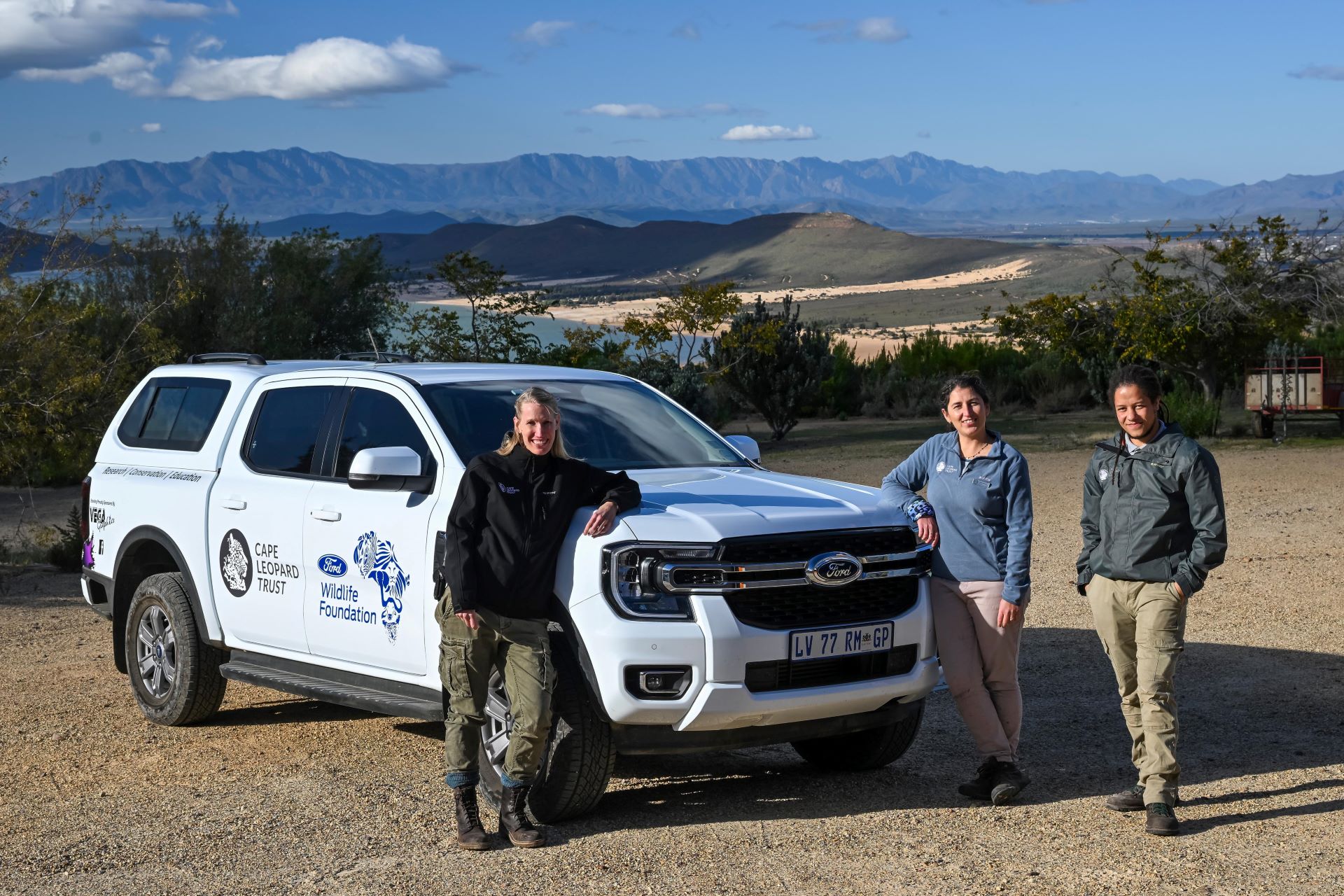
Reaching these remote camera trap sites requires more than dedication – it requires dependable, high-performance vehicles capable of conquering some of the Cape’s most inhospitable terrain. Enter the Ford Ranger, provided by the Ford Wildlife Foundation. Renowned for its rugged reliability, off-road prowess, and generous load capacity, the Ranger is an indispensable ally in CLT’s mission.
“Researching leopards in the Cape is especially challenging due to the leopard’s elusive nature and the demanding landscapes we work in,” says Dr Katy Williams, CLT’s Research and Conservation Director. “The Ford Ranger is an essential part of every camera trap survey, making our work possible.”
Anita Wilkinson, senior researcher at CLT, adds: “The support from Ford and the Ford Wildlife Foundation has enabled us to access areas that would otherwise be unreachable. These vehicles power our science, our outreach, and our conservation impact.”
The Leopards of the Cape: A Unique Population
Unlike their larger savannah counterparts, leopards in the Cape’s fynbos biome are smaller, lighter, and far more dispersed. Males average around 35 kg, females 20 kg, and densities are often below two leopards per 100 km². Their territories are vast, and their interactions with human development more frequent – making tailored conservation strategies essential.
Though sometimes referred to as “Cape leopards,” this can be misleading. Taxonomically, all African leopards belong to the same subspecies: Panthera pardus pardus. However, the unique environmental pressures of the Cape have led to significant behavioural and ecological adaptations. As such, conservationists prefer the term “leopards of the Cape” to honour their distinctiveness without implying genetic divergence.
CLT’s data contributes not only to their own conservation strategies but to broader national initiatives. Findings feed into CapeNature’s State of Biodiversity database, as well as the Mammal Virtual Museum curated by the Biodiversity & Development Institute, supporting evidence-based policy and long-term ecological stewardship.
Driving a Shared Vision
“At Ford, we believe in enabling real-world conservation efforts through practical support,” says Lynda du Plessis, manager of the Ford Wildlife Foundation. “The Cape Leopard Trust’s work is both scientifically rigorous and deeply community-oriented. Our Rangers are built to go the distance – and so are the people using them to protect South Africa’s iconic wildlife.”
Indeed, the collaboration between FWF and CLT is a powerful example of how corporate support, scientific integrity, and grassroots engagement can come together to drive meaningful conservation.
About the Ford Wildlife Foundation
The Ford Wildlife Foundation was launched in 2014 to formalise and expand Ford’s long-standing commitment to conservation in southern Africa. With a current portfolio of 28 projects across South Africa and Mozambique – spanning conservation, research, and education – the FWF plays a vital role in sustaining biodiversity and supporting the people who protect it.
From the steep slopes of the Boland to the wild heart of the Cederberg, the Cape Leopard Trust continues to lead with purpose. And with the Ford Ranger at their side, every journey into the wilderness is one step closer to securing a future where leopards – and people – can thrive.