



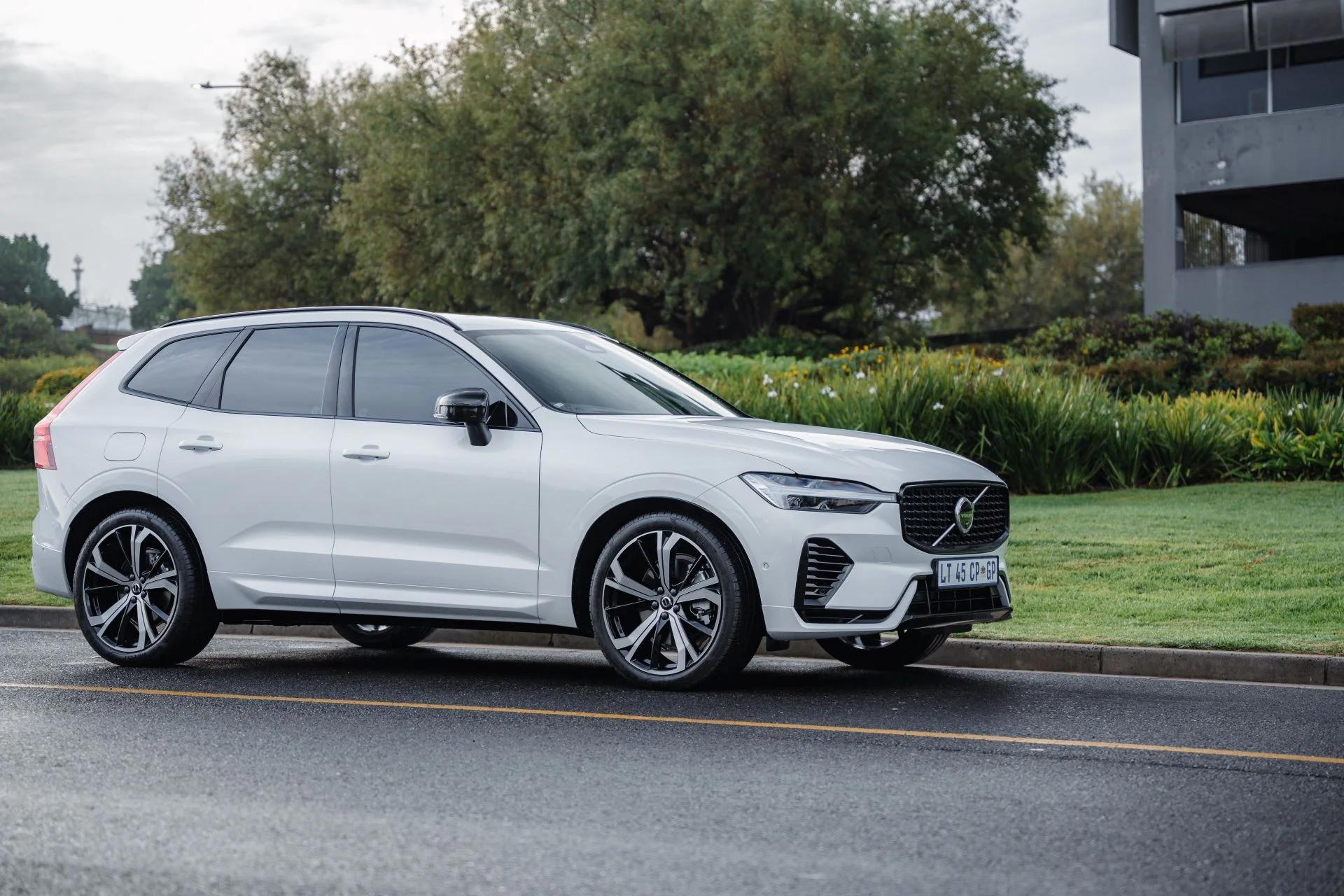
In a world increasingly shaped by environmental imperatives and climate urgency, Volvo Car South Africa is doubling down on its mission to drive meaningful change. On this year’s World Environment Day, the Swedish marque reaffirms its ambition to become a climate-neutral company by 2040—an aspiration grounded in electrification, circular design, and a deep commitment to ethical, responsible innovation.
A Fast-Charging Future
Volvo’s electric momentum is more than symbolic—it’s measurable. In Q1 2025 alone, Volvo Car South Africa sold 114 fully electric vehicles, maintaining its position as one of the country’s leading EV brands. From the compact EX30 to the flagship EX90, the company’s battery-electric range continues to expand, reflecting growing demand for clean mobility.
With the upcoming arrival of the EX30 Cross Country and the luxury-focused ES90 sedan, Volvo’s electric portfolio is poised to reach even more South African drivers, offering choices that meet lifestyle needs without compromise on sustainability or performance.
Electrification for Everyone
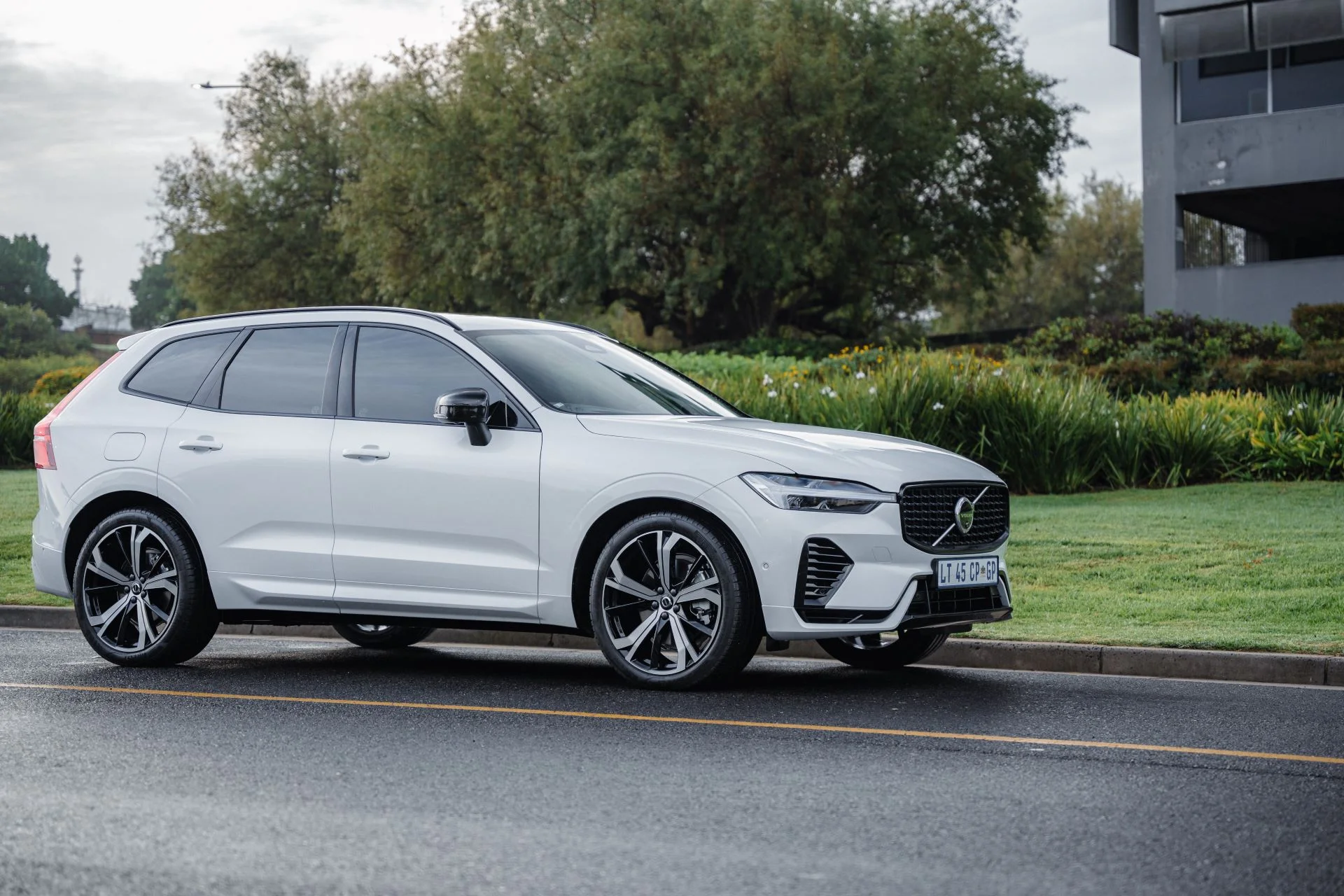
While battery-electric vehicles (BEVs) represent the future, Volvo recognises that today’s mobility landscape is diverse. That’s why it continues to offer a thoughtfully curated mix of mild-hybrid (MHEV) and plug-in hybrid (PHEV) options. These models deliver reduced emissions without sacrificing power or versatility—key considerations for customers navigating both urban traffic and long-distance travel.
The XC60 Recharge PHEV exemplifies this dual approach, combining an 81 km electric range with an impressively low average fuel consumption of 1.6 L/100 km. And yet, with 340 kW of power and 709 N.m of torque, it still sprints to 100 km/h in just 4.8 seconds—proof that sustainability and spirited driving can coexist.
Globally, demand for such solutions is surging. In the first quarter of 2025, Volvo’s PHEV sales climbed 11% year-on-year to 56,722 units, up from 51,257 in Q1 2024.
Beyond the Tailpipe
Volvo’s climate agenda reaches far beyond electrification. The brand is targeting a 65–75% reduction in average CO₂ emissions per vehicle by 2030 (compared to 2018 levels), with a firm commitment to net-zero greenhouse gas emissions by 2040. Unlike many, Volvo places minimal reliance on carbon offsets, opting instead for tangible reductions throughout the entire value chain—from design and materials to production and logistics.
Crucially, Volvo encourages its global supply partners to adopt similar practices, aligning with the Science Based Targets initiative (SBTi) Net-Zero Standard. By 2030, the company aims for 90–100% of its global sales to consist of electrified vehicles, pushing the industry standard forward.
Sustainable Luxury, Redefined
In its quest to build a cleaner future, Volvo is also reshaping perceptions of luxury. Today, sustainability is sewn into the fabric—literally—of every new Volvo cabin.
Take, for example, the brand’s tailored wool blend upholstery, which fuses 30% traceable wool with 70% recycled polyester. This blend not only offers a rich, tactile feel but also significantly reduces environmental impact. Woven flax, derived from the hardy linseed plant, is another innovation—a lightweight, renewable alternative to plastic trims that requires minimal water and energy to produce.
Even Volvo’s iconic wood veneers have been reimagined through a sustainability lens. Every panel is responsibly sourced to Forest Stewardship Council (FSC) standards, ensuring that beauty doesn’t come at the planet’s expense.
A Pledge to Progress
“World Environment Day is a reminder that every industry has a role to play in building a more sustainable future,” says Felipe Yagi, Head of Marketing and Communications at Volvo Car South Africa. “At Volvo, this goes beyond electrification. It’s about rethinking the materials we use, cutting emissions across our entire value chain, and ensuring that every step we take today supports a cleaner, more responsible tomorrow.”
From EVs to ethical interiors, Volvo is leading by example—proving that progress isn’t just about innovation, but intention. In South Africa and beyond, the road to climate neutrality is paved with bold ideas, authentic action, and an unwavering commitment to change.


