





We all love the convenience modern cars offer—air conditioning to beat the heat, windshield wipers to handle torrential downpours, heated seats for frosty mornings, and our favourite playlists at the touch of a button. But what happens when, one morning, nothing works? The culprit: a dead battery. Suddenly, your day is off to a standstill.
TEPA (Tyre, Equipment, Parts Association), an affiliate of the Retail Motor Industry Organisation (RMI), reminds us that a car battery is the unsung hero of vehicle functionality. It powers everything from the ignition system to your go-to creature comforts. And when it’s flat, you’re not going anywhere.
The Heartbeat Under the Bonnet
Dylan Petzer, TEPA National and Regional Vice Chair Central, explains that the battery silently works its magic every time you turn the key or press the start button. It sends a high-voltage signal to the spark plugs and powers the ignition system, allowing the engine to roar to life. But its role doesn’t stop there—it also keeps accessories like the radio, air conditioning, lights, digital dashboards, GPS, and even windshield wipers running smoothly.
Beyond convenience, the battery stabilises voltage levels, preventing sudden power surges when high-power accessories are switched on or off. “You can’t go anywhere with a flat battery, which is why giving it the TLC it deserves is crucial to keeping you safe on the road,” says Petzer.
How Long Should a Battery Last?
Typically, a car battery lasts between three to five years, but good driving habits and proper maintenance can extend its lifespan. Battery longevity depends on factors like lead content, battery technology (lead-acid, AGM, or lithium-ion), and environmental conditions.
“In colder regions, batteries often last longer due to reduced heat exposure, while extreme heat in warmer climates can shorten their lifespan,” says Petzer. “Frequent short trips, which prevent the battery from fully recharging, and leaving accessories on when the engine is off can also cause premature failure.”
To get the most out of your battery, it’s essential to fit the correct type and capacity for your vehicle. Using an underpowered battery can lead to premature failure or even a malfunction of the ignition system.
Battery Care 101: Best Practices for a Longer Life
A little maintenance goes a long way in ensuring your battery stays in top shape. Here are some expert tips from TEPA:
- Keep it charged – If your vehicle isn’t driven regularly, use a trickle charger or battery maintainer to prevent discharge and sulfation, which can shorten battery life.
- Avoid deep discharges – Lead-acid batteries are designed to stay near full capacity. Draining them too often can reduce lifespan.
- Inspect the terminals – Check for corrosion and clean terminals with a mixture of baking soda and water. Ensure all connections are tight.
- Park smart – Heat is a battery’s enemy. Parking in a shaded area can help slow battery degradation.
- Drive longer distances – Short trips don’t allow the alternator enough time to fully recharge the battery. Aim for longer drives whenever possible.
Stranded with a Dead Battery? Here’s What to Do
If the worst happens and your car won’t start, don’t panic. TEPA, in consultation with battery specialist First Battery Centre, recommends these three simple steps:
- Pull over safely and switch on your hazard lights.
- Check for visible issues like corroded or loose battery terminals. If the battery is leaking or swollen, do not attempt to handle it.
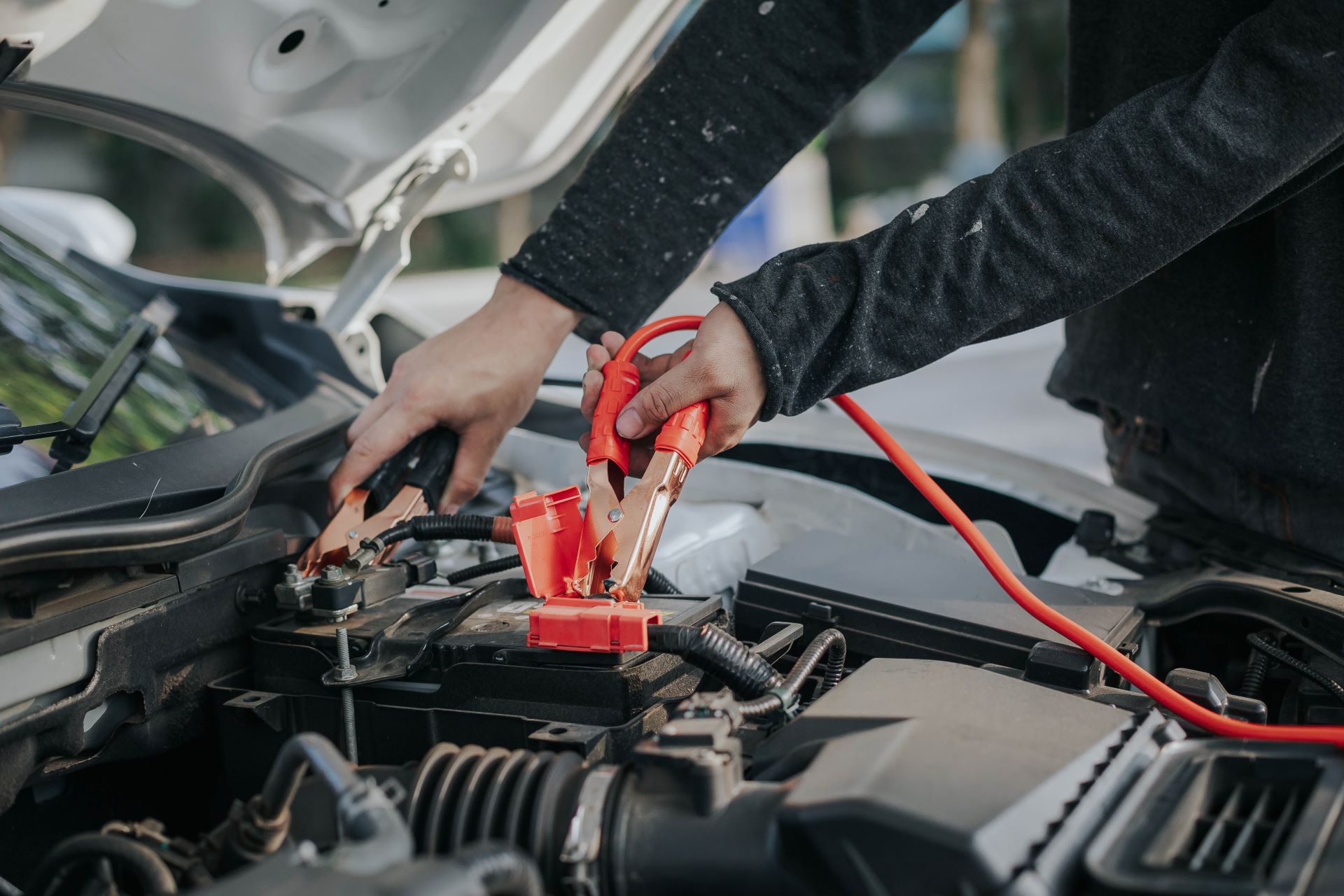
- Jumpstart the vehicle if there are no visible problems. Then, head to an accredited TEPA battery specialist to have it tested and replaced if necessary.
Jumpstarting a car isn’t always straightforward. “It can potentially damage your battery or vehicle if done incorrectly or with faulty cables,” warns Petzer.
Common mistakes include improper cable connections, which can cause electrical surges and damage the vehicle’s electronic systems. Sparking from incorrect connections can also lead to battery explosions, particularly if flammable gases are present. Additionally, modern cars with sensitive electronics—such as infotainment systems and onboard computers—are vulnerable to power surges.
To avoid costly damage, always follow the manufacturer’s prescribed jump-starting procedure.
Final Thoughts
Your car battery might be out of sight, but it shouldn’t be out of mind. Regular maintenance, proper charging habits, and annual battery testing at an accredited TEPA specialist can help you avoid inconvenient breakdowns and unexpected costs. Give your battery the care it needs, and it will keep your car running smoothly for years to come.
Comments
Newest firstLoading comments…