




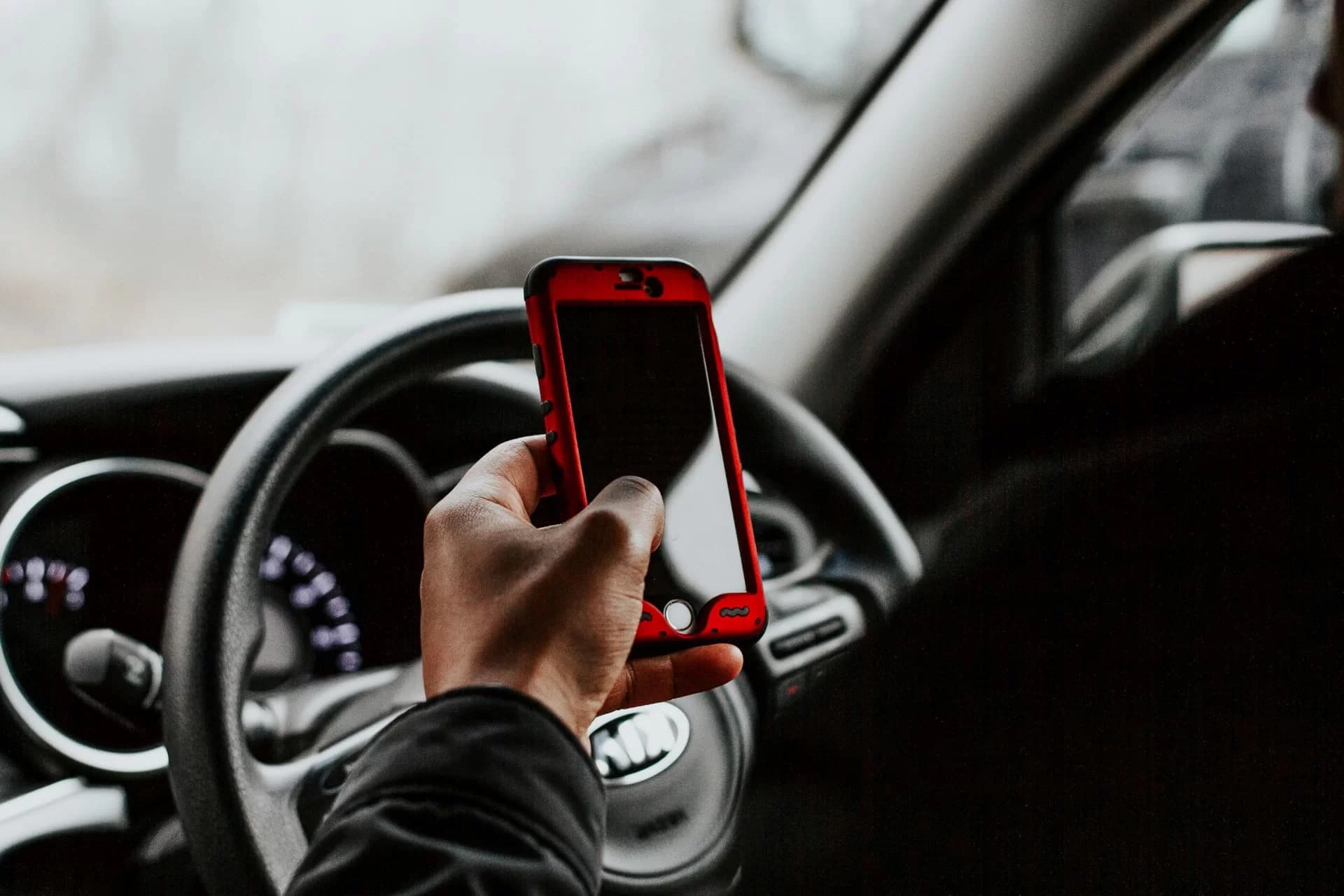
April has been designated as the global month dedicated to raising awareness about the dangers of driving while distracted (DWD), a critical issue that demands our full attention. Despite the alarming statistics that underscore the frequency and severity of distracted driving, there remains a significant gap in the collective efforts to mitigate this hazardous behavior. Alarmingly, many drivers fail to recognize that DWD carries the same level of seriousness and potential consequences as driving under the influence of alcohol or drugs.
Eugene Herbert, the CEO of MasterDrive, emphasizes the need for a deeper understanding and personal connection to the data surrounding DWD. He advocates for viewing the statistics not just as abstract numbers, but as real lives lost—each representing someone’s loved one whose absence creates an irreplaceable void in the lives of their families, friends, and colleagues. Herbert further highlights the life-altering injuries sustained by survivors of such incidents, which can drastically affect their ability to provide for themselves and their families, often leading to long-term dependency on others.
To illustrate the urgency of addressing DWD, consider these stark figures:
- Approximately 25% of vehicle crashes in South Africa are linked to cellphone use while driving, with some insurance companies reporting figures as high as 60%.
- A quarter of South African drivers admit to engaging in DWD, leading to behaviors such as adjusting the radio (52%), eating or drinking (32%), and using their phones (22%).
- Distracted driving significantly increases the risk of accidents, with statistics showing that merely reaching for an object makes a crash eight times more likely, and the presence of an additional passenger can double the risk, depending on their age.
Despite the ongoing efforts to raise awareness and the designation of April as a month to highlight this issue, the challenge persists. MasterDrive recognizes the limitations of awareness alone and has explored technological solutions to prevent distracted driving. The organization has partnered with tech companies to develop smartphone applications that limit the temptation to use the phone while driving, while still allowing access to urgent communications in a safe manner.
As the number of lives lost to DWD continues to rise annually, the difficulty in policing, penalizing, and accurately quantifying the impact of distracted driving becomes increasingly evident. In light of this, Herbert strongly urges all drivers to take the threat of DWD seriously and to adopt safer driving practices to protect themselves and others on the road.
Comments
Newest firstLoading comments…