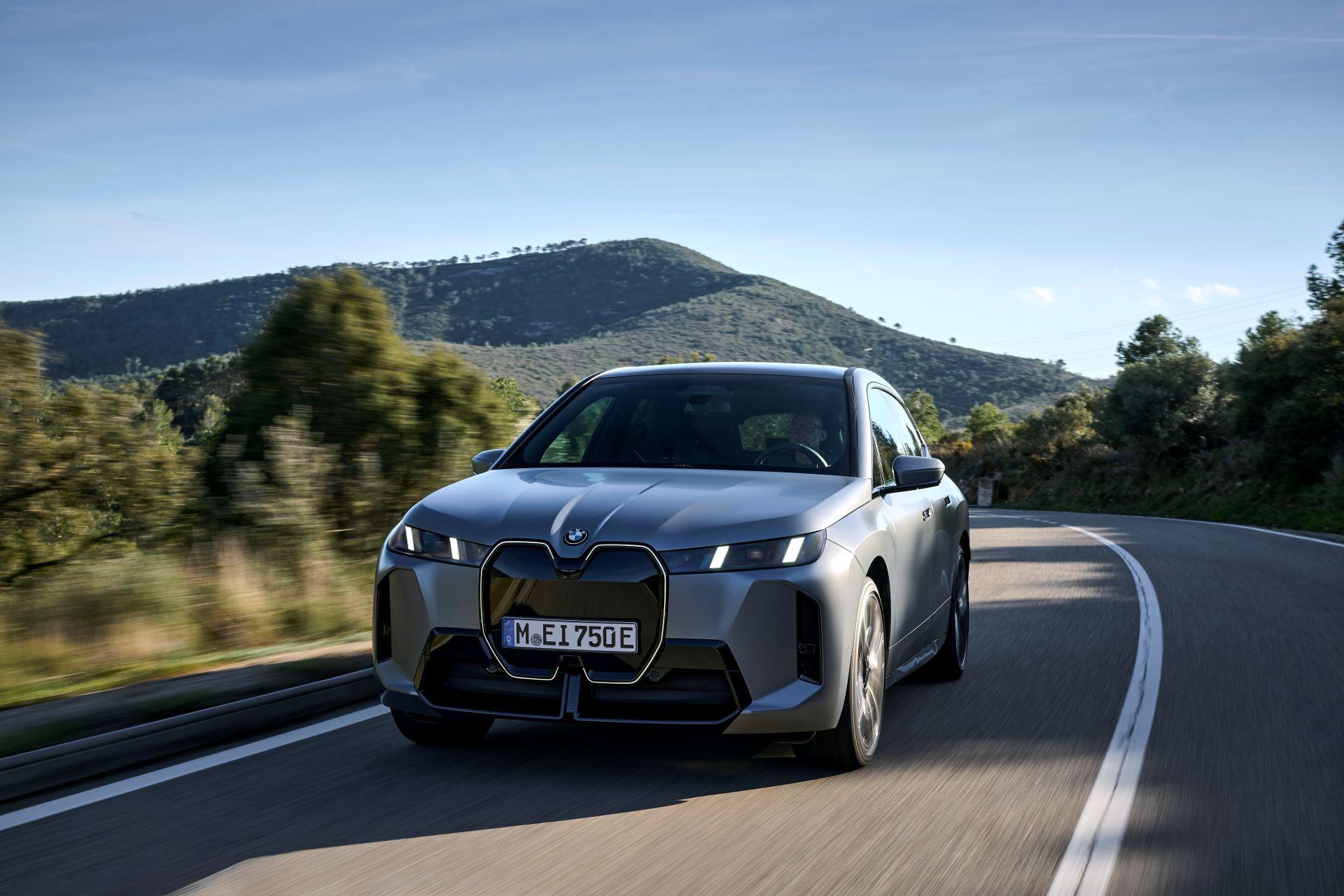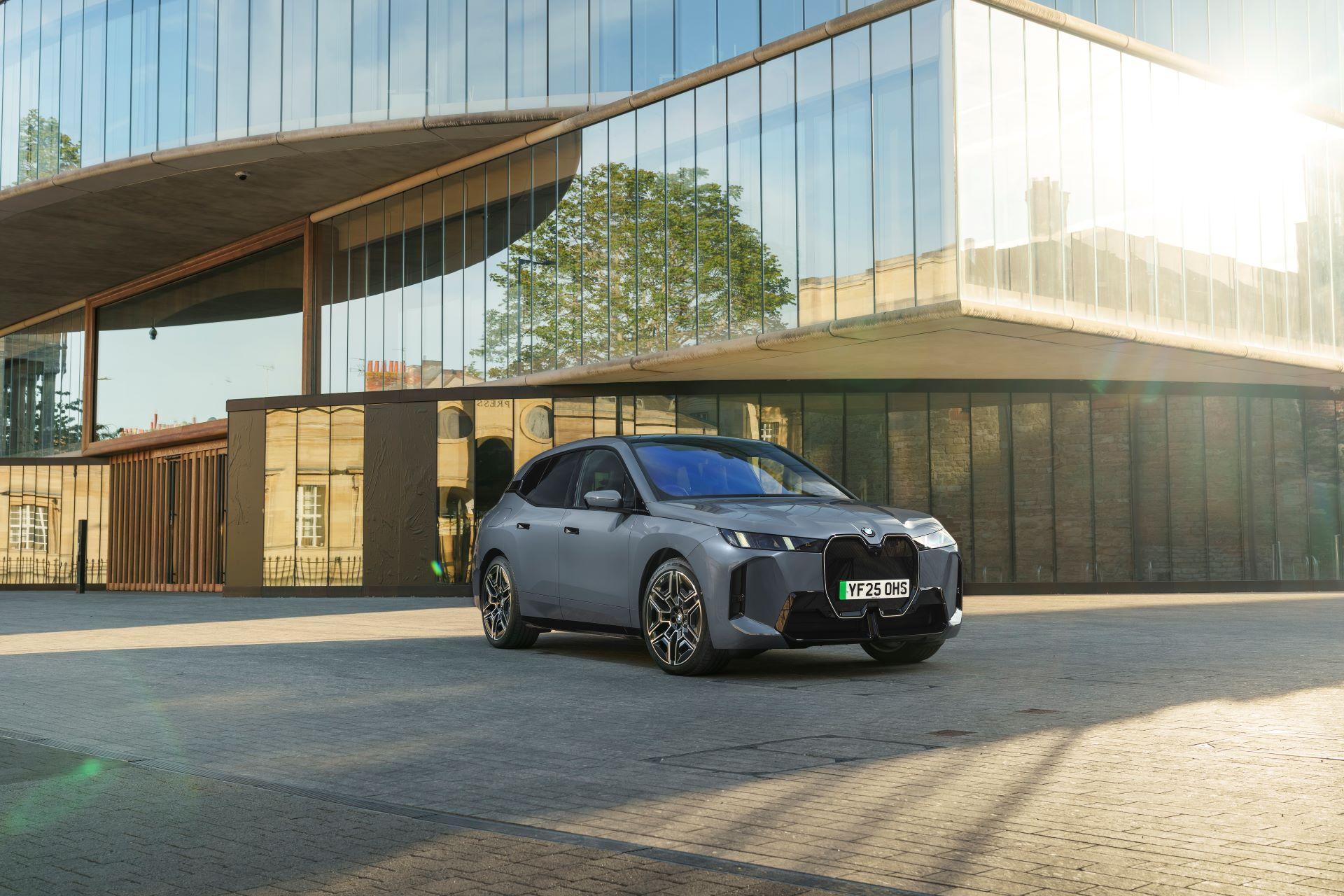



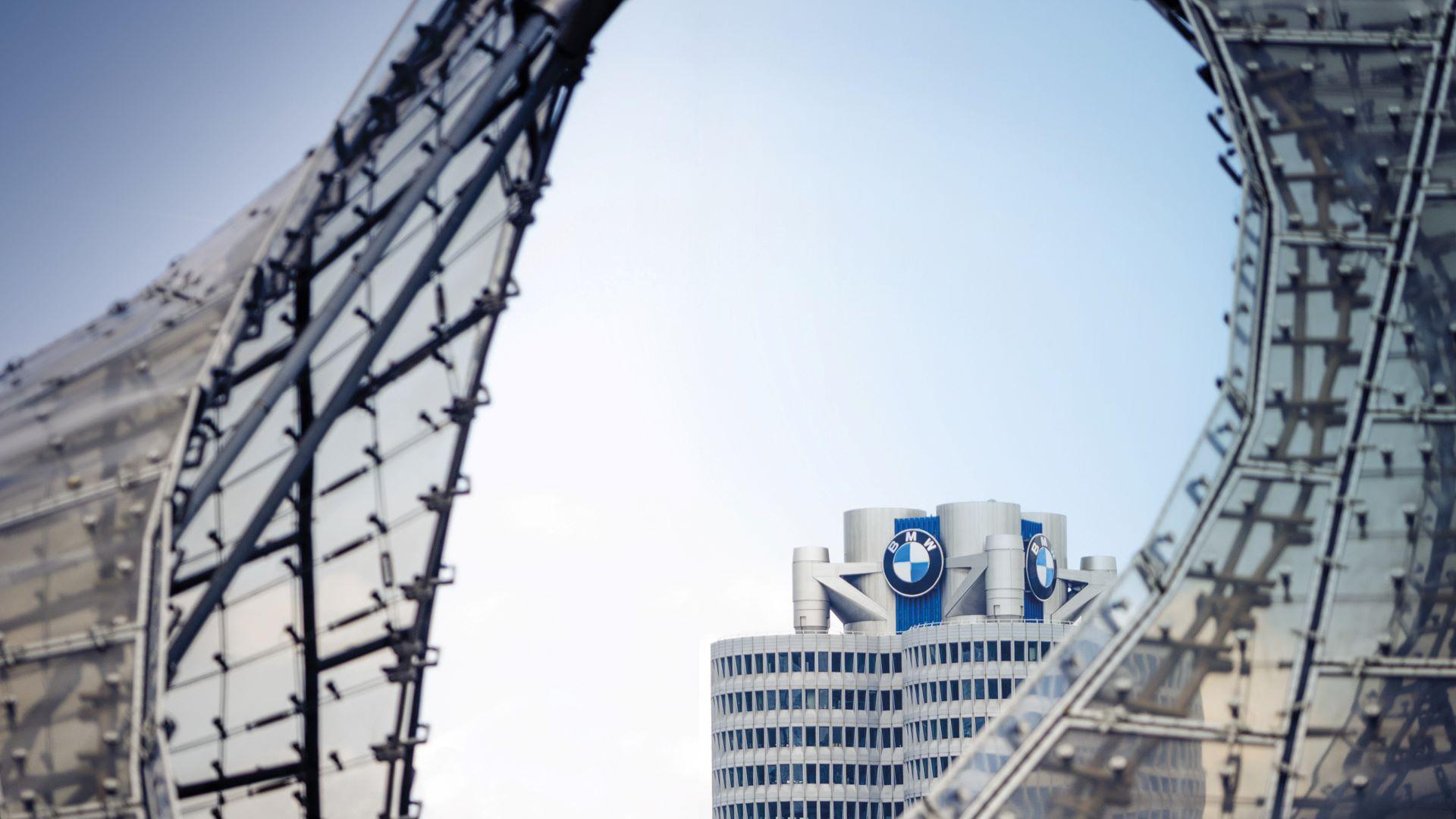
Munich, Germany – As the BMW Group enters the 2025 financial year, the automotive giant reaffirms its commitment to sustainable growth, technological advancements, and financial resilience. With a slight increase in sales volume planned, a strong free cash flow projection, and a continued focus on electrification, BMW remains steadfast in its strategic vision.
Balancing Growth and Financial Stability
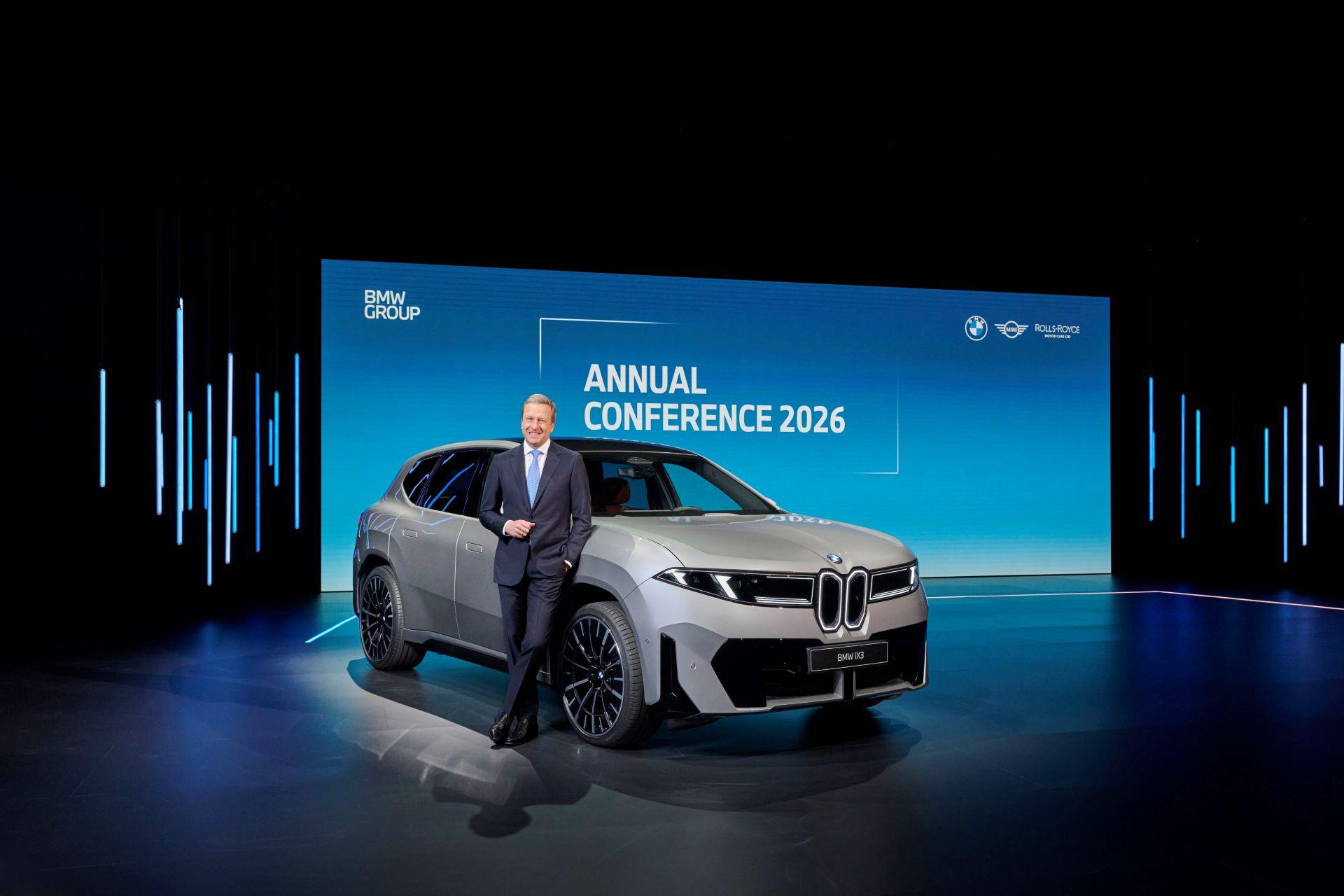
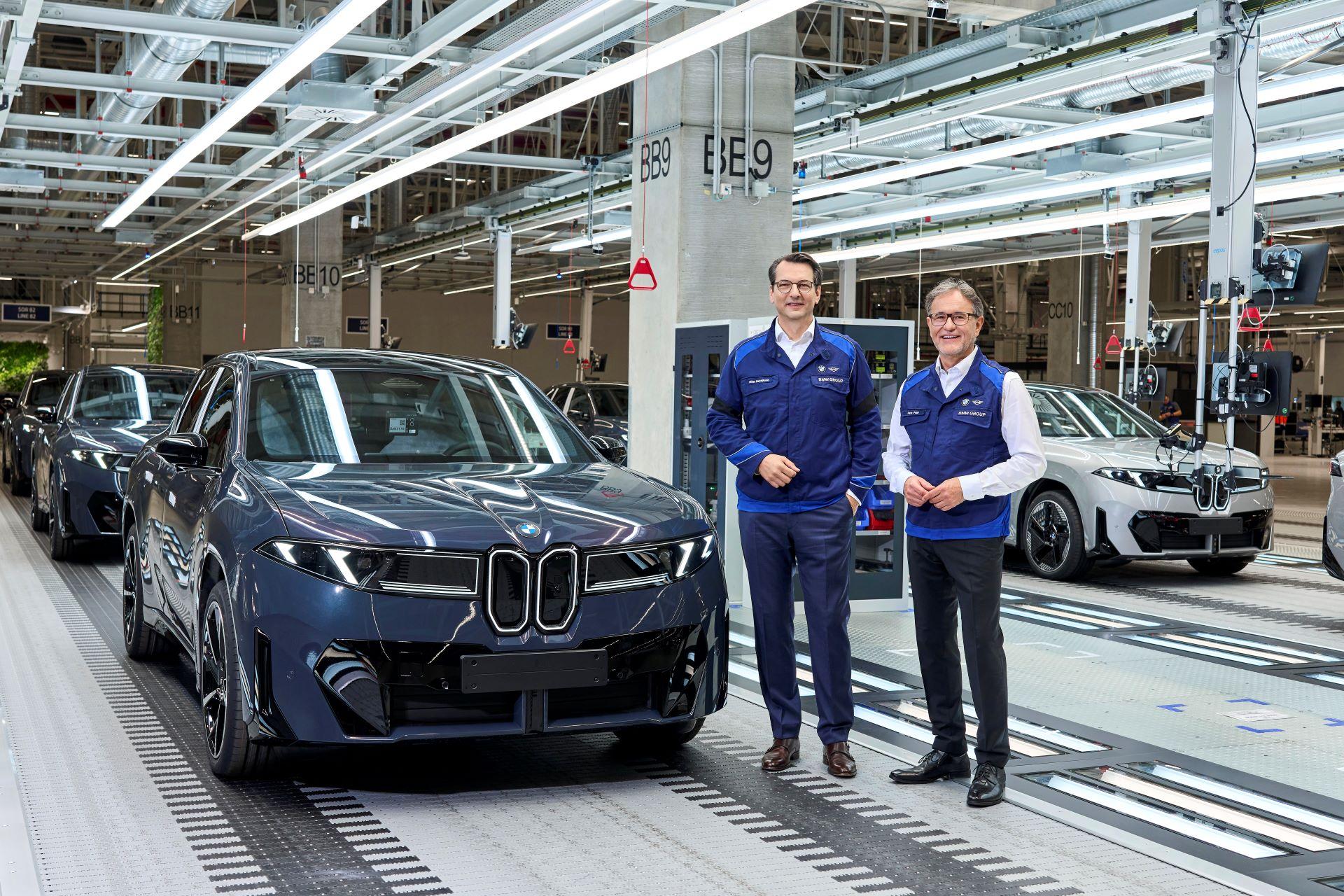
BMW Chairman Oliver Zipse emphasized the company’s dual focus on immediate performance and long-term transformation. “What has always set the BMW Group apart is our ability to maintain our course, even in challenging conditions. With the NEUE KLASSE, we are implementing the biggest future-focused project in the history of our company, while at the same time achieving a robust free cash flow.”
The company expects to maintain its earnings before tax (EBT) at 2024 levels, despite increased tariffs and market fluctuations. This stability is underpinned by a strategic reduction in capital expenditures following peak investment in 2024, ensuring profitability without compromising innovation.
NEUE KLASSE: A Pioneering Shift in Mobility
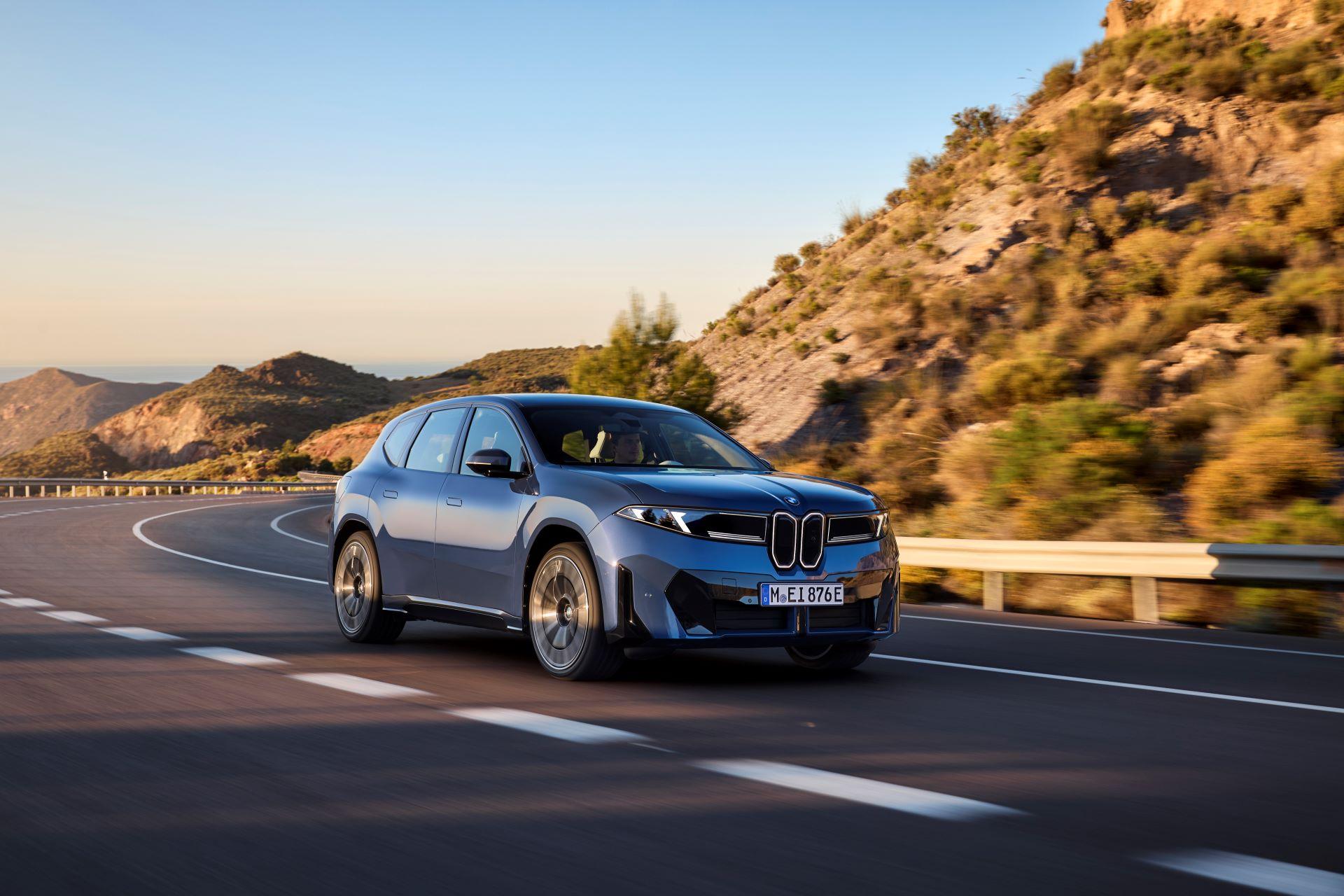
A key milestone for BMW in 2025 is the launch of the first production model of the NEUE KLASSE – the BMW iX3. This marks the beginning of a comprehensive product overhaul, with over 40 new and updated models expected by 2027. Each vehicle will incorporate next-generation technology clusters, setting new benchmarks in efficiency, performance, and user experience.
“We are taking a huge leap forward with our new technology clusters – achieving maximum scalability, increasing the level of innovation, and enhancing customer benefits,” Zipse stated. “We do not differentiate between segments or drivetrain technologies – we provide every customer with the latest technology.”
Electrification and Technology Openness as Competitive Advantages
The BMW Group’s technology-open approach remains a strategic differentiator, offering customers a broad choice of drivetrains, including internal combustion engines (ICE), plug-in hybrids (PHEVs), battery-electric vehicles (BEVs), and, from 2028, hydrogen fuel-cell electric vehicles (FCEVs).
- BEV Growth: Battery-electric vehicles continue to drive BMW’s expansion, with 426,536 units sold in 2024, a 13.5% increase from the previous year. BEVs now account for over 17% of total sales, with MINI achieving 25% and Rolls-Royce at 33%.
- PHEV Contribution: Plug-in hybrids remain a key pillar in BMW’s electrification strategy, offering an all-electric range exceeding 100 km, making them relevant for diverse driving needs.
- ICE Evolution: Highly efficient combustion engines remain in demand, with over 15 new or updated ICE models launched in 2024. BMW’s engines have long been compatible with renewable fuels, supporting the decarbonization of the global vehicle fleet.
Milestones on the Road to Sustainability
By the end of 2025, BMW aims to achieve two major electrification milestones:
- Three million electrified vehicles on the road since the launch of the BMW i3 and i8.
- 1.5 million fully-electric vehicles delivered to customers worldwide.
Additionally, BMW’s commitment to reducing its carbon footprint continues to yield tangible results. In 2024, the company successfully lowered its EU fleet emissions below 100 grams of CO2 per km (WLTP) for the first time.
Hydrogen-Powered Future: Series Production in 2028
In collaboration with Toyota, BMW is advancing hydrogen fuel-cell technology, with the first series-production FCEV set for 2028. This move further solidifies BMW’s commitment to offering a diversified range of sustainable mobility solutions.
Revolutionizing Vehicle Technology with the NEUE KLASSE
BMW’s next-generation vehicles will feature an entirely restructured digital nervous system, enhancing software-defined capabilities:
- Zonal architecture: Reducing wiring by 600 meters and weight by 30%.
- Super-brains computing clusters: Consolidating key functions for infotainment, automated driving, and driving dynamics.
- Over-the-air updates: Ensuring vehicles remain up-to-date with AI-driven enhancements.
Driving Dynamics: The ‘Heart of Joy’
BMW’s proprietary ‘Heart of Joy’ system integrates drivetrain and driving dynamics control, boosting efficiency by up to 25%. Through precise control of energy recuperation, the system minimizes traditional braking interventions, setting a new benchmark for driving experience and sustainability.
Looking Ahead: A Future Defined by Innovation
As BMW embarks on 2025, the company remains unwavering in its commitment to delivering cutting-edge technology, financial stability, and sustainable mobility. With the launch of the BMW iX3 leading the charge, the NEUE KLASSE will set the stage for a transformative era in automotive engineering.
BMW’s vision for the future is clear: sustainable growth, pioneering innovation, and an unwavering commitment to excellence in mobility.