




As the UK enters the deer breeding season, motorists are being urged to stay vigilant on the roads. The next few weeks will see a notable increase in deer mobility, and the potential for collisions rises dramatically as these animals become more active. Road safety organisation GEM Motoring Assist is highlighting the risks drivers face, especially during the high-traffic periods of dawn and dusk, when deer are most likely to cross roads.
According to recent figures from the British Deer Society, a car collides with a deer every seven minutes in England, underscoring the widespread nature of the problem. Research from the RSPCA estimates that around 75,000 deer are involved in vehicle collisions each year, with 10,000 killed instantly. This danger isn’t limited to the animals alone; humans are at significant risk too. Each year, between 10 and 20 people lose their lives in deer-related crashes, with an additional 450 suffering serious injuries. The cost to motorists is substantial, with vehicle damage from these accidents estimated at £17 million annually.
A Growing Concern for Drivers
With a deer population in the UK believed to exceed two million, and their habitats expanding beyond traditional rural areas, the likelihood of encountering deer on the road is higher than ever. Deer are now being sighted in more urban environments, appearing in parks, cemeteries, and even roundabouts. This expansion means drivers in both rural and urban settings need to be particularly alert, especially during the early morning and late evening hours when deer are most active.
GEM’s head of road safety, James Luckhurst, emphasised the heightened risks drivers face in autumn: “The shorter daylight hours mean we need to make more journeys in the dark. This increases the chance of encountering deer, particularly in areas where they are common. Drivers should be prepared, and know what to do if they come across a deer on the road.”
The Safest Way to Respond
One of the most critical pieces of advice from road safety experts is not to swerve to avoid hitting a deer. While it may be instinctive to try and avoid the animal, swerving can lead to a far worse outcome, such as a collision with another vehicle or losing control and hitting a verge or tree.
“If a collision appears inevitable, the safest option is to maintain full control of your car and hit the deer,” Luckhurst advises. “While this may sound harsh, it’s the best way to avoid more severe accidents.”
Simple Tips to Reduce Risk
GEM Motoring Assist provides several practical tips for reducing the risk of deer collisions:
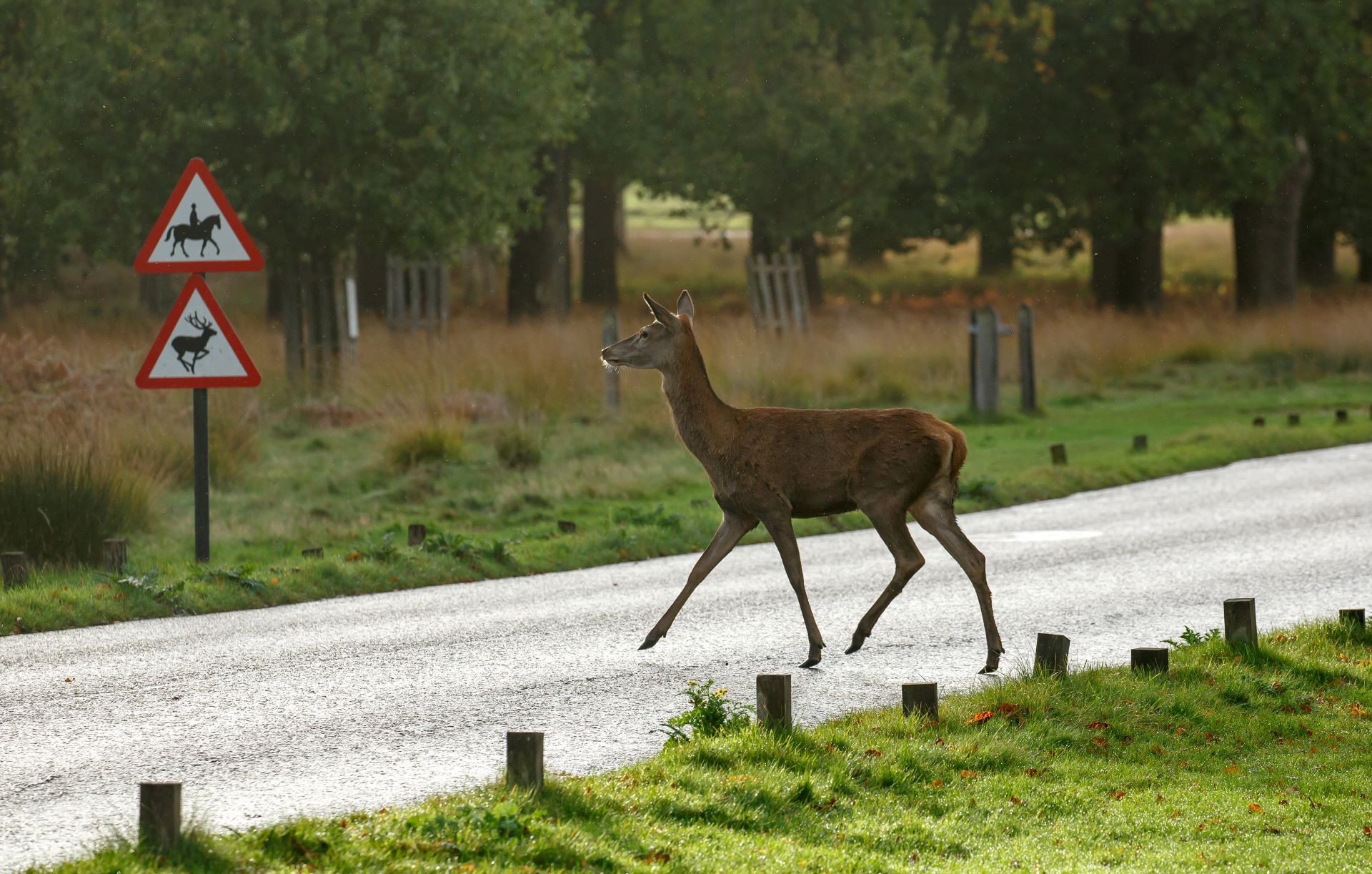
- Stay cautious around deer warning signs: These signs indicate areas where deer crossings are common. Drivers should lower their speed and be ready to stop suddenly if needed.
- Don’t assume it’s just a countryside issue: While rural areas remain high-risk zones for deer collisions, the animals are increasingly found in urban environments.
- Be alert at dawn and dusk: Deer are most active during these times, which also coincide with rush hour, making vigilance essential.
- Watch for multiple deer: If you see one deer, more may be nearby, so avoid speeding up until you are sure the road is clear.
- Report any collisions: If you hit a deer, notify the police, even if no one is injured. The deer may be fatally injured and require assistance.
As deer crossings become more frequent in the coming weeks, it is essential for motorists to stay aware of the dangers. By following these guidelines, drivers can significantly reduce their risk of collisions and help protect both themselves and the deer population.
With autumn in full swing, a little extra caution on the road can go a long way in ensuring a safer driving experience for all.


