




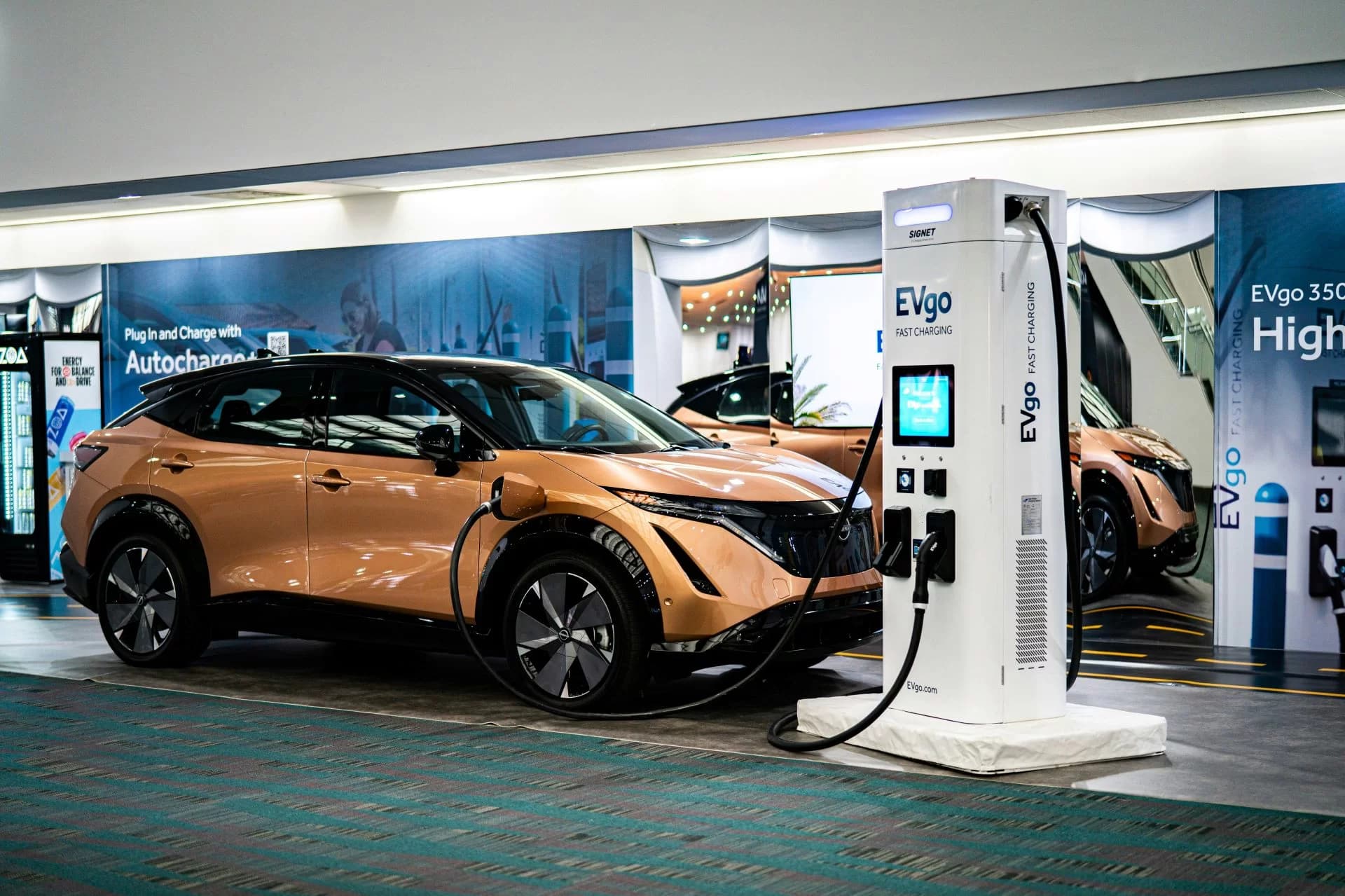
In response to global pollution and energy challenges, the South African government has dedicated May as Energy Month, emphasizing the importance of energy education. Among the solutions promoted for reducing carbon emissions are electric vehicles (EVs). However, the debate over their environmental impact remains contentious.
Research into EVs reveals a spectrum of opinions on their environmental benefits and whether drivers should consider making the switch. Eugene Herbert, CEO of MasterDrive, comments: “Concerns about whether EVs are genuinely a better alternative to internal combustion engines (ICE) are valid but often lack a holistic perspective.”
“Resistance to EVs in South Africa is strong, with many clinging to one-sided criticisms to justify their stance against them. We examined some common arguments against EVs and the research addressing these concerns to provide a balanced view.”
Higher Carbon Emissions in Production
It’s true that producing an EV generates more carbon emissions compared to an ICE vehicle. However, according to research by Yale Climate Connections, the emissions from driving an EV are significantly lower. By the time an EV has traveled approximately 32,000 kilometers, it offsets the initial production emissions. This breakeven point can vary depending on the vehicle and the source of electricity used.
Battery Disposal Challenges
Concerns about the disposal of EV batteries are partially valid. A major focus for EV manufacturers is finding sustainable ways to manage batteries at the end of their lifespan. Hyundai, for instance, has partnered with battery recyclers to address this issue. There are two primary methods: shredding the batteries to separate components like metals, plastics, and minerals, which can then be reintroduced into the supply chain, and repurposing batteries as energy storage units that can help balance grid demand. One South African manufacturer is already exploring this repurposing method.
Strain on Electricity Infrastructure
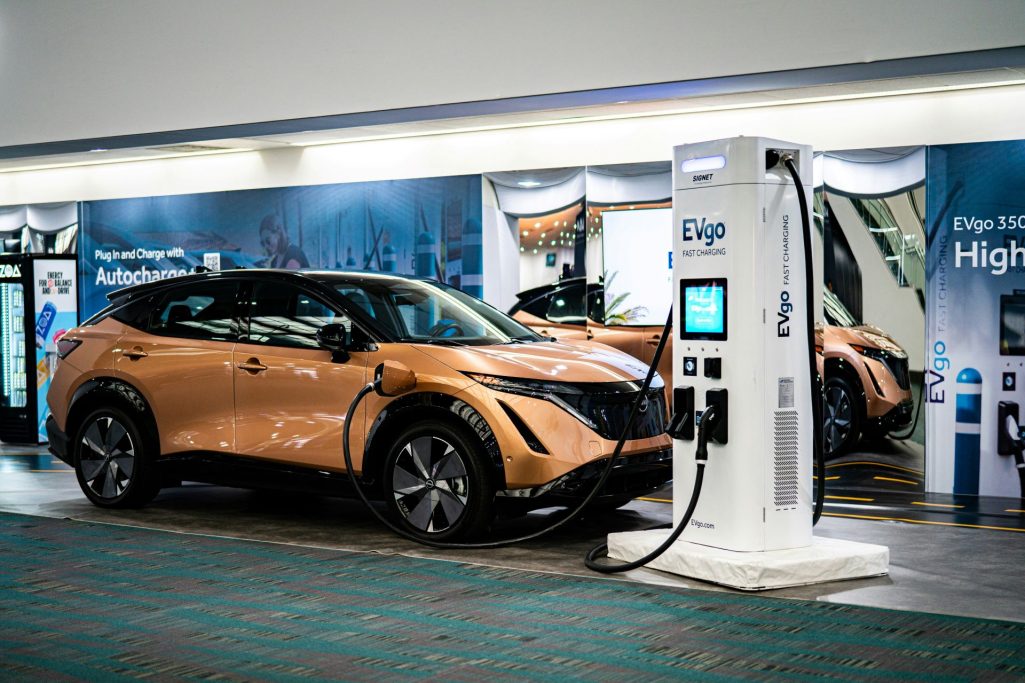
The current South African electricity grid is not equipped to handle mass EV charging. However, South Africa has taken a pioneering step by signing a billion-rand MOU to install solar-powered superchargers. This remains a significant challenge, especially with a coal-dependent grid. Fortunately, the slow adoption rate of EVs in South Africa provides more time to address this issue.
When evaluating the environmental impact of EVs, it’s crucial to adopt a comprehensive view. “EVs are inevitable, and drivers need to prepare for changes in driving habits and other considerations,” Herbert advises. “Don’t waste the time you have to prepare by dismissing them as not environmentally friendly.”
In conclusion, while EVs are not without their challenges, they offer a viable path toward reducing carbon emissions and promoting sustainable energy use. Understanding and addressing the complexities of their environmental impact is key to making informed decisions about their adoption.
Comments
Newest firstLoading comments…