



With just five days to go until the third round of the 2024 World Rally-Raid Championship (W2RC), South Africa is readying itself for a motorsport moment of monumental proportions. The South African Safari Rally, held in partnership with Toyota Gazoo Racing, is more than just a stop on the calendar — it’s a celebration of African endurance racing, a showcase of global talent, and a logistical tour de force worthy of rally-raid’s top tier.
From Sunday 18 to Saturday 24 May, the usually tranquil surrounds of Sun City will be transformed into a bustling epicentre of motorsport. As the largest W2RC field outside the famed Dakar Rally descends on the region, a unique blend of international competition and South African hospitality awaits.
A Rally-Raid Renaissance
For Archie Rutherford, CEO of the South African Safari Rally, this moment is the result of relentless planning and passion. “We’ve been working around the clock to get everything in place,” he says. “Teams like Honda Europe and Overdrive are already well into setup, and by the weekend, the full bivouac will be buzzing with activity. It’s incredible to see this level of international rally-raid infrastructure come to life right here in South Africa.”
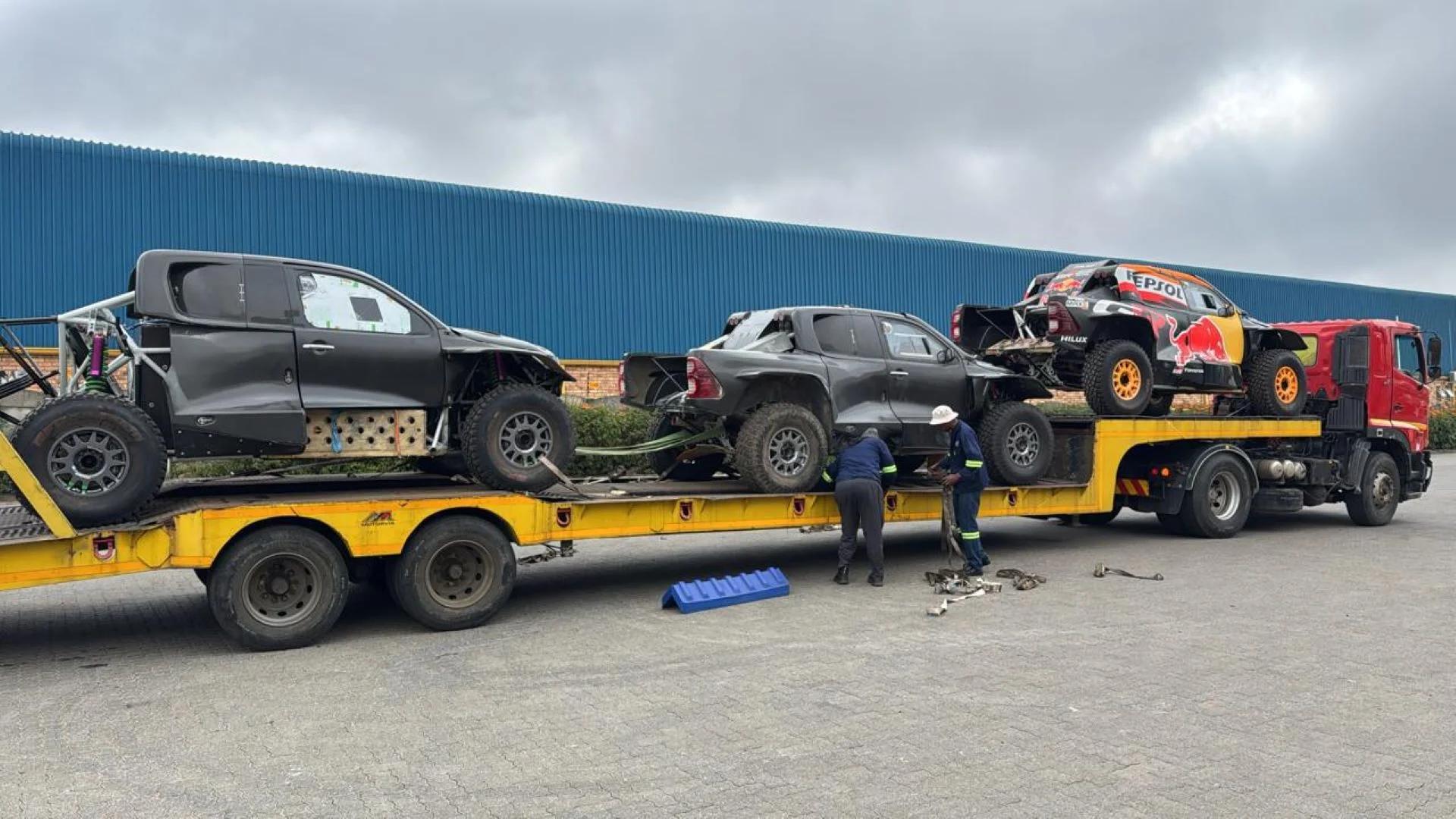
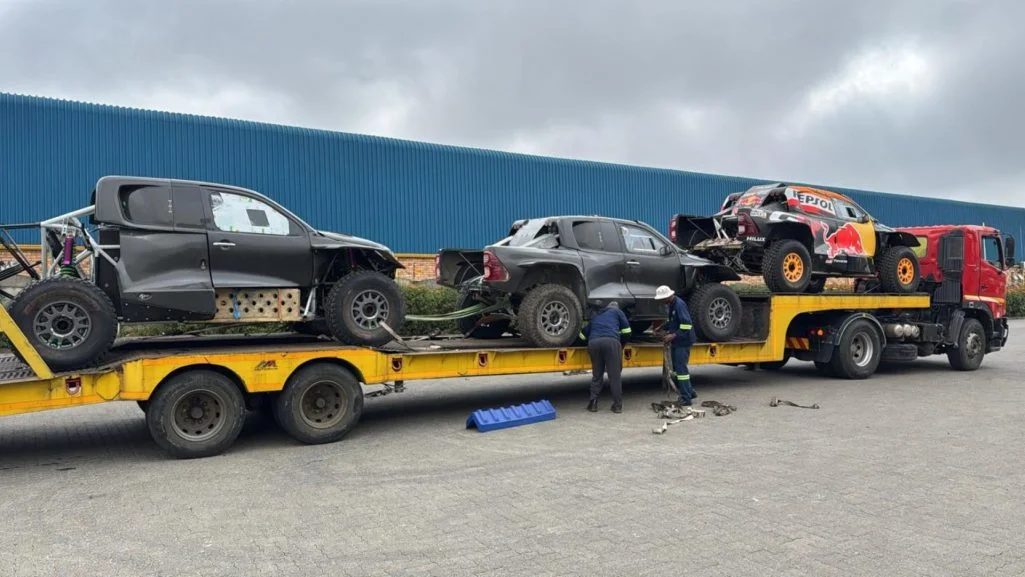
On the ground, Site Manager Kent Rutherford paints a picture of precision in motion. “Cargo has been arriving non-stop since last Thursday. Forklift operators, side loaders, team engineers – everyone’s working in sync to position equipment and containers. It’s all systems go.”
The scale is immense: dozens of international teams, hundreds of support crew members, vast swathes of terrain to be secured and marked, and a community of rally fans ready to witness history unfold.
Tyres, Water and the Cost of Speed
Behind the roar of engines lies a highly choreographed logistics ballet. Consider the tyres: each Ultimate car changes its tyres daily and carries two spares – at R18,000 a piece, that’s roughly R400,000 per vehicle for the week, excluding punctures. For a team like Dacia, fielding two cars, that figure nears R1 million — and that’s just rubber.
Then there’s the marathon stage logistics. Each team’s 120 pre-marked tyres must be transported 350km by two 8-tonne trucks from Sun City to the stage start. The use of these tyres is allowed, but with a 5-minute penalty – a strategic gamble that could change the course of the race.
Hydration, too, is critical. The bivouac consumes roughly 400 litres of water daily — or 800 bottles a day, not counting the 20 cases needed at refuel points, marshal posts, and stage ends.
“This isn’t just a race,” Rutherford adds. “It’s a mammoth logistical operation – and we’re almost ready.”
Final Checks and Road Book Sign-Off
The ASO Opening Crew, sent by global promoters Amaury Sport Organisation, is on-site this week conducting final route checks. Working with South African Safari Rally Route Director Evan Hutchison, they’ll sign off on the final Road Book, the navigational bible for all competitors.
“The route has been in planning for almost a year,” explains Rutherford. “The full recon and mapping were only finalised in March and April, and this week marks the last chance for any adjustments. It’s a meticulous process — but essential for fairness and safety.”
Rally-Raid for the People
Motorsport fans won’t just be onlookers — they’ll be part of the action. Spectator points are free and strategically located at each stage, offering fans the rare chance to witness world-class rally-raid machines thundering through African landscapes.
Whether you’re a seasoned rally fanatic or an adventure-seeker looking for your next thrill, the South African Safari Rally promises an unforgettable experience.
“Don’t miss this opportunity to see rally-raid history being made,” says Rutherford. “This is Africa. This is world-class motorsport. And it’s all happening right here.”


