



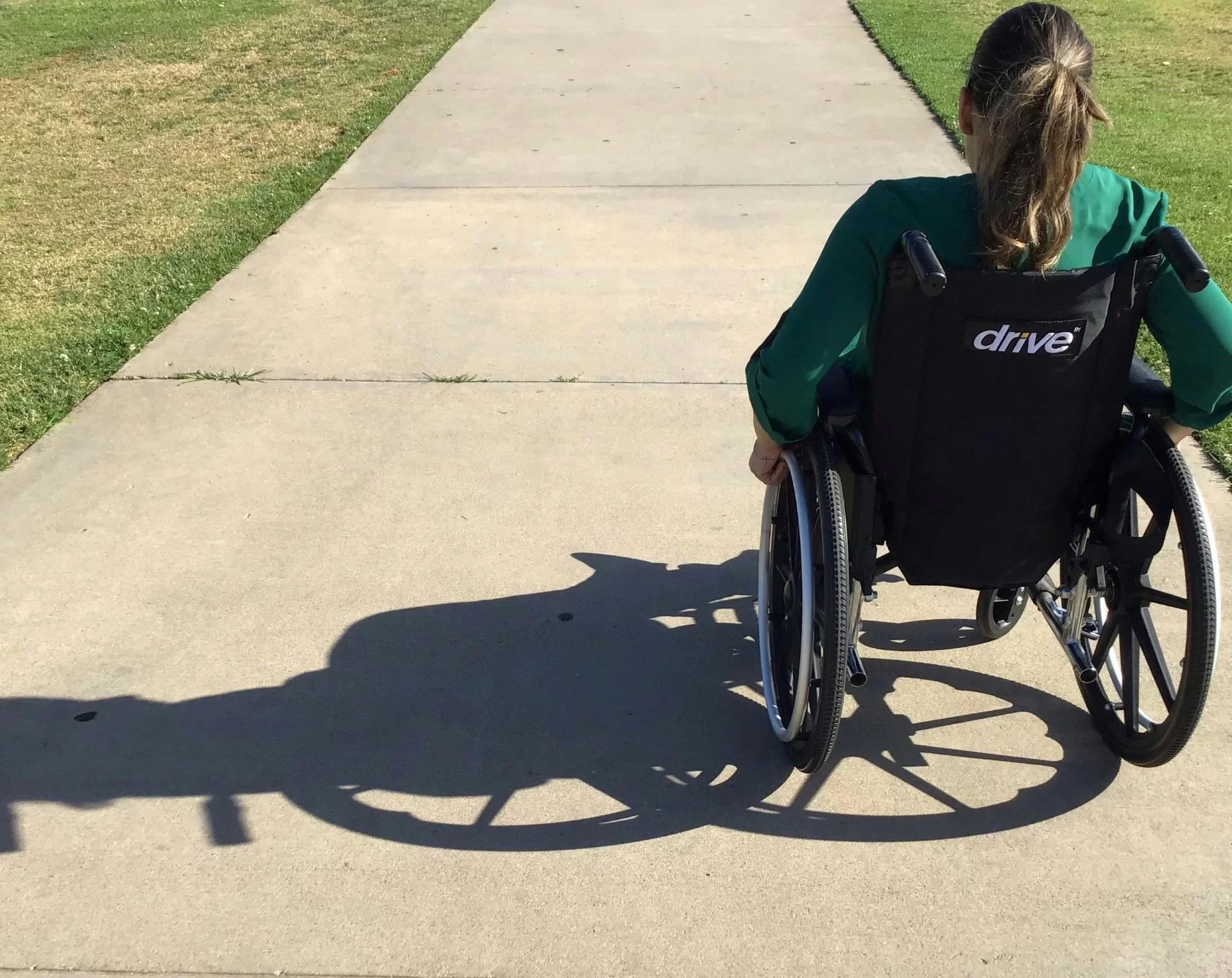
As South Africa enters a season of public holidays and road trip getaways, the importance of road safety becomes more than just a box to tick—it becomes a matter of life, death, and lifelong consequence. In the last few weeks, awareness days such as International Wheelchair Day and World Head Injury Awareness Day have brought critical attention to the realities faced by people living with disabilities, many of whom were affected by preventable road crashes.
Globally, it is estimated that spinal injuries occur in up to half of all car accidents. Closer to home, motor vehicle incidents—including those involving bicycles and pedestrians—are the leading cause of head injuries in South Africa, accounting for up to 50% of traumatic brain injuries. These are sobering statistics that demand a reassessment of how we think about safety behind the wheel.
The Silent Saviours: Headrests and Seatbelts
While modern cars boast an array of cutting-edge safety technology—from lane-keeping assistance to collision-avoidance systems—the most effective tools in preventing life-altering injuries remain the most basic: the headrest and the seatbelt.
“Yet the two most important safety features reducing brain and spinal injuries are found in every car,” says Eugene Herbert, CEO of MasterDrive. “These two vital features prevent excessive neck movement and ejection during a crash. Even with these statistics in mind, many drivers neglect to use headrests and seatbelts correctly or at all, exposing themselves to unnecessary risk—something one cannot afford to take ahead of the second busiest season on the road.”
The headrest, often underestimated, plays a crucial role in cushioning the head and neck during sudden jolts. In a rear-end collision, the violent back-and-forth motion of the head can cause severe whiplash or even spinal injury. “Some drivers remove their headrests or fail to adjust them properly, drastically reducing their effectiveness,” warns Herbert. “The top of the headrest should be aligned with the ears and positioned as close to the back of the head as possible.”
Seatbelts, meanwhile, do far more than keep passengers from flying forward. They’re a critical buffer against the internal trauma caused during a crash. “There are three impacts in a crash,” Herbert explains. “The first is the vehicle hitting an object, the second is the body hitting the interior of the car, and the third is internal organs colliding within the body. Seatbelts significantly reduce the severity of these latter two.”
When Prevention Fails, Compassion Must Prevail
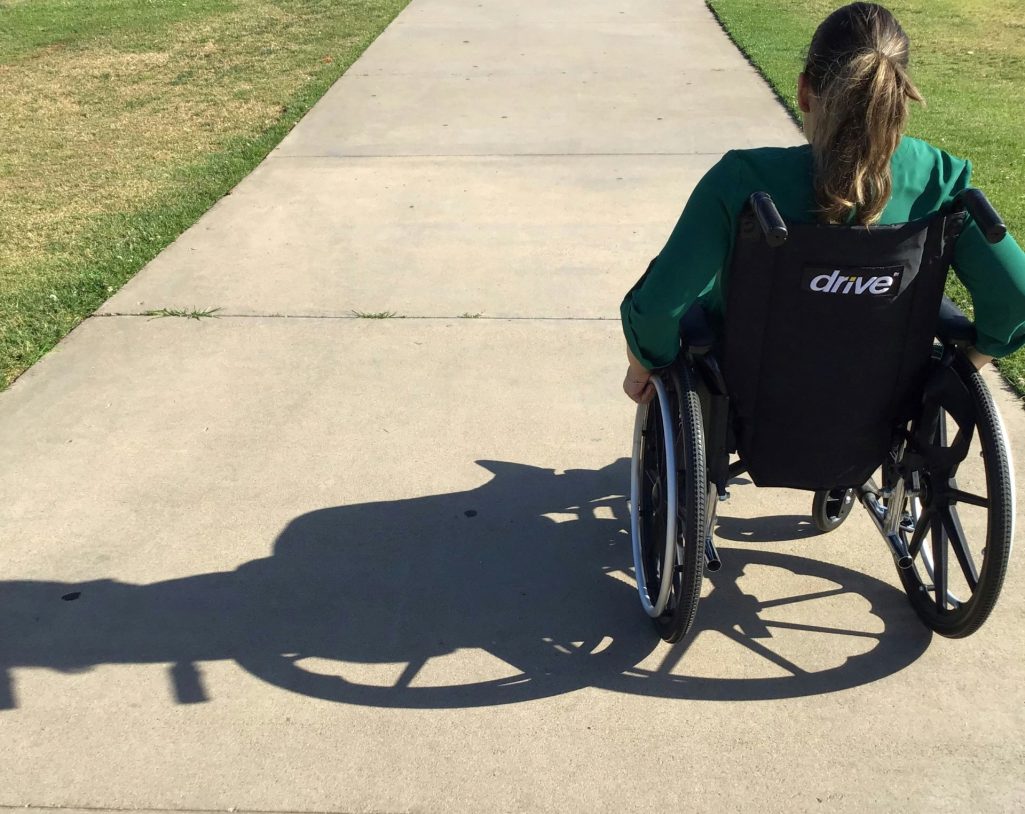
MasterDrive recently participated in the CEO Wheelchair Campaign hosted by Little Eden Society, an initiative designed to foster empathy and awareness by placing corporate leaders in the seats of wheelchair users—literally.
“It brings awareness to challenges wheelchair users face and illustrates the difficulties associated with using a wheelchair that one may not fully comprehend until it is too late,” says Herbert.
The experience is deeply humbling. Some of Little Eden’s residents are survivors of car crashes that left them with traumatic brain injuries or permanent loss of mobility. Their lives—once full of ambition, independence, and potential—were forever altered in an instant.
“While they are thriving at Little Eden, they still tragically lost their previous dreams, ambitions and mobility,” Herbert adds.
The Challenge: Create Safer Roads and Brighter Futures
As part of their commitment to road safety and disability awareness, MasterDrive is challenging corporations to join the movement and support the work being done by Little Eden Society. Participation can take many forms—from pledges and donations to taking part in awareness campaigns.
In doing so, companies can help pave the way for new dreams to be imagined and achieved—by those who need our support the most.
Because every journey deserves a safe return—and every life deserves the chance to thrive.


