



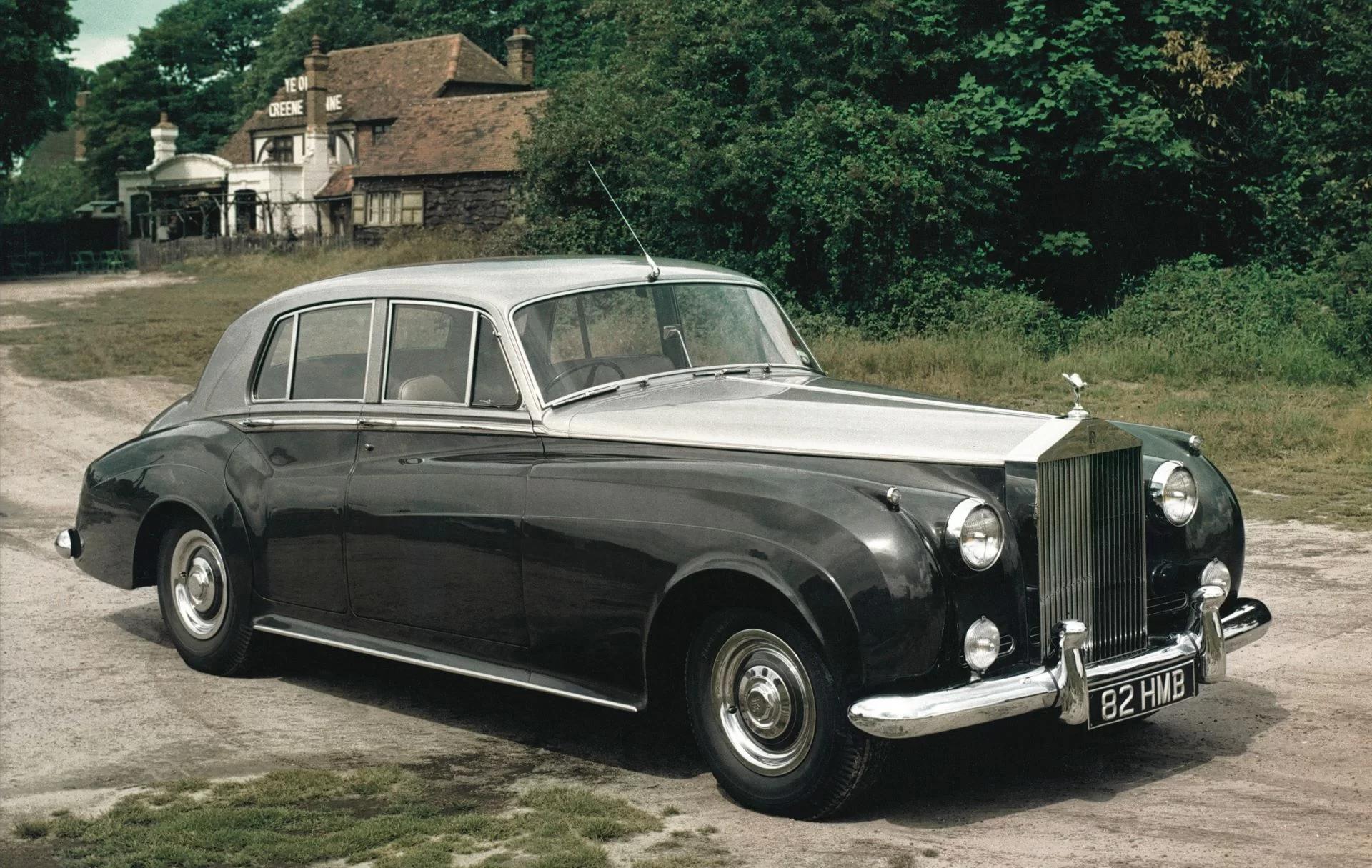
The year 1955 marked a significant chapter in the annals of luxury automotive design with the introduction of the Rolls-Royce Silver Cloud. At a time when the automotive industry was evolving rapidly, the Silver Cloud emerged as a transformative model, ushering in a new era for Rolls-Royce. This year-long retrospective, commemorating the 120th anniversary of the historic meeting between Henry Royce and The Hon. Charles Stewart Rolls in 1904, celebrates the Silver Cloud as the sixth landmark model in the marque’s illustrious history.
Andrew Ball, Head of Corporate Relations & Heritage at Rolls-Royce Motor Cars, eloquently describes the Silver Cloud as “one of the most transformative and iconic motor cars” in the company’s history. Indeed, its release signified a turning point—melding traditional British craftsmanship with modern styling and engineering innovations. The Silver Cloud, however, holds a bittersweet distinction: it was the final Rolls-Royce to be offered both as a complete motor car and as a separate rolling chassis, allowing bespoke coachbuilders to work their magic one last time.
A New Vision in Design
The Silver Cloud owes its existence to the brilliant minds behind its creation, notably Ivan Evernden, who led the Rolls-Royce Styling Department, and John Blatchley, the marque’s first Chief Styling Engineer. Blatchley, a seasoned designer who joined Rolls-Royce in 1940 after working for renowned London coachbuilder Gurney Nutting, brought an artistic sensibility honed during the war years. His time designing cowling for the Merlin engines used in Spitfire and Hurricane aircraft laid the groundwork for his future success in the world of automotive design.
Despite the interruption of World War II, Rolls-Royce quietly continued work on what would become the Silver Cloud, even as the marque focused on aero engines during the conflict. Following the success of the Silver Dawn in 1949, the team was already envisioning a model that would capture the elegance of the past while embracing the ‘New Look’ of post-war design. Blatchley, appointed Chief Styling Engineer in 1951, crafted the first quarter-scale model—codenamed ‘Siam’—which later evolved through seven prototypes into the full-scale Silver Cloud.
Engineering and Craftsmanship
The Silver Cloud was an aesthetic and technical triumph. Blatchley’s full-width body design allowed for a spacious cabin, enhancing the comfort and grandeur for which Rolls-Royce is known. The car’s wheelbase was lengthened by three inches (7.6 cm) and later by an additional four inches (10.2 cm) in the 1957 extended wheelbase version. Under the hood, a robust straight 6-cylinder engine, expanded to 4.9 litres, powered the Silver Cloud’s refined drive.
This model also marked several firsts for Rolls-Royce. It was the first to come standard with an automatic gearbox, and in 1956, power steering became an option, further enhancing the driving experience. Perhaps most significant was the innovation in chassis design—under Evernden and Blatchley’s guidance, the Silver Cloud featured a welded box-section chassis, which improved torsional rigidity by an impressive 46%.
One of the car’s enduring legacies was its role as the last Rolls-Royce offered as a rolling chassis, providing customers the option of commissioning bespoke bodywork from distinguished coachbuilders. This tradition, which allowed for unmatched personalization, was a nod to the golden age of coachbuilding that was soon to be eclipsed by the rising demand for complete, factory-built automobiles.
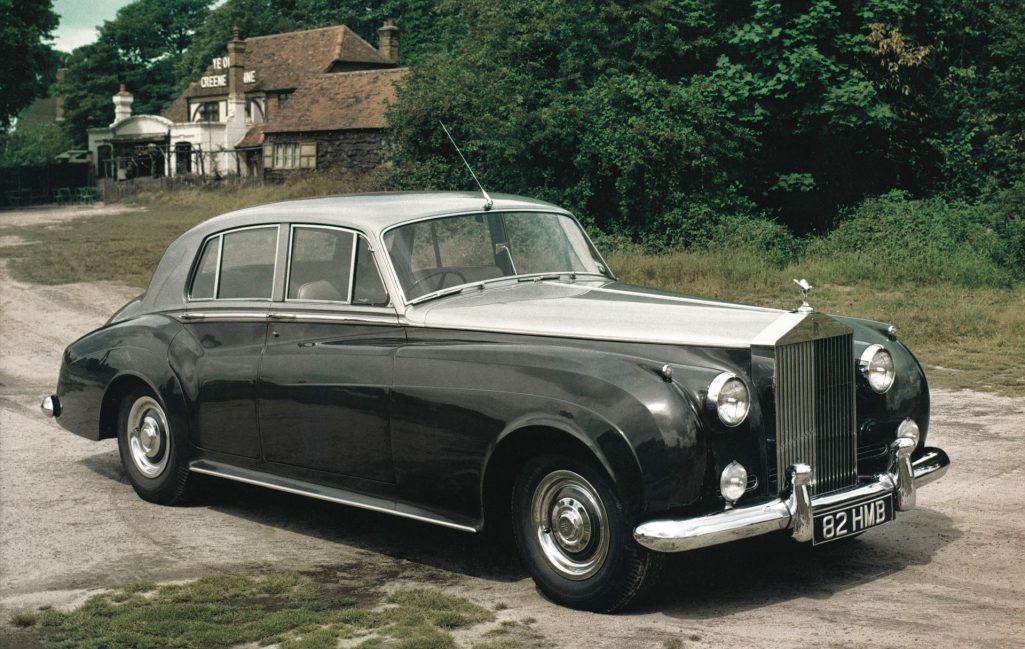
The Silver Cloud Evolves
The Silver Cloud’s success was such that it saw two subsequent iterations. The Silver Cloud II, launched in 1959, boasted a formidable 6.2-litre V8 engine, housed in the engine bay that had been purposefully designed for this upgrade. The V8 increased power output by 20%, making the Silver Cloud II not just luxurious but powerful.
In 1962, the Silver Cloud III arrived, showcasing a notable aesthetic update. The bonnet was lowered, resulting in a sleeker profile, and dual headlamps replaced the earlier single units, embodying one of the era’s most important safety innovations—flashing turn indicators. The Silver Cloud III was the epitome of post-war refinement, balancing modernity with traditional luxury.
A Lasting Legacy
By 1965, the Silver Cloud gave way to the Silver Shadow, but its legacy continued. A beautiful coachbuilt example of the Silver Cloud III featured prominently at the world-famous Goodwood Revival earlier this year, serving as a testament to its timeless appeal.
John Blatchley’s influence on Rolls-Royce design extended far beyond his tenure. In the early 2000s, when the marque was planning its relaunch at the new Home of Rolls-Royce in Goodwood, Blatchley was consulted on the design of Phantom VII. The concept he approved went on to become the iconic face of Rolls-Royce for the modern era, a fitting final chapter for one of the most influential figures in luxury automotive history.
The Rolls-Royce Silver Cloud remains a beloved symbol of a bygone era, a testament to the marque’s unwavering commitment to craftsmanship, elegance, and engineering excellence. Its enduring legacy continues to inspire the designers and engineers at Rolls-Royce Motor Cars today, as they blend tradition with innovation in pursuit of automotive perfection.


